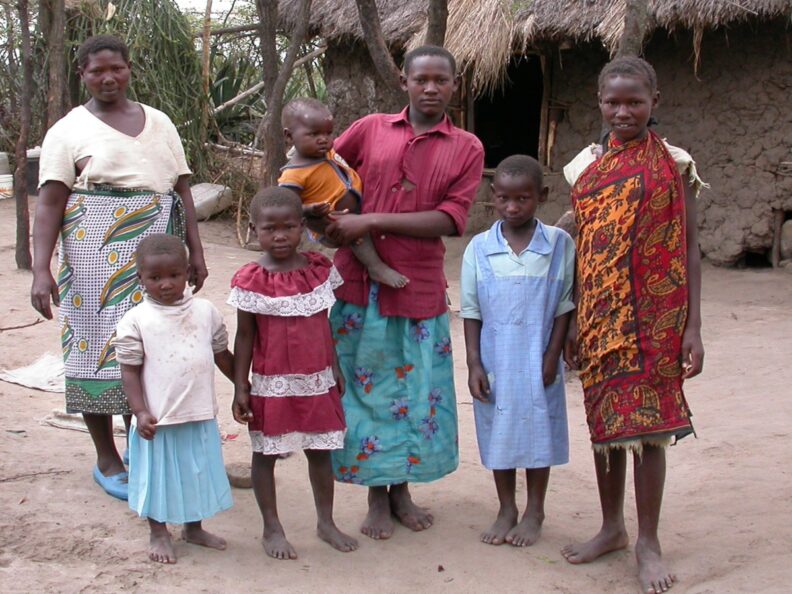
A mother’s impossible choice conveys the urgent need for comprehensive rabies prevention strategies
When Mwisey Nchana’s puppy began behaving aggressively in rural Tanzania, she never expected it would put all four of her children’s lives at risk. After the puppy bit each of her children and died, the veterinary laboratory confirmed rabies—a disease that kills nearly 100% of those who develop symptoms.
Post-exposure prophylaxis (PEP) can prevent rabies if administered quickly, but at more than $100 for a full course—several months’ wages for Nchana’s family—she could afford only one complete treatment. She faced an unthinkable choice: give one child full protection or divide the doses among all four children, hoping a single dose would suffice but leaving each at risk.
Nchana decided to give each child a single dose. All four survived, but no parent should face such a devastating dilemma.
Nchana’s experience is tragically common in rabies-endemic regions, where the disease claims around 59,000 lives annually. Since dogs are responsible for 99% of human rabies cases worldwide, vaccinating dog populations offers the most effective solution. By breaking the transmission cycle in animals, these programs can dramatically reduce the risk of human exposure.
Dr. Guy Palmer, Executive Director of Washington State University’s Rabies Free Africa (RFA) program, explains, “The mission of Rabies Free Africa is to eliminate human deaths due to rabies across the continent. Mass dog vaccination and ensuring access to PEP work in concert, as achieving the former reduces the need for the latter.”
Beyond saving human lives, Rabies Free Africa also protects dogs and, in doing so, strengthens the human-animal bond by reducing fear of rabies and rabies transmission from dog bites. The approach recognizes that families still need access to PEP for bites from unvaccinated dogs or other species like bats or, as occurs in East Africa, rabid hyenas.
Countries implementing mass dog vaccination programs become eligible for investment from GAVI, the Vaccine Alliance. In 2023, GAVI approved subsidized human vaccines for PEP, but with an important requirement: countries must implement sustainable canine vaccination programs to make PEP provision sustainable long-term.
Dr. Palmer notes, “Our work at Rabies Free Africa has never been more critical. Achieving our canine vaccination goals will increase the availability of PEP, making life-saving treatment accessible to all who need it.”
For families like Nchana’s, this means that they no longer need to make the unbearable decision of rationing life-saving vaccines among their children. Through coordinated vaccination efforts and philanthropic investments, a future where no parent must choose which child receives treatment is not just possible—it’s within reach.