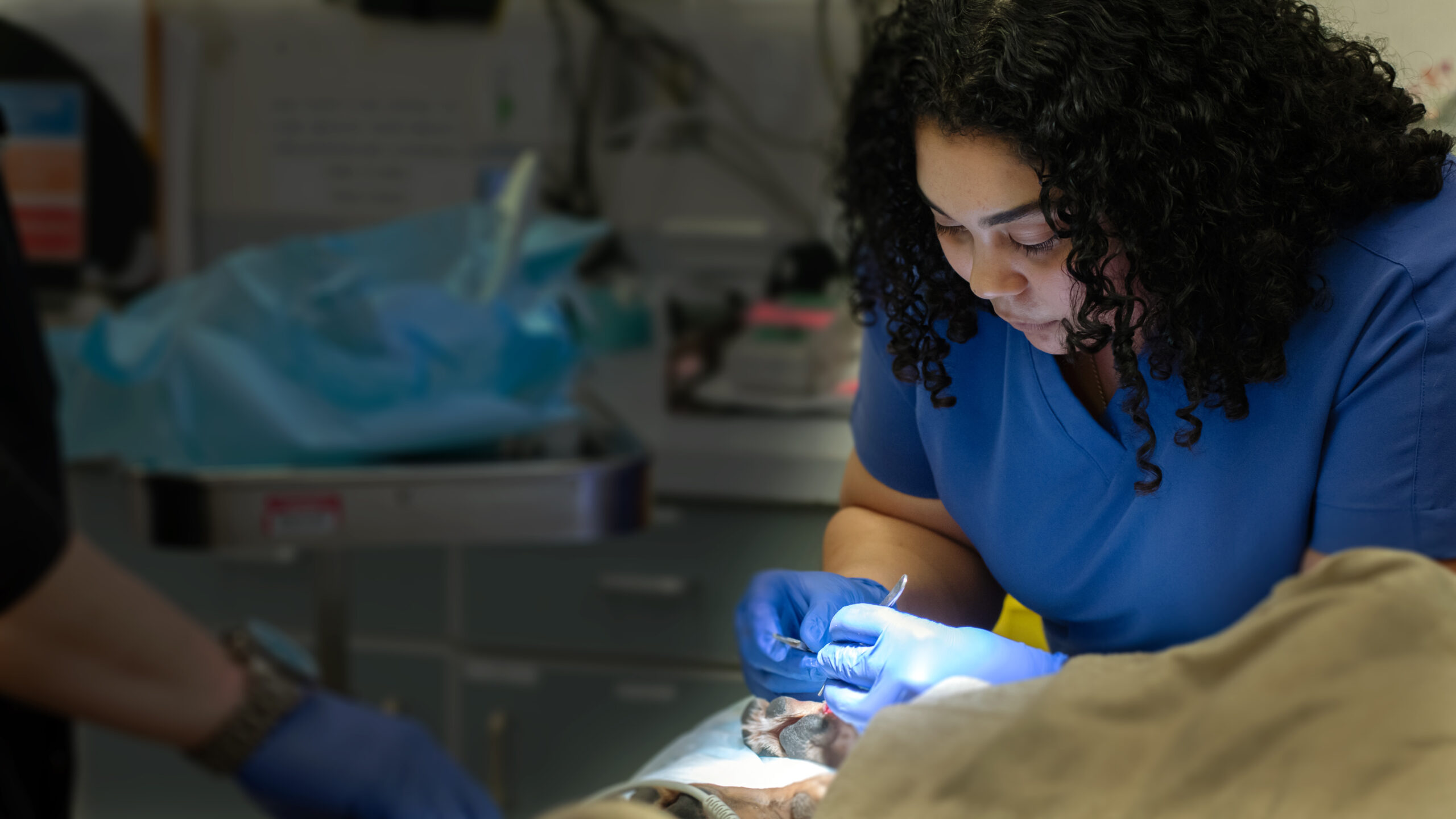
Discover Our Program
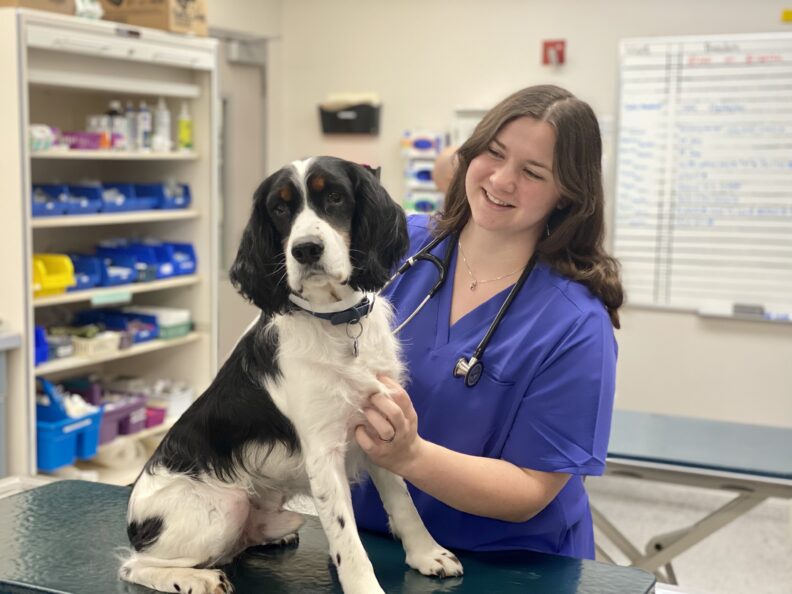
Curriculum
Our students receive exceptional cased-based and hands-on training with renowned faculty and an unmatched network of academic support.
Highlights
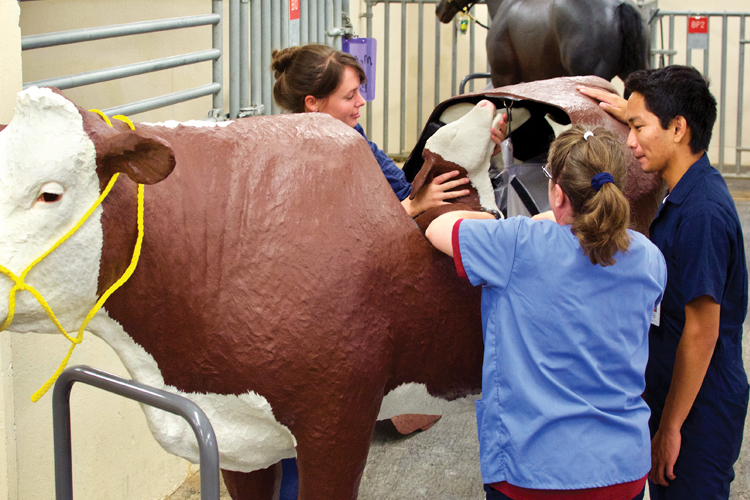
Simulation-based education
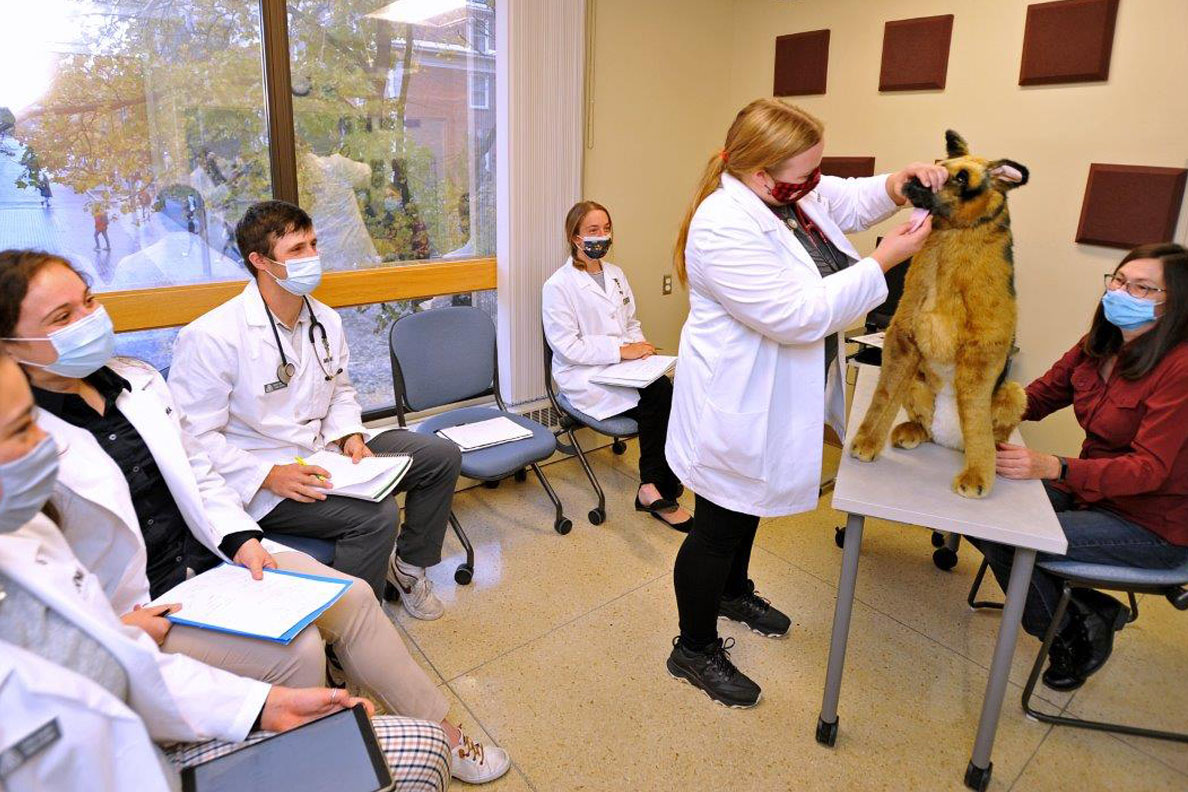
Diagnostic Challenge
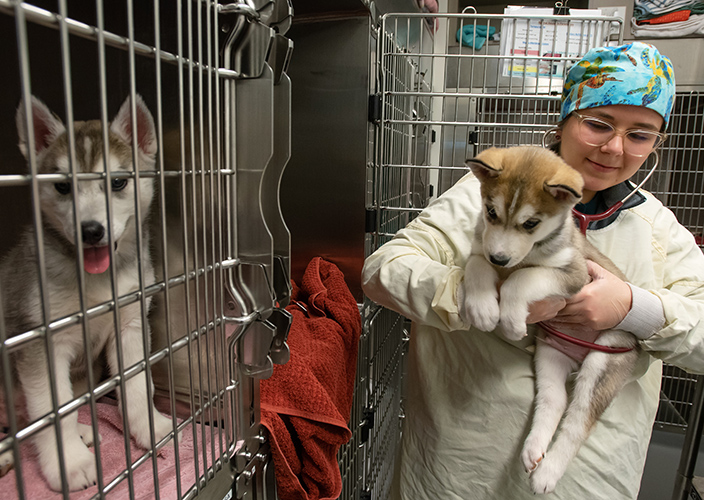
Shelter medicine
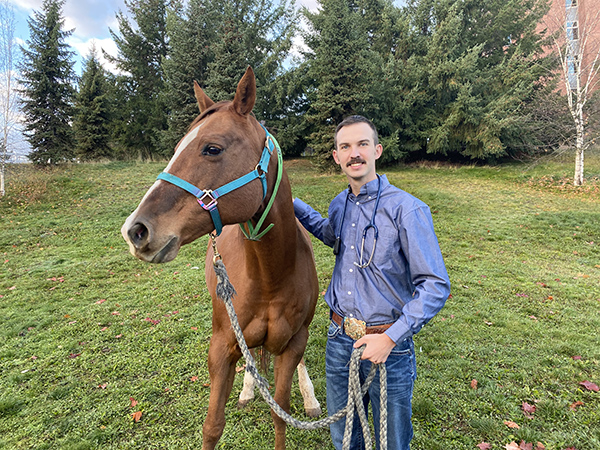
Clinical training
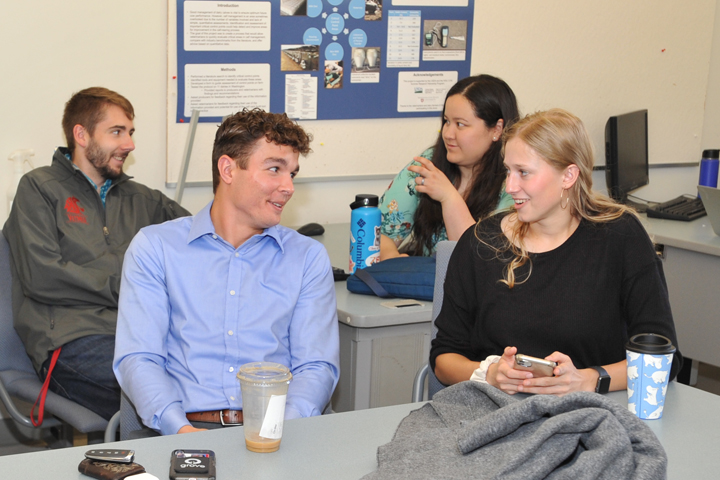
Veterinary Summer Research Fellowship
A mentored summer research project experience for first- or second-year veterinary students
Externships
A 6-week summer experience on a dairy farm or local food animal veterinary practice for first- and second-year veterinary students. The program provides hands-on experience to prepare veterinary students for a career working with livestock.
If you are a current student, see more information on our internal website.
Aquaculture medicine remains an underserved and largely-unknown specialty within the scope of veterinary practice. Only a small number of veterinary schools incorporate fish health classes into their core curriculums and fewer still offer insight into herd health management of aquatic species for production (human consumption) and/or mitigation (wildlife supplementation) purposes. This program was created in the hopes of exposing veterinary students, those who have a proven and focused interest in the field, to a variety of salmon and trout hatcheries, natural resource agencies, aquatic health professionals, and fish diagnostic laboratories within the Pacific Northwest.
A 2-week rotation focusing on infectious disease and infectious disease diagnosis in the Veterinary Microbiology and Pathology department and the Washington Animal Disease Diagnostic Laboratory (WADDL). Veterinary students will gain experience within the field of diagnostic medicine with an emphasis on bacteriology, mycology, virology, serology, parasitology, and molecular techniques.
Contact: Claire Burbick, DVM, PhD, DACVM
During a 2- to 4-week externship, veterinary students are introduced to the combined anatomic pathology residency/graduate training program offered within the Washington Animal Disease Diagnostic Laboratory (WADDL) and the Veterinary Microbiology and Pathology department.
Contact: Andrea Lively
Tuition and financial resources
We know financial planning is important. Learn about available financial resources and estimated annual costs of attendance.
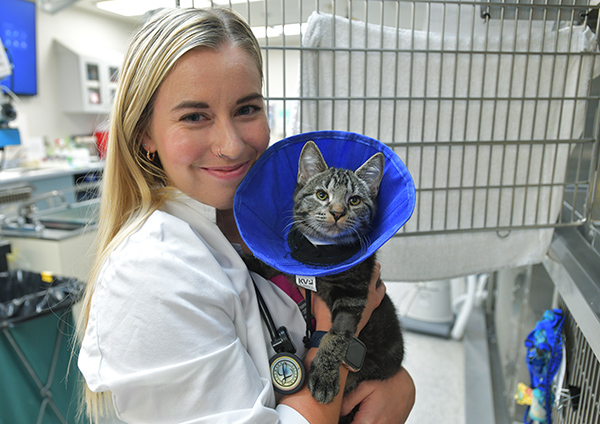
WSU has prepared me to be a well-rounded, evidenced-based, empathetic veterinarian. We have outstanding faculty and staff that are dedicated to providing an excellent education and are passionate about teaching. I’ve been exposed to an abundance of opportunities through the relationships I’ve made in the tight-knit WSU community.
Janelle Thomas (‘24 DVM)
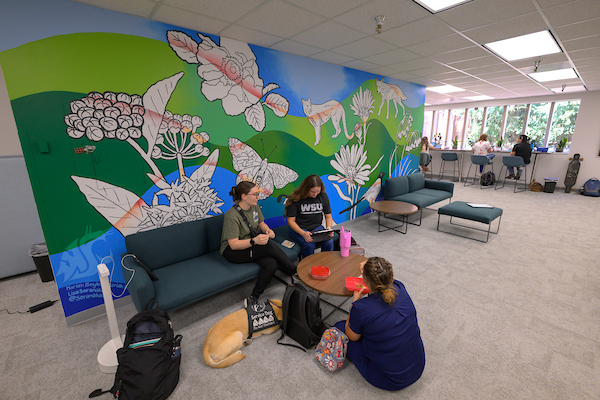
Student Life
Discover new interests. Find your community.
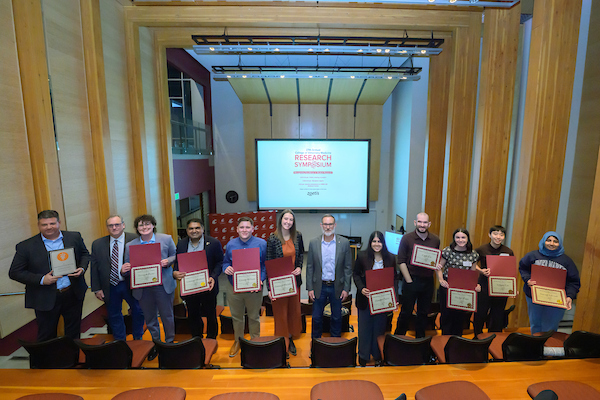
College Research Symposium
The annual event showcases research by our undergraduate, graduate, and professional veterinary medical students, postdoctoral researchers, and veterinary residents and interns. During the symposium the college also recognizes excellence in research with a keynote address by the Zoetis Award for Veterinary Research Excellence faculty recipient.
My time at WSU has allowed me to cultivate a network of friends and colleagues that have helped me grow as a person and as a soon-to-be veterinarian. They have pushed me and gave me the knowledge to make educated decisions when dealing with patients and the people that love them enough to bring them to my clinic so that I can effectively advise and treat them.
Britt Dixon (’24 DVM)

Tours & visits
Pullman is located in the Palouse region of the Inland Northwest, homelands of the Nimíipuu (Nez Perce) Tribe and Palus people. The Palouse has one of the most beautiful and unique landscapes in the world. Rolling hills and wide-open skies give the region its distinctive appeal. Residents enjoy outdoor activities and the benefits of small town living with the cultural richness of bigger city life.
Accreditation – The AVMA Council on Education® (AVMA COE®) accredits DVM or equivalent educational programs. The AVMA COE® assures minimum standards in veterinary medical education are met by all AVMA-accredited colleges of veterinary medicine, and that students enrolled in those colleges receive an education that will prepare them for entry-level positions in the profession. The WSU College of Veterinary Medicine underwent an accreditation review in 2024 and has a current status of “accredited.” The AVMA COE’s next site visit to the college will occur in 2031.
Notice of Nondiscrimination – WSU does not discriminate and prohibits discrimination on the basis of sex, race, color, national origin, disability, age, religion, creed, genetic information, marital status, protected veteran/military status, or immigration or citizenship status in any education program or activity that it operates complaint with Title IX and other civil rights laws and regulations. Inquiries regarding Title IX, ADA, or other civil rights laws, as well as reports of discrimination can be directed to the Compliance and Civil Rights, WSU ADA Coordinator, or WSU Title IX Coordinator. More information on WSU’s policies and procedures to respond to discrimination and harassment are available here: Nondiscrimination statement.