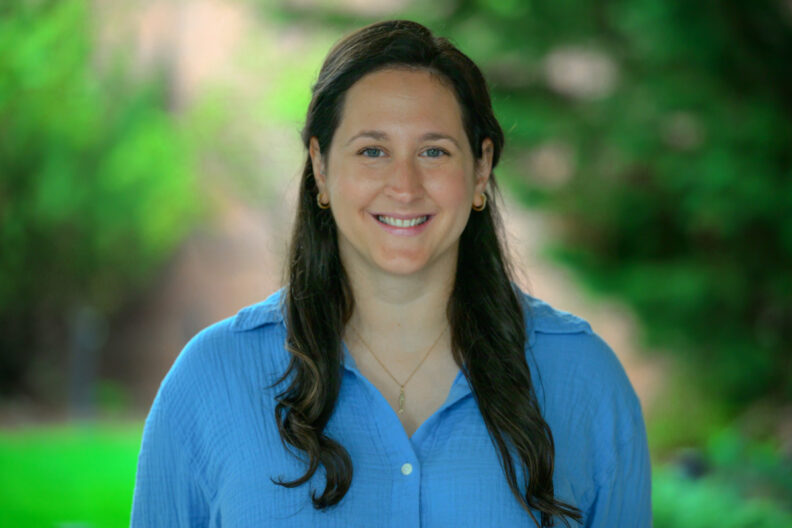
Dr. Rachel Rivenburg, a new clinical lecturer joining our Small Animal Surgery team, is quite familiar with WSU. After graduating from WSU with her Doctor of Veterinary Medicine in 2018, Dr. Rivenburg completed small animal rotating and surgical internships at WestVet Boise, a surgical oncology internship at the University of Florida, a combined small animal surgery residency and master’s degree at the University of Illinois, and a surgical oncology fellowship at the University of Florida. She’s excited to return to Pullman and be part of WSU’s collaborative small animal surgery team.
What drew you to WSU’s College of Veterinary Medicine?
As a veterinary student here at WSU I found the Small Animal Surgery service to be extremely positive and supportive, and Dr. Tina Owen took me under her wing to mentor me with my surgical journey and first journal publication. When looking for a job after fellowship, I wanted to be part of a positive and collaborative team.
What is your area of expertise?
After my small animal surgery residency, I completed a surgical oncology fellowship, which is a year of training seeing exclusively patients with cancer. Surgical oncology is a passion of mine – I find it very rewarding to help give families options when they are going through a very difficult time. It also challenges me to think outside the box in many cases in terms of surgical planning, as rarely are any tumors exactly the same.
What drew you into this area?
I was drawn to surgery because of the instant gratification of fixing, or at least improving, a problem. Surgery is a tool that we use to remove a tumor causing pain, to correct a congenital abnormality, or repair a bone fracture, with (generally) immediate to short-term positive results. As a veterinary student at WSU, I worked in the ICU and was inspired by what I saw the surgeons and residents do for their patients as I helped care for them post-operatively.
What about your research work are you most proud of?
While my primary interest is not orthopedics, I am finishing up a project from my residency on complications following orthopedic surgery in police dogs. I am proud of this because it will give handlers more information when making decisions regarding their partners, and also what they might be able to expect for recovery and return to work.
What’s something most people don’t know about you?
I told my mom when I was 2 years old that I wanted to be a “horse doctor” when I grew up, and then as a first-year veterinary student I thought I wanted to specialize in emergency and critical care. It wasn’t until I got through my first spay in third year that I became set on small animal surgery.