Undergraduate Degree Programs
Whether you go on to graduate school or start a career, our undergraduate degree programs prepare you to be a leader in human and animal science, health, and medicine.
Degree programs
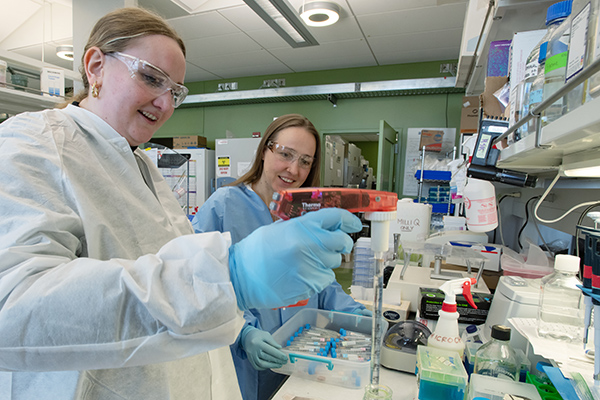
Biochemistry
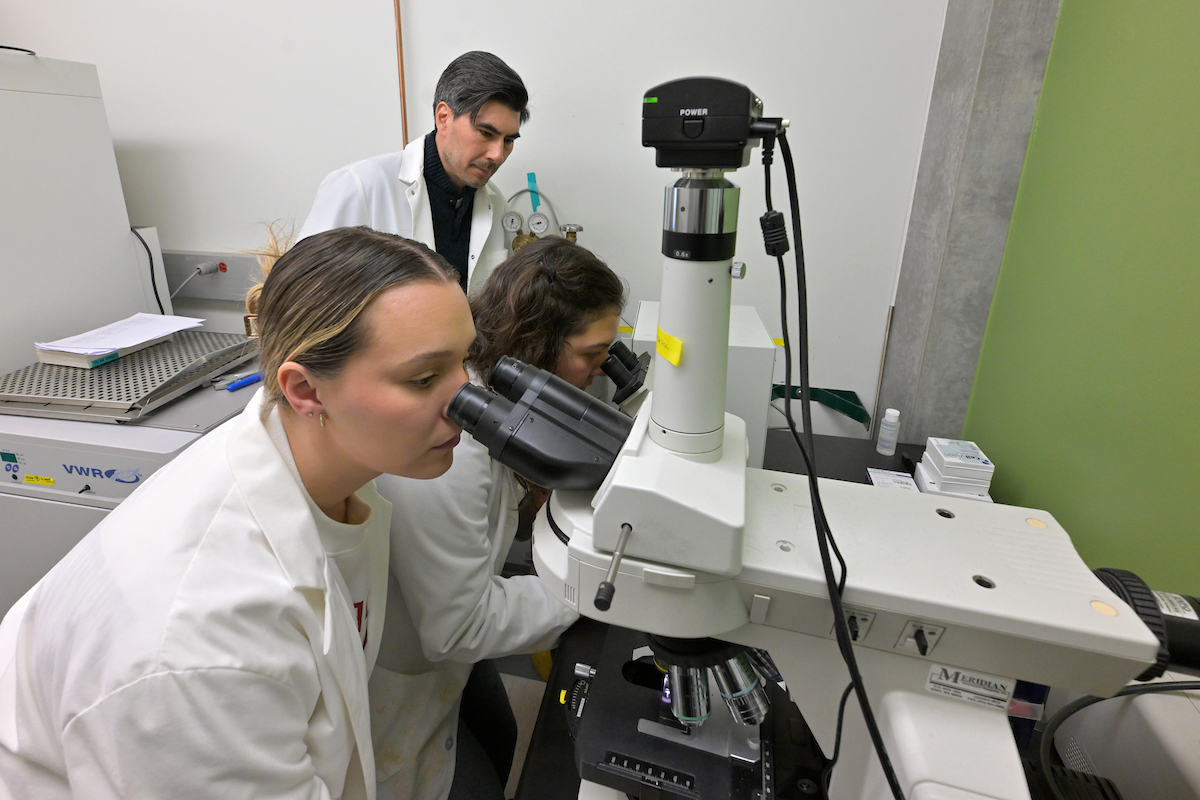
Genetics and Cell Biology
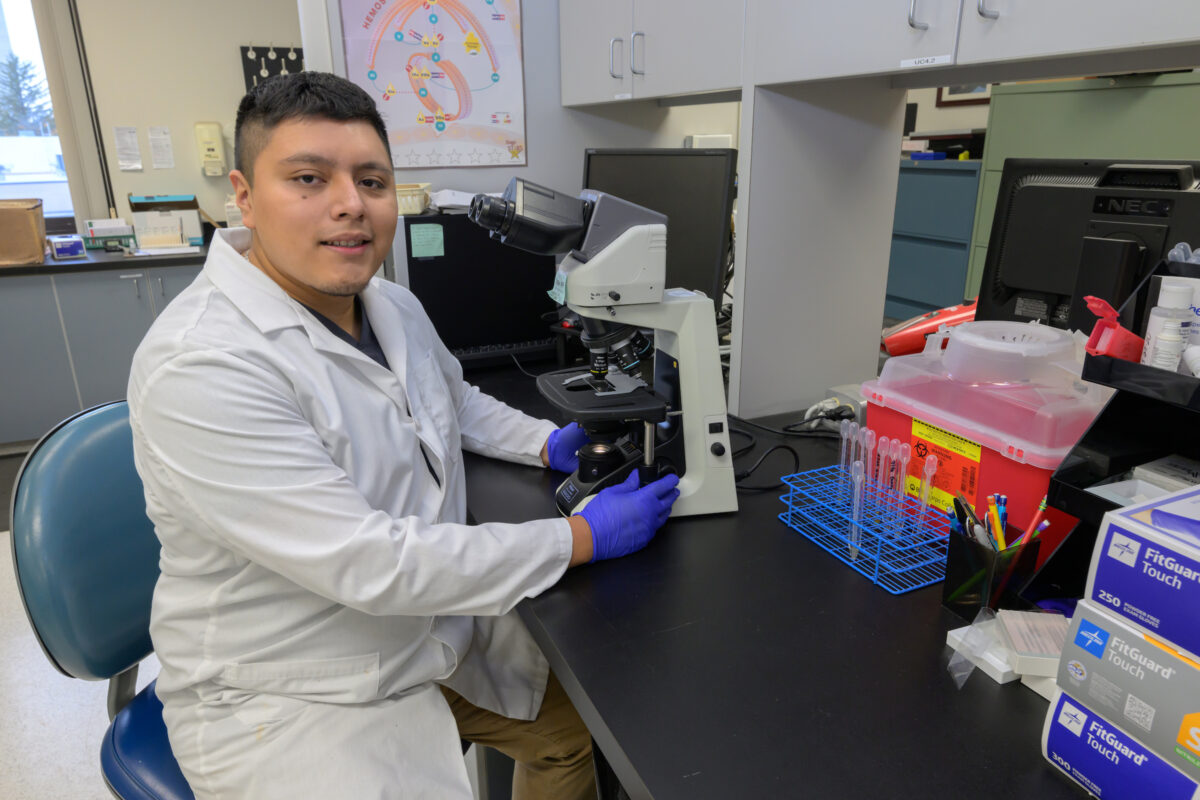
Microbiology
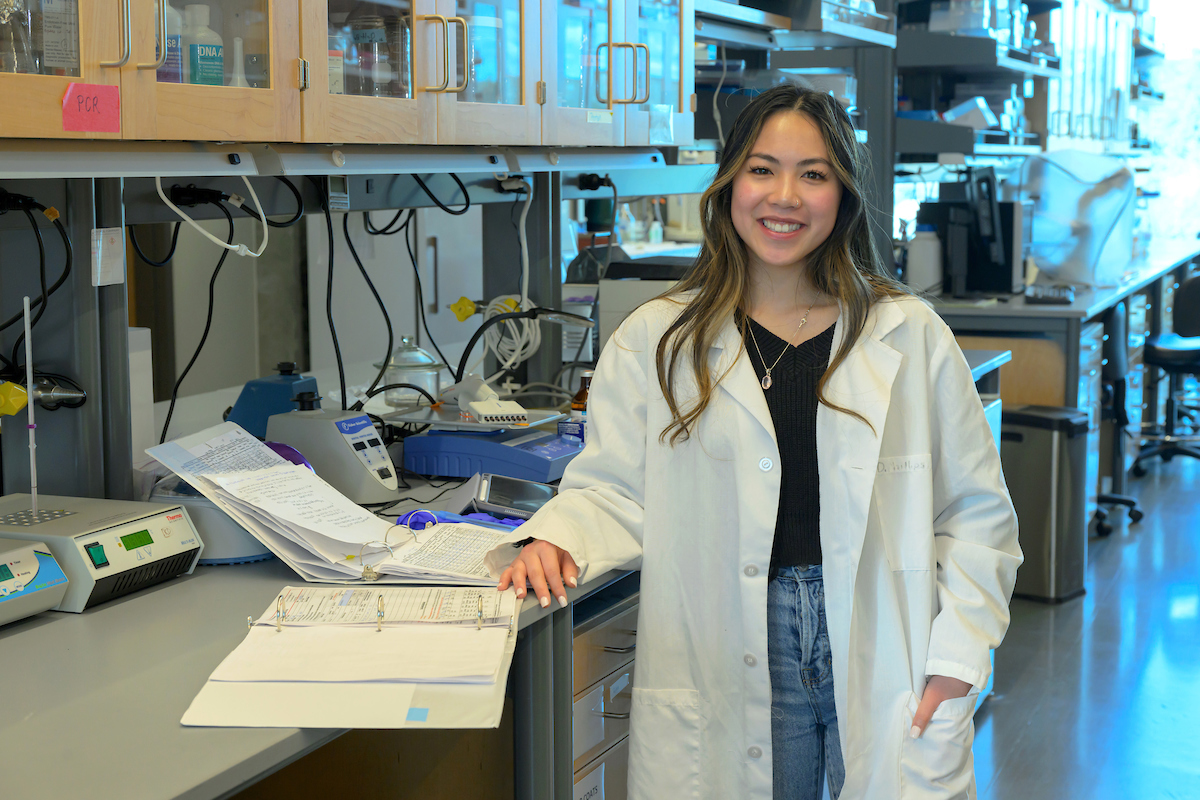
Neuroscience
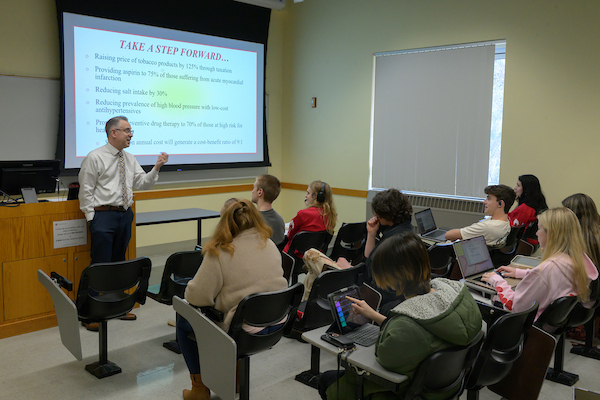
Public Health
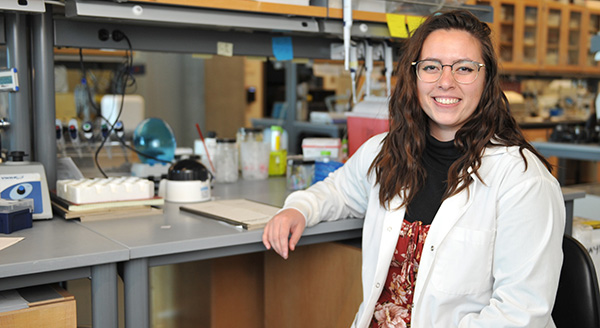
STARS Accelerated Degree Program
Research opportunities for undergraduate students
Start research early
Undergraduate students can begin working in research labs as early as their first year. Whether you’re studying microbiology, neuroscience, public health, biochemistry, or genetics and cell biology, you’ll gain hands-on experience alongside leading faculty.
Join a community of researchers
- Programs like the EschLEAD undergraduate research program support students across STEM, social sciences, and the humanities.
- Majors in biochemistry, genetics and cell biology, microbiology, and neuroscience can apply to become WSU Research Scholars.
- High-achieving undergraduates who are passionate about biomedical research can apply to the STARS Accelerated Degree Program.
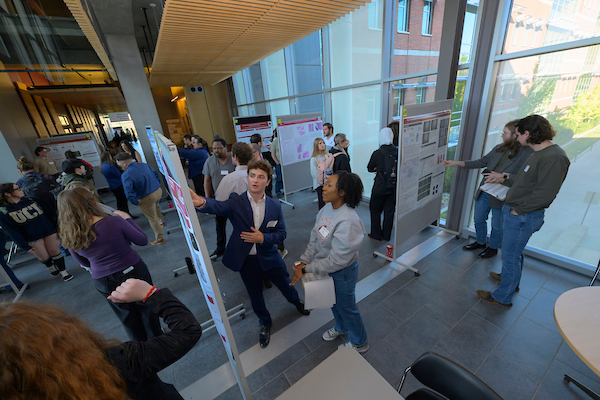
WSU undergraduates regularly present their work at campus events like WSU’s Showcase for Undergraduate Research and the College’s Research Symposium, as well as at national conferences—making them strong candidates for prestigious awards like the Barry Goldwater Scholarship.
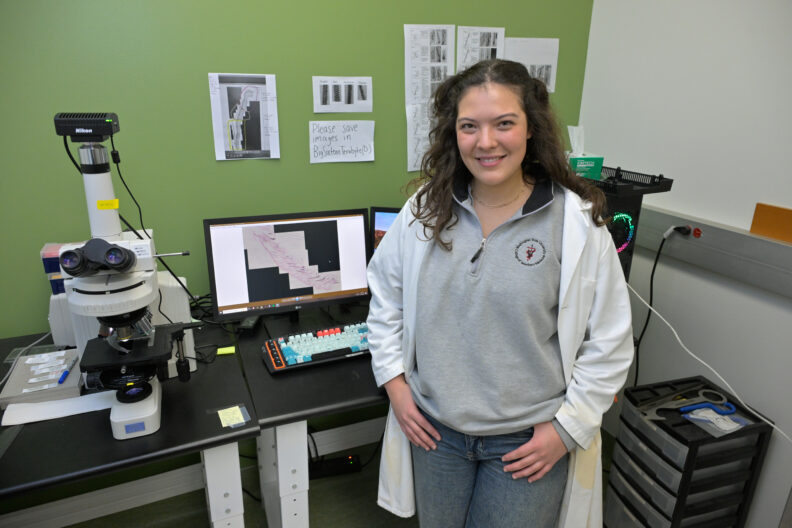
I went from being an undecided major to pursuing genetics and cell biology, with the goal of someday earning a PhD. Not only has research grown my academic confidence and motivation, but it has also given me a home at WSU. I look forward to going to the lab every day, where I feel challenged and excited.
Gigi Searle, genetics and cell biology student
Build Skills for a Competitive Career in Science
Undergraduate students gain practical experience in original research, commercialization, and industry collaboration. These immersive opportunities help students develop in-demand skills in lab technology, data analysis, and scientific communication—bridging the gap between academic learning and professional application.
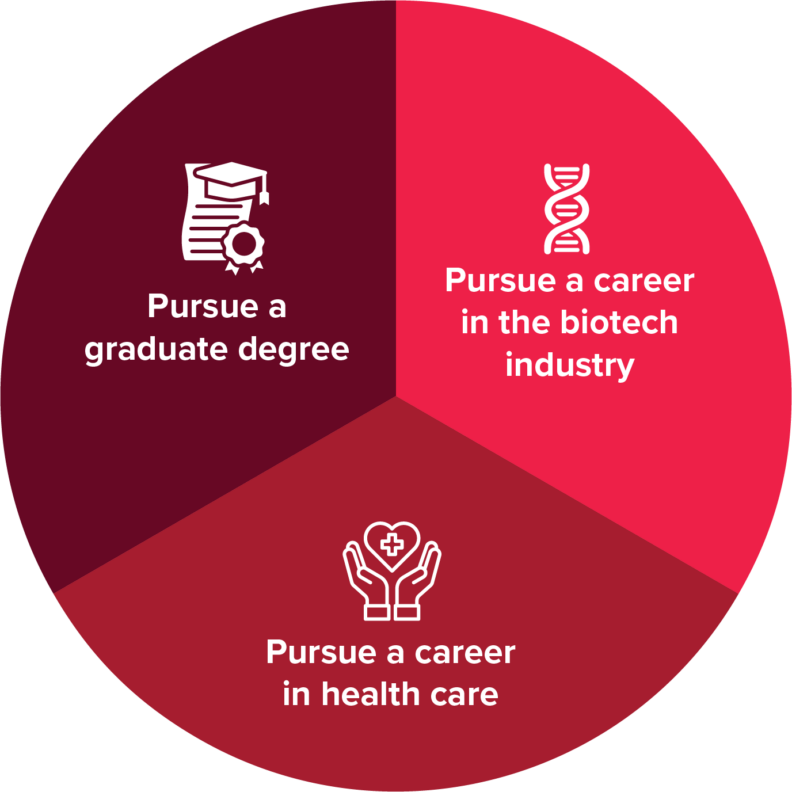
After graduation
1 out of 3 undergraduate students pursue a graduate degree
1 out of 3 undergraduate students pursue careers in the biotech industry
1 out of 3 undergraduate students pursue careers in healthcare
Our majors prepare you for:
- Pharmaceutical, agricultural, food, and biotechnology industries
- Private or governmental laboratories
- Basic and applied research
- Graduate School
- Higher education
- Nonprofit institutions
- Researching neurological diseases such as Alzheimer’s, Parkinson’s, and multiple sclerosis
- Patent law
- Scientific or pharmaceutical sales
- Technical writing
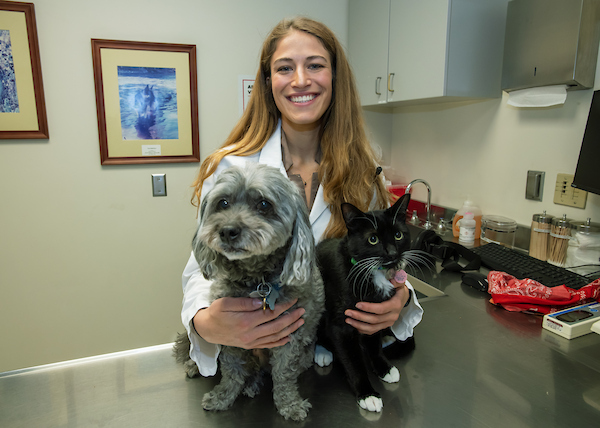
Interested in a career in veterinary medicine?
Apply for an internship at the WSU Veterinary Teaching Hospital.
Study abroad opportunities for undergraduate students
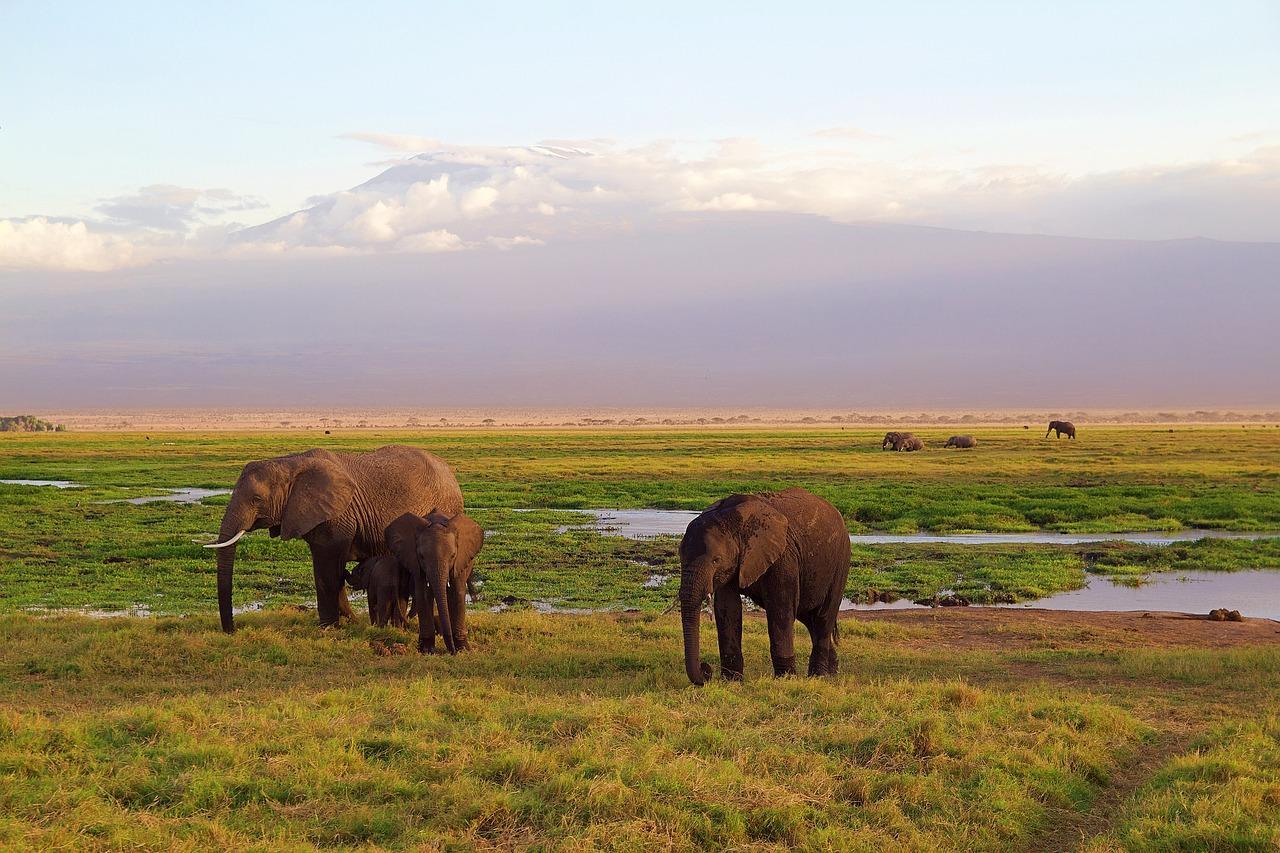
WSU’s Research Immersion in Nairobi

WSU’S Art & the Brain
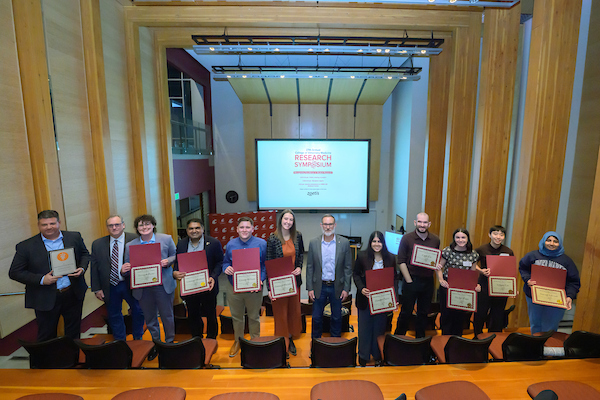
College Research Symposium
The annual event showcases research by our undergraduate, graduate, and professional veterinary medical students, postdoctoral researchers, and veterinary residents and interns. During the symposium the college also recognizes excellence in research with a keynote address by the Zoetis Award for Veterinary Research Excellence faculty recipient.

Become a college promoter
Biochemistry, genetics and cell biology, microbiology, neuroscience, and public health undergraduates who are accepted into the College Promoter program are awarded a scholarship and represent the college at events.
Tuition and financial resources
We know financial planning is important. Learn about estimated annual cost of attendance for resident and nonresident students, and available financial aid and scholarships.
If you’re a current undergraduate student, log in to the college’s internal web to see additional available college scholarships and financial resources.
Undergraduate stories




Tours & visits
Pullman is located in the Palouse region of the Inland Northwest, homelands of the Nimíipuu (Nez Perce) Tribe and Palus people. The Palouse has one of the most beautiful and unique landscapes in the world. Rolling hills and wide-open skies give the region its distinctive appeal. Residents enjoy outdoor activities and the benefits of small town living with the cultural richness of bigger city life.