PhD in Biomedical Sciences – Multidisciplinary Program in Infectious Disease
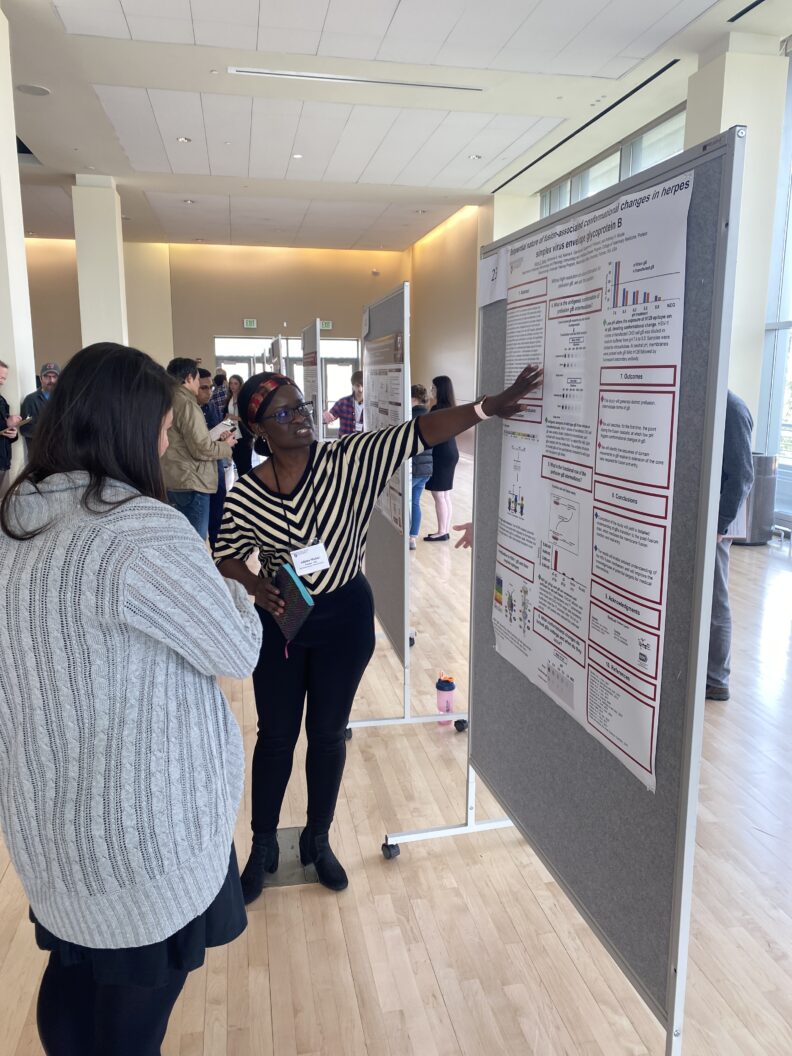
National Institutes of Health (NIH) Protein Biotechnology Training Program
Open to WSU doctoral graduate students, the program promotes research careers by helping trainees attain essential experiences, skills, and knowledge, particularly in collaborative transdisciplinary protein research and biotechnology commercialization.
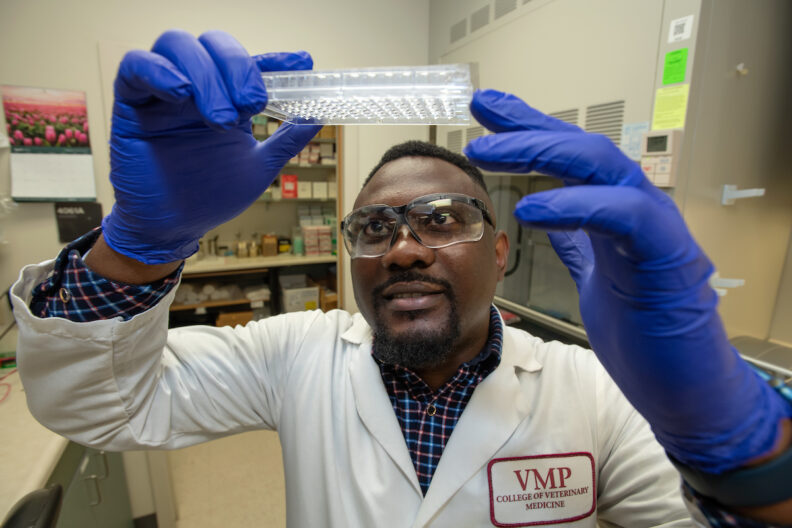
WSU is truly home to thoroughbred scientists who are leaders in infectious disease research, as evidenced by the quality of scientific publications and innovations coming out from many labs here,” Specifically, the Department of Veterinary Microbiology and Pathology and the Paul G. Allen School for Global Health here at WSU are both household names when you talk about infectious disease research in the U.S. and globally.
-Chris Akinsulie PhD in Immunology and Infectious Diseases under the mentorship of Dr. Susan Noh
Integrated graduate program
- Common core curriculum. Graduate students take common courses in biomedical ethics, responsible conduct, experimental design, and deconstruction of research.
- 8-week lab rotations. Choose at least three labs and work alongside faculty researchers to discover your research interests and choose a mentor.
- Professional development. Attend ongoing academic and career development training in our Leadership and Professional Series to enhance communication, mentoring, diversity, and leadership skills.
Tuition and financial resources
- PhD students in good standing are supported by a competitive annual stipend, health insurance, and tuition waivers. Stipends come with expectations of assisting in research or teaching.
- Scholarships are available through the WSU Graduate School and the College of Veterinary Medicine. If you’re a current graduate student, log in to the college’s internal web to see available scholarships.
- Students can also receive supplemental support from graduate scholarships and achievement awards, such as the Achievement Rewards for College Scientists (ARCS) Foundation or WSU Research Assistantships for Diverse Scholars.
- Visit Student Financial Services for more information about financial aid and scholarships.
- For financial planning, see an estimated annual cost of attendance.
Graduate education stories

About the department and school
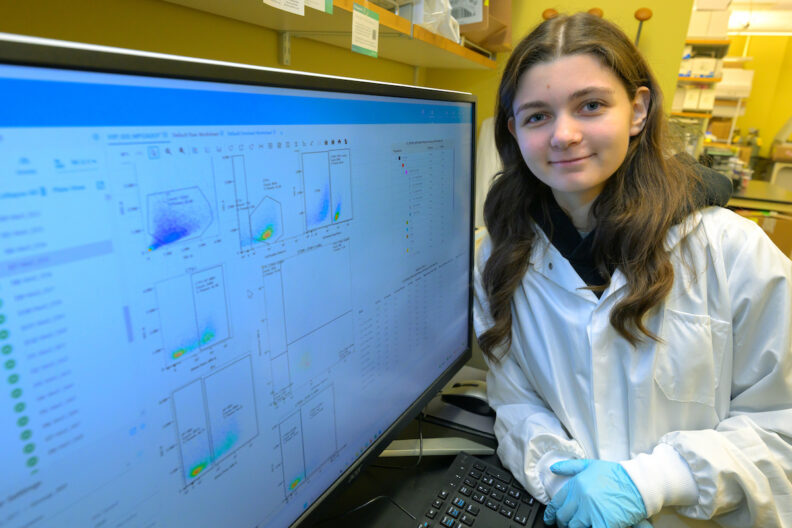
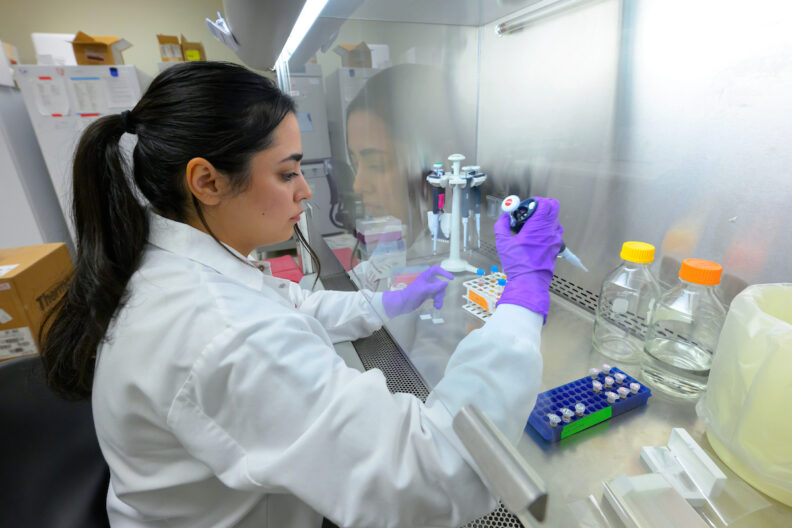
The Department of Veterinary Microbiology and Pathology, in collaboration with the Paul G. Allen School for Global Health, offers advanced graduate training in infectious diseases and immunology with contemporary approaches to investigate transmission and pathogenesis. Our faculty are recognized as leaders in infectious disease research, including virology, parasitology, bacteriology, vaccine production, and immunology that threaten animal health on a local and global scale.

Tours & visits
Pullman is located in the Palouse region of the Inland Northwest, homelands of the Nimíipuu (Nez Perce) Tribe and Palus people. The Palouse has one of the most beautiful and unique landscapes in the world. Rolling hills and wide-open skies give the region its distinctive appeal. Residents enjoy outdoor activities and the benefits of small town living with the cultural richness of bigger city life.
Notice of Nondiscrimination – WSU does not discriminate and prohibits discrimination on the basis of sex, race, color, national origin, disability, age, religion, creed, genetic information, marital status, protected veteran/military status, or immigration or citizenship status in any education program or activity that it operates complaint with Title IX and other civil rights laws and regulations. Inquiries regarding Title IX, ADA, or other civil rights laws, as well as reports of discrimination can be directed to the Compliance and Civil Rights, WSU ADA Coordinator, or WSU Title IX Coordinator. More information on WSU’s policies and procedures to respond to discrimination and harassment are available here: Nondiscrimination statement.