Center for
Lifestyle, Environment, Epigenetics, and Reproductive Health (CLEERH)
As of July 1, 2026, the Laboratory for Biotechnology and Bioanalysis (LBB) has closed. Sequencing services are now offered through the Washington Animal Disease Diagnostic Laboratory (WADDL), and questions can be emailed to the Next Generation Sequencing team.
The Fluorescence-Activated Cell Sorting (FACS) Core, the Gene Editing Reagent Core (GERC), and the Animal Production Core have moved to the College of Veterinary Medicine Office of Research. Questions about these cores can be directed to Jon Oatley.
CLEERH is structured around three high-impact pillars:
1. Interdisciplinary Research Acceleration: Competitive preparatory grants catalyze multi-investigator program project proposals (e.g., NIH P01/P50, USDA center grants).
Goal: Secure center-scale external funding and elevate WSU’s national competitiveness.
2. Flagship Training and Education Program: Fully funded doctoral scholarships and early undergraduate research immersion establish CLEERH as a premier training destination.
Goal: Build a vertically integrated pipeline of next-generation biomedical and translational leaders.
3. Community Engagement and Population Research: Community-based epidemiological studies and public-facing programming align discovery with public priorities.
Goal: Strengthen land-grant impact and societal relevance.
Become a member
Are you interested in becoming a member of the WSU Center for Reproductive Biology?
Some member benefits include an adjunct/affiliate faculty appointment in the center, reduced rates for our core laboratory services, and access to a community of world-renowned researchers.
Other resources
These resources are available to anyone at WSU. Services are offered to Center for Reproductive Biology members at reduced rates or free of charge.
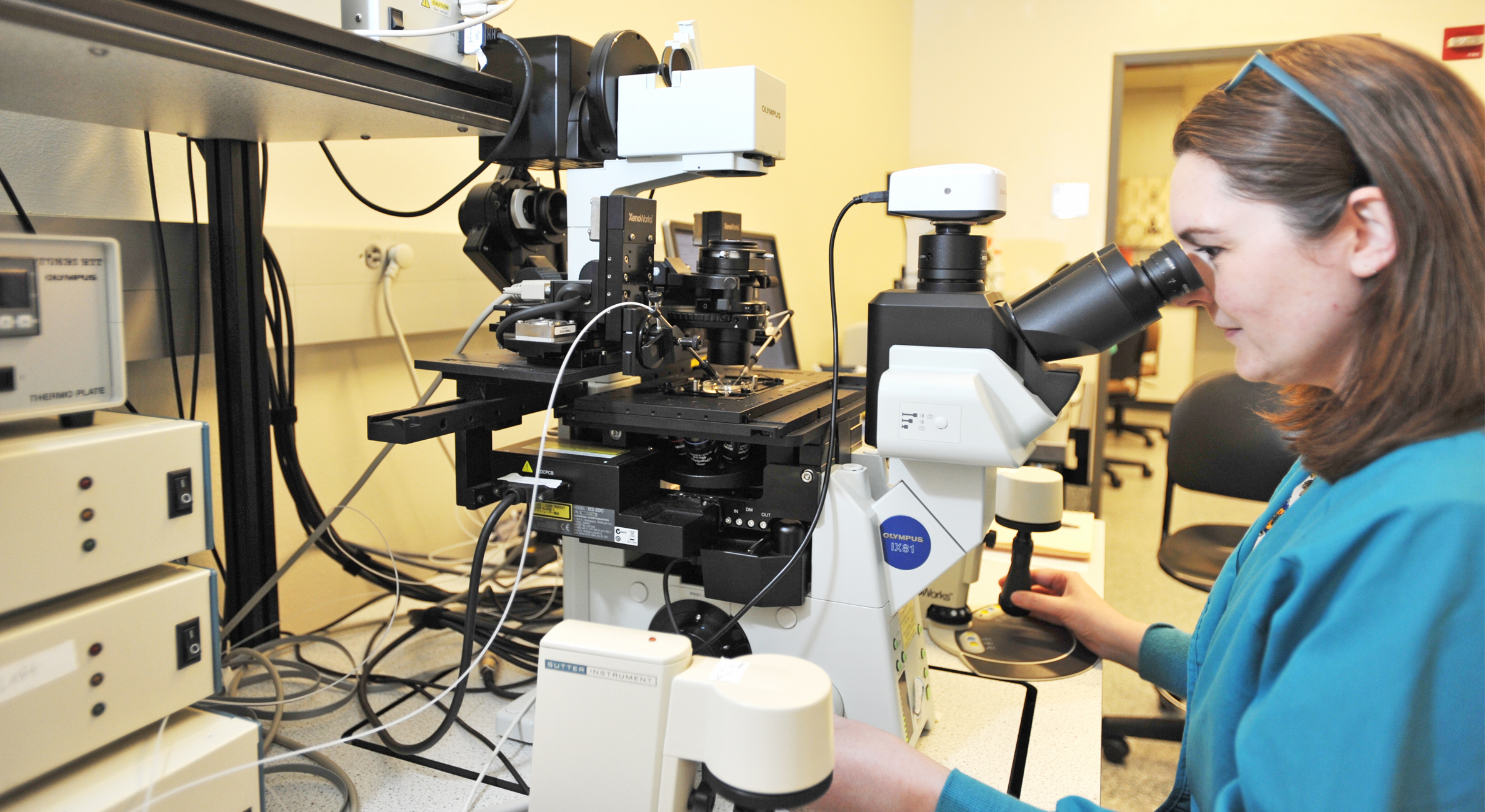
- Microscope maintenance services – The center coordinates a yearly visit by Pacific Microsystems, LLC for maintenance, cleaning, and instruction on how to maintain your microscope. Contact Laila Bensaud or call 509-335-8751 for more information.
- Imaging resources – Imaging services are offered through the WSU School of Molecular Biosciences. Confocal microscopy is available for use by center members through the lab of Dr. Eric Shelden. Contact Dr. Eric Shelden or call 509-335-2368 for scheduling information.
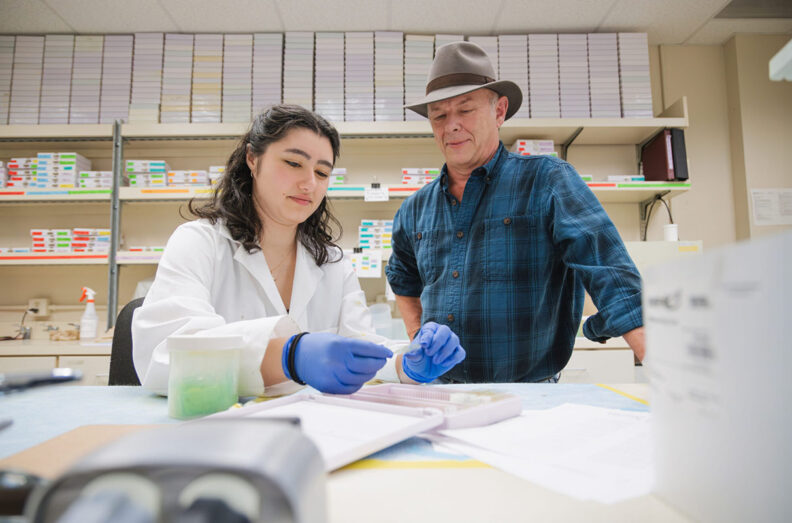
- Histology resources – Equipment is available to center members for generating cross-sections from fixed tissues, including paraffin embedding apparatuses, microtomes, and cryostats (supplies will be charged to the PI). Contact Jeanene Deavila or call 509-335-0675 for scheduling information.
Center news & events


Interested in giving opportunities for the Center for Reproductive Biology?
Questions? Contact Laila Bensaud or 509-335-8751
Center for Reproductive Biology
Washington State University College of Veterinary Medicine
P.O. Box 647521, Pullman, WA 99164-7521