Prepare for Admission
High school students
Becoming a veterinarian usually requires eight years of academic training after high school. Applicants complete undergraduate coursework and the majority earn a bachelor’s degree. The Doctor of Veterinary Medicine Program at WSU is an additional four years in biomedical science and clinical training.
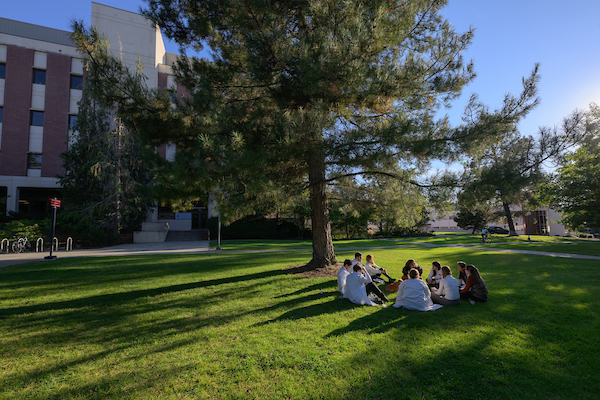
As a high school student, you can prepare now for admission to college. Although it is important to take as many math and science classes as you can, we also look for students who are well-rounded, with various interests.
High school courses that will provide the best foundation for our college pre-veterinary curriculum are laboratory sciences (chemistry, physics, and biology), math, and English.
College students
A broad undergraduate experience helps prepare students for a rigorous, science-based veterinary curriculum. You can complete the prerequisites needed to apply to WSU’s Doctor of Veterinary Medicine program as an undergraduate student at WSU or any school you attend.
Pre-veterinary study at WSU is a preparatory track that can be incorporated into any major. As long as students complete the general prerequisite requirements for veterinary school, they can select any undergraduate major they wish.
Other pathways to a DVM degree at WSU
- Combined program in animal sciences and veterinary medicine
- The Department of Animal Sciences offers the Combined Program in Animal Sciences and Veterinary Medicine.
- Honors pre-admit program
- The Honors College and College of Veterinary Medicine offer an Honors pre-admit program. Successful completion of this joint program takes seven years and results in the attainment of a Bachelor of Science degree and a DVM.
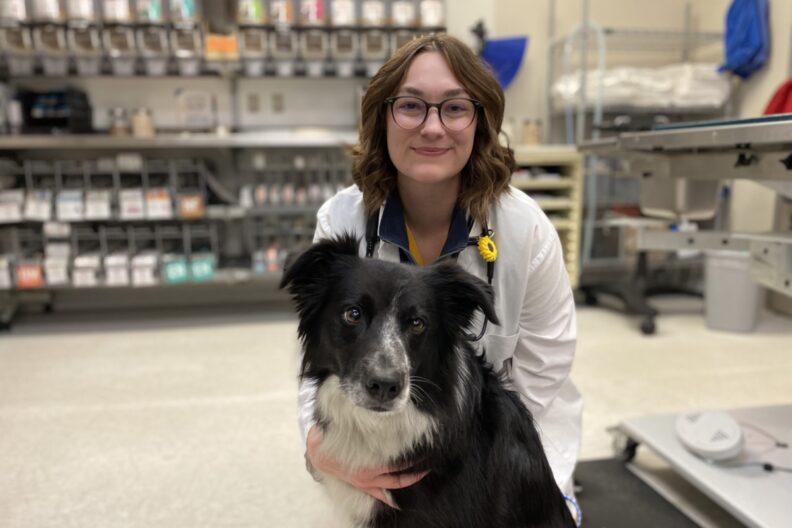
WSU Veterinary Teaching Hospital Undergraduate Internship
Pre-veterinary undergraduate students enrolled at WSU or the University of Idaho who plan to attend veterinary school are eligible to apply. Student interns work a minimum of 6 hours per week, learning valuable skills and gaining experience they can put to use in veterinary school and beyond.
More ways you can prepare to apply
- Shadow a veterinarian or volunteer at a local clinic. Be sure to keep track of the hours and as the contact information of the veterinarians with whom you work.
- Keep a log of your extracurricular activities (dates of membership, offices held, special projects you accomplished, etc.); any honors, awards, or scholarships you receive; and service in your community.
- Develop your interpersonal and communication skills. While veterinary medicine is rooted in science, the best veterinarians are skilled doctors as well as good communicators.
- Earn a Veterinary Paraprofessional Certificate. Gain clinic experience before applying to veterinary school. The WSU paraprofessional program combines online learning and hands-on, side-by-side training with veterinarians.
- Visit American Association of Veterinary Medical Colleges and Veterinary Medical School Admission Requirements

Tours & visits
Pullman is located in the Palouse region of the Inland Northwest, homelands of the Nimíipuu (Nez Perce) Tribe and Palus people. The Palouse has one of the most beautiful and unique landscapes in the world. Rolling hills and wide-open skies give the region its distinctive appeal. Residents enjoy outdoor activities and the benefits of small town living with the cultural richness of bigger city life.
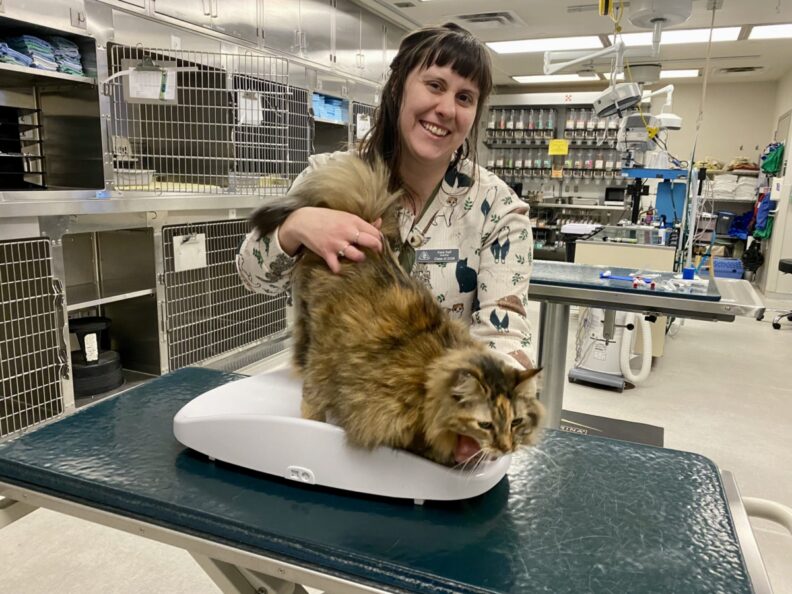
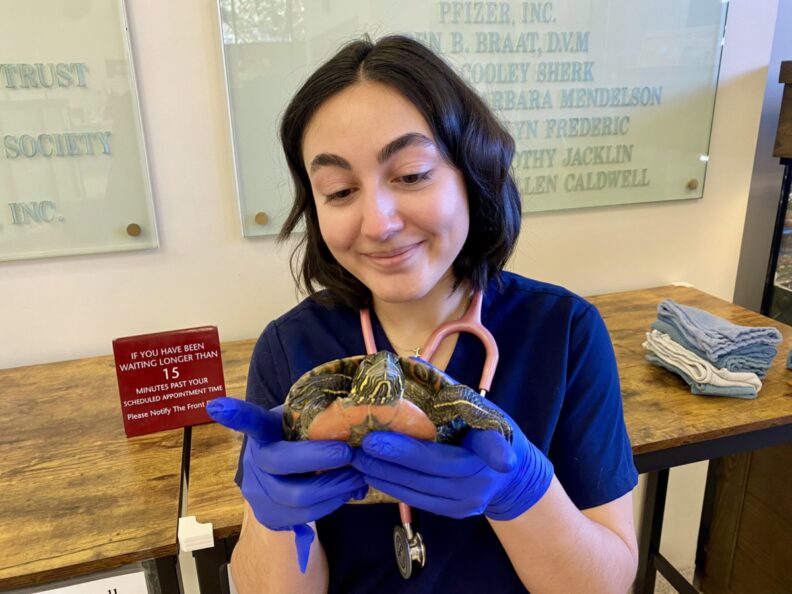
Meet our DVM students
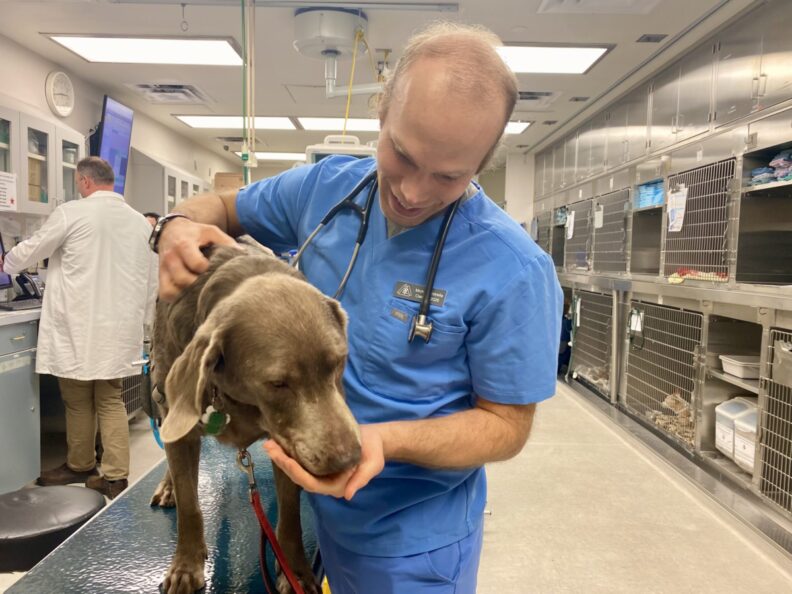
Get your WSU College of Veterinary Medicine gear!
Sweatshirts, scrubs, tees, hats, water bottles, license plate frames, and more at the Student American Veterinary Medical Association (SAVMA) Bookstore.
*Not a WSU store or affiliated store
Accreditation – The AVMA Council on Education® (AVMA COE®) accredits DVM or equivalent educational programs. The AVMA COE® assures minimum standards in veterinary medical education are met by all AVMA-accredited colleges of veterinary medicine, and that students enrolled in those colleges receive an education that will prepare them for entry-level positions in the profession. The WSU College of Veterinary Medicine underwent an accreditation review in 2024 and has a current status of “Accredited with minor deficiencies.” A minor deficiency has minimal or no effect on student learning or safety and will readily be corrected by the college within one year. The minor deficiency is to replace the flooring in the equine hospital. The AVMA COE’s next site visit to the college will occur in 2031.