By Josie Goodrich
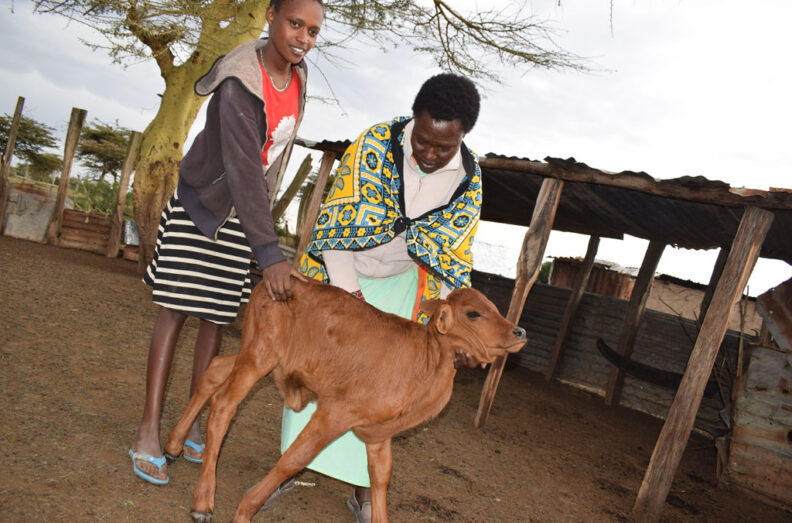
Every day that Terryann Shungur looks out into the plain countryside from her Manyatta home, she sees two light brown Sahiwal calves running, jumping, and playing together as their big, floppy ears flow in the cool, calm Narok County air.
It’s a testament to the resilience of smallholder families like Terryann, who continue to strive for a better future despite the challenges.
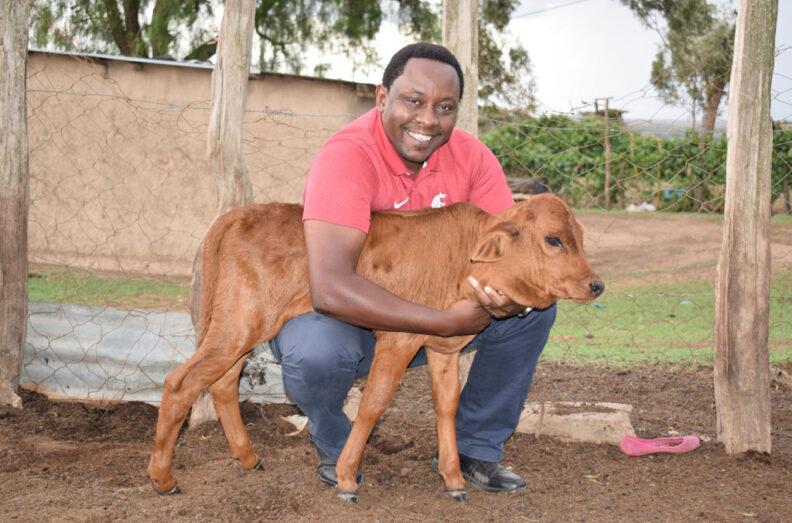
Every day, she sees the healthy calves, and she sees a new snapshot of her future.
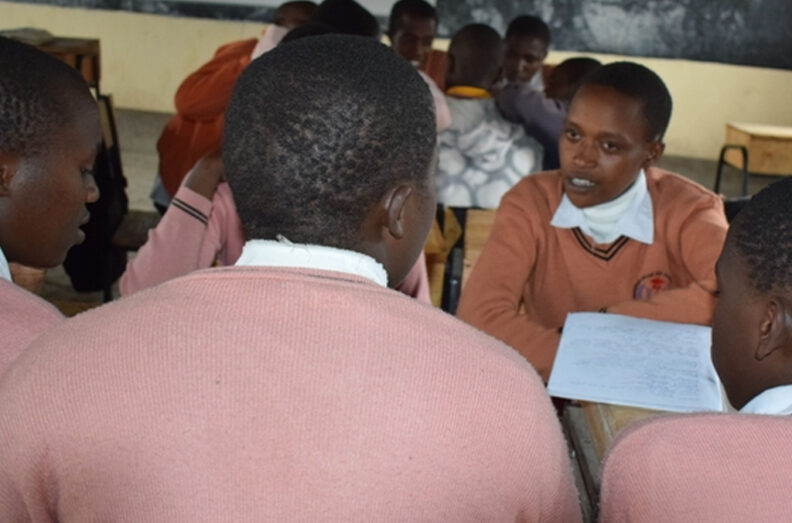
After giving birth to her son at 15 years old, Terryann was forced to drop out of school to become a mother. During her pregnancy, she longed to return to her education but was unsure how she could afford it, as tuition fees are about Sh 135,00 a year, Terryann said.
Her mother decided it was in the family’s best interest to sell two of their cows for Sh 81,000 and use the funds for Terryann’s education. As a young mother, Terryann, a Masaantare Mixed Day and Secondary School student in Narok County, got a second chance at an education—a transformative opportunity she seized with both hands.
“I want to go to school so that I can go to university, and then after that, I can become a doctor,” Terryann said. “When I’m a doctor, I’ll work, and I will get a salary which I will use to improve myself and support my family.”
For that to happen, Terryann must keep her cattle alive, which is hard to do when a deadly silent disease is sweeping the countryside.
East Coast Fever, ECF, a cattle disease informally known as ‘cattle malaria,’ is extensively spreading in farming communities. Farmers are struggling to keep their animals alive and, therefore, to feed themselves and their families.
ECF is a tick-transmitted disease caused by the protozoan parasite Theileria parva. It kills cattle within three weeks of infection through a fluid build-up in their lungs, otherwise called pulmonary edema, drowning the animals, explained Feed The Future Innovation Lab for Animal Health Program Manager Dr. Mulei Muema. The disease kills one cow every 30 seconds, and over 50 million cattle in central, eastern, and southern Africa are at risk of it.
Because the deadly cattle disease indirectly affects the health and nutrition of families, specifically mothers and their children, global researchers are tackling the disease and its side effects on farmers’ livelihoods.
The Feed the Future Innovation Lab for Animal Health (AHIL) program is being implemented in 600 households in Narok County in Kenya to improve human nutrition, economic welfare, and resilience by removing constraints to cattle health and production in Kenya and the East Africa region.
Washington State University leads the AHIL consortium with Kenya-based partners, including the University of Nairobi, the International Livestock Research Institute, and scientists from the Kenya Medical Research Institute and Kenya Agricultural and Livestock Research Organization.
The five-year program combines laboratory and field intervention studies to improve the uptake of animal health interventions and measure their impact on household well-being and the nutritional status of women and children.
She said that without this program at such a vulnerable time, Terryann was unsure how she would have kept her calves healthy, ultimately leaving her with no money to get an education.
“ECF poses a significant threat to livestock in Kenya. It affects cattle in eastern, central, and southern Africa and is a major impediment to the establishment and growth of cattle in the region. Economic losses due to ECF are estimated to be up to $300 million annually,” said Dr. Muema.
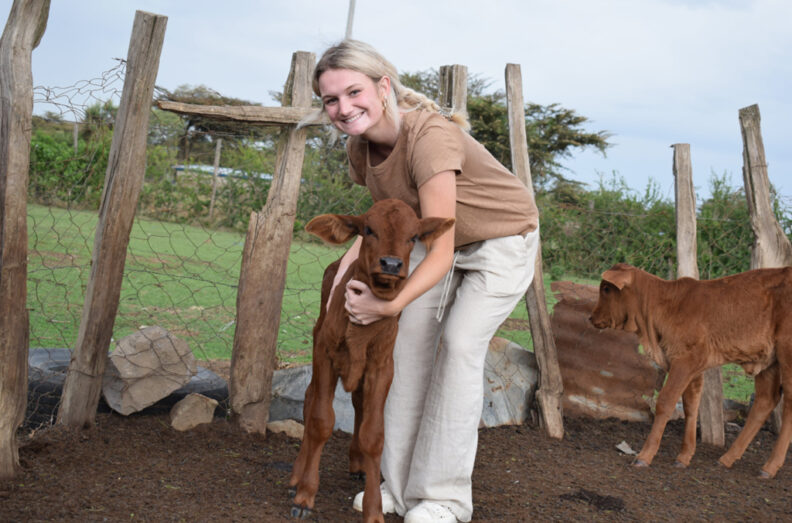
While this disease itself does not affect humans, the loss of cattle from East Coast Fever is affecting the livelihoods of smallholder farmers and pastoralists in rural sub-Saharan Africa, as ECF kills up to 90% of untreated calves, AHIL Director Prof. Thumbi Mwangi said.
Prof. Mwangi wears both academic and research hats. He is also a Washington State University associate professor for the WSU Paul G. Allen School for Global Health, a Chancellor’s Fellow in Global Health at the University of Edinburgh, a senior research fellow at the University of Nairobi, and a co-director at the Centre for Epidemiological Modelling and Analysis (CEMA), University of Nairobi.
“Even if the diseases are not going to be passed on to people, they affect production, they affect the amount of milk, amount of meat, amount of growth the animals experience. Those eventually have an impact on the health and nutrition of humans,” Prof Mwangi said.
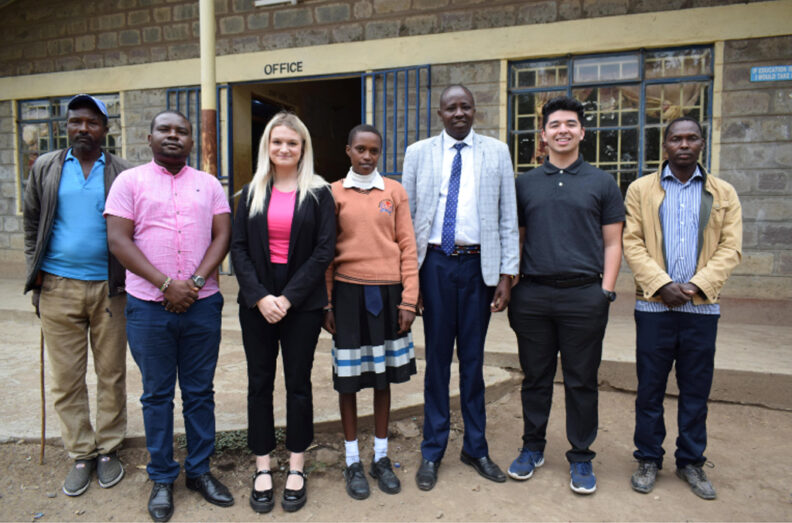
Dr Muema said the team is also improving the current ECF vaccine and making a field-level diagnostic kit for ECF.
Prof. Mwangi said the information and data collected from this five-year program will benefit the families directly involved and, in the long run, create policy change that will dramatically improve farmers’ lives for years.
“Removing the constraint or the biggest disease, which is East Coast Fever, has ripple effects on a household’s economics and consumption of animal-source foods, and that will significantly reduce acute malnutrition,” Prof. Mwangi said.
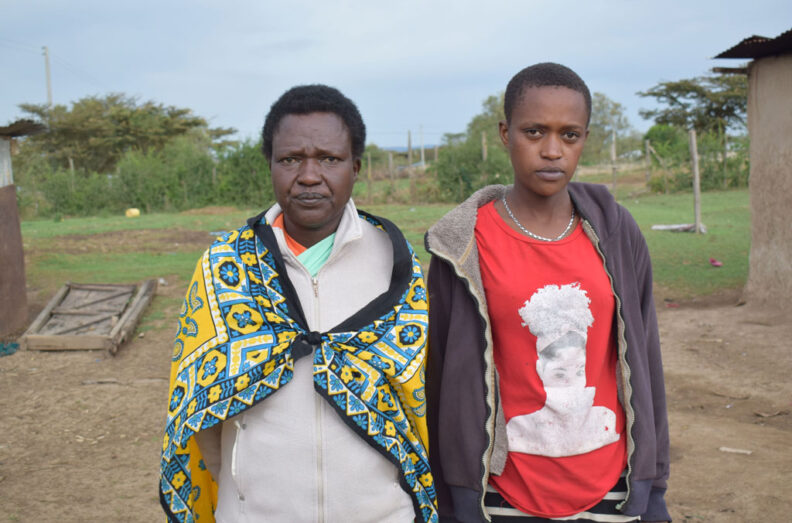
Napolos Shungur, Terryann’s mother, beamed as she described how the program benefits her family. The program guarantees her extra income to handle household needs, including saving for her daughter’s school fees.
“For me, this cow is my livelihood. When a cow dies, it means I can’t sell it, and I can’t get money to take the children to school,” said Napolos.
Napolos is hopeful that the partnership will be productive in securing her family’s future, as she admitted most of the time that her cattle’s death is due to ECF, creating considerable loss and hardship for her family.
Feed the Future Innovation Lab for Animal Health has reminded Terryann that her future is linked to improved livestock production and health. Because she is one of the families participating in the program, her dreams are not too far out of reach. The program is a beacon of hope for smallholder farmers like Terryann, offering a path to a brighter future.
“I will stay in school as long as we have healthy cattle. This gives me hope to become a doctor, “ Terryann concluded.
Josie Goodrich produced this story in Narok County, Kenya, as part of a competitive, donor-funded international reporting program at the Edward R. Murrow College of Communication at Washington State University. Every year, Backpack Journalism sends four top students to foreign countries to report stories under the guidance of a faculty member and publish those stories upon their return.
About the Feed the Future Innovation Lab for Animal Health
The Feed the Future Innovation Lab for Animal Health is a five-year cooperative agreement funded by the USAID Bureau for Resilience, Environment and Food Security.
The Innovation Lab for Animal Health’s vision is to improve human nutrition, economic welfare, and resilience by removing constraints to cattle health and production in Kenya and the East African region.
Washington State University leads the Innovation Lab for Animal Health consortium with Kenya-based partners, including the University of Nairobi, the International Livestock Research Institute and scientists from the Kenya Medical Research Institute and Kenya Agricultural and Livestock Research Organization.