Our influence
The CVM Teaching Academy was founded in 2010 and has since grown to offer a wide variety of professional development opportunities. Its vision is to be an inclusive community of educators enhancing their teaching, career development and scholarship.
The CVM Teaching Academy offers a range of activities throughout the year in service of its vision, including seminars, workshops, learning communities, peer observations of teaching and informational meetings. By engaging with these various opportunities, educators are better prepared to meet the changing needs of the higher education environment.
The focus of our events throughout the year varies based on the needs and interests of our members. In this report you will hear about the events offered in 2024. These events were attended by a total of 195 unique faculty, staff, and students from the College of Veterinary Medicine, broader WSU and beyond. Many of these attendees contributed to more than one event across the year. Through these combined and collective efforts by the overall CVM Teaching Academy learning community, we have positively impacted our college and campus both directly and indirectly at multiple levels.
Number of events by year
| Event | 2024 | 2023 | 2022 | 2021 | 2020 | 2019 | 2018 | 2017 | 2016 | 2015 | 2014 | 2013 | 2012 |
|---|---|---|---|---|---|---|---|---|---|---|---|---|---|
| Seminars & Panel Discussions | 15 | 8 | 16 | 3 | 5 | 10 | 11 | 16 | 19 | 16 | 9 | 16 | 19 |
| Workshops | 3 | 14 | 4 | 6 | 7 | 4 | 6 | 3 | 10 | ||||
| Guest Speakers | 6 | 3 | 9 | 5 | 4 | 4 | 10 | 2 | |||||
| Book Club | 20 | 10 | 17 | 17 | 17 | 13 | |||||||
| Teaching Toolkits | 7 | 8 | 6 | 3 | 6 | 8 | 9 | 9 | |||||
| TA Learning Communities | 48 | 37 | 12 | 6 | 9 | 27 | 29 | 4 | 3 | ||||
| Webinars | 1 | 1 | 8 | 7 | |||||||||
| Nat'l Acad. Summer Institutes Worshop | 2 | 2 | |||||||||||
| New Faculty Development | 12 | 13 | 4 | ||||||||||
| Job Candidate Meetings | 14 | 9 | 7 | 4 | 10 | 14 | 5 | 7 | 13 | 16 | 25 | ||
| Grad Students as Educators | 7 | 7 | |||||||||||
| Peer Observation Series | 15 | 8 | 7 | 1 | 2 | 4 | 7 | 1 | |||||
| Other | 4 | 1 | |||||||||||
| Total | 102 | 84 | 73 | 17 | 23 | 45 | 55 | 59 | 104 | 105 | 77 | 38 | 45 |
New member & affiliates
- Yoko Ambrosini, DVM, MPVM, PhD, DACVIM (SAIM) Assistant Professor, Internal Medicine, Small Animal, Veterinary Clinical Sciences
- Tasha Bradley, BVetMedSci, BVM, BVS Lecturer, Junior Surgery, Simulation Based Education, Veterinary Clinical Sciences
- Bettina Darveshi, BVM&S, MS Lecturer, Small Animal Surgery, Emergent & Orthopedic, Veterinary Clinical Sciences
- Emily Davies, MSN, BSN Teaching Assistant Professor, Spokane, College of Nursing
- Iwona Driskell, PhD, MS Scholarly Assistant Professor, School of Molecular Biosciences
- Jeremiah Grissett, PhD Center for Counseling and Wellness, Counseling & Wellness, DVM Student Services
- Cynthia Haseltine, PhD, MS Associate Professor, School of Molecular Biosciences
- Babiche Heil, DVM, MS, Dipl. ACT Assistant Professor, Equine Medicine, Theriogenology, Veterinary Clinical Sciences
- John Hinz, PhD Assistant Professor, School of Molecular Biosciences
- Ramanathan Kasimanickam, DVM, DACT Associate Professor, Bovine Reproduction Specialist, Center for Reproductive Biology, Field Disease Investigation Unit, Veterinary Clinical Sciences
- Karen Kline, DVM, DACVIM (Neurology) Associate Professor, Neurology, Veterinary Clinical Sciences
- Rocky Lucas, MS Director, Center for Counseling and Wellness, Counseling & Wellness, DVM Student Services
- Christopher Mandella, DVM Pathology Resident, Veterinary Microbiology & Pathology, Washington Animal Disease Diagnostic Laboratory
- Alyssa Marre, DVM Lecturer, Agricultural Animal, Veterinary Clinical Sciences
- Matthew Mason, DVM Assistant Professor, Community Practice, Veterinary Teaching Hospital
- Reda Mohamed, B.Sc, PhD Assistant Professor, Integrative Physiology & Neuroscience
- Benjamin Moreledge-Hampton, PhD Instructor, School of Molecular Biosciences
- Shana O’Marra, DVM, DACVECC Associate Professor, Emergency & Critical Care, Small Animal, Veterinary Clinical Sciences
- Jeffrey Olivarez, DVM, MS Assistant Professor, Agricultural Animal, Veterinary Clinical Sciences
- Erin Pinnell, DVM, MS, DACVIM Assistant Professor, Equine Medicine, Veterinary Clinical Sciences
- Korakrit Poonsuk, DVM, PhD, DACVM Assistant Professor, Microbiologist, Immunodiagnostics Section Head, Veterinary Microbiology & Pathology, Washington Animal Disease Diagnostic Laboratory
- Emma Rovani-Rhoades, DVM Pathology Resident, Veterinary Microbiology & Pathology, Washington Animal Disease Diagnostic Laboratory
- Todd Sabato, PhD, CHES Associate Professor, Co-Director, Public Health Degree Programs, Paul G. Allen School for Global Health
- Jennifer Sexton, DVM Assistant Professor, Agricultural Animal, Veterinary Clinical Sciences
- Chelsea Sykes, DVM Assistant Professor, Diagnostic Toxicologist, Veterinary Microbiology & Pathology, Washington Animal Disease Diagnostic Laboratory
- Jenna Waltzek, DVM Assistant Professor, Community Practice, Veterinary Clinical Sciences
- Thomas Waltzek, DVM, PhD Associate Professor, Ed McLeary Distinguished Professor, Veterinary Microbiology & Pathology, Washington Animal Disease Diagnostic Laboratory
- Eric Winzenried, Neuroscience PhD, Advisor: Dr. Suzanne Appleyard, Integrative Physiology & Neuroscience
- Cassondra Yarlott, Academic Coordinator, DVM Year 2 & 3 Advisor, DVM Student Services
Interested in becoming a College of Veterinary Medicine Teaching Academy member? Email Dr. Susan Matthew or Dr. Rachel Halsey.
Educator Development Workshops
February 9 | Attendance: 11
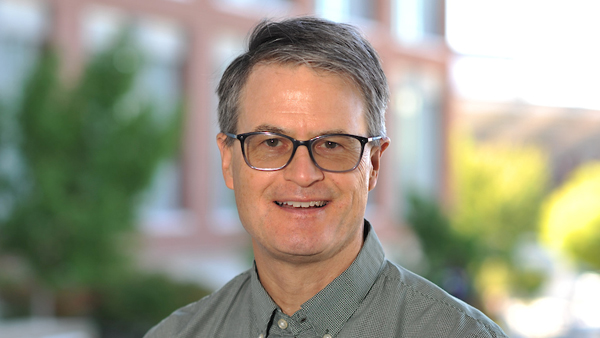
Facilitators
Description
This 4 hour in-person workshop addressed how to effectively present participants’ contributions to teaching and learning in their promotion packets. Participants learned effective guidelines to follow and began applying these in showcasing their own work.
Learning objectives
- Describe the stages, timelines and components of the WSU CVM promotion process
- Access guidelines and resources to begin developing your promotion packet
- Compare and contrast examples, critically reflecting on these to strengthen your portfolio
- Organize your portfolio strategically, managing themes and supporting evidence to effectively tell your professional story
Workshop topics
- Preparing Your Educator’s CV – Dr. Philip Mixter
- Framing Your Teaching Portfolio/Reflective Document – Dr. Steve Lampa
- Writing Your Teaching Portfolio/Educator’s Reflective Document and Appendices – Drs. Susan Matthew and Jeffrey Abbott
March 9 | Attendance: 10
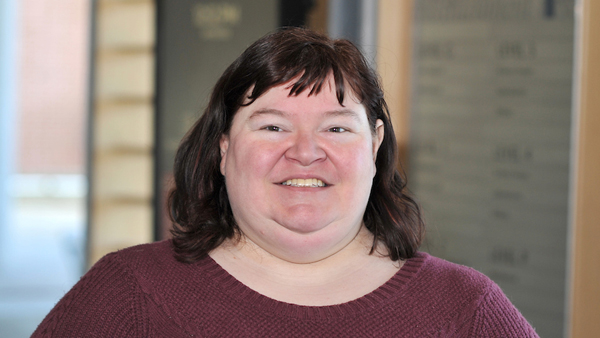
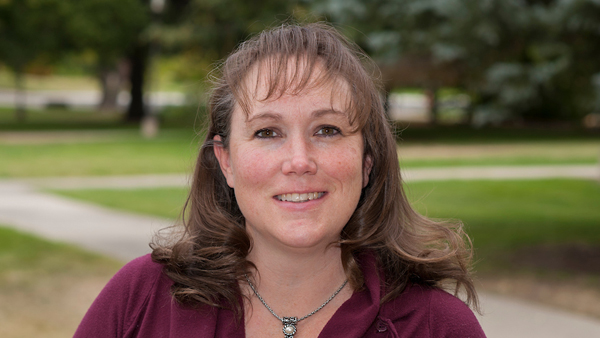
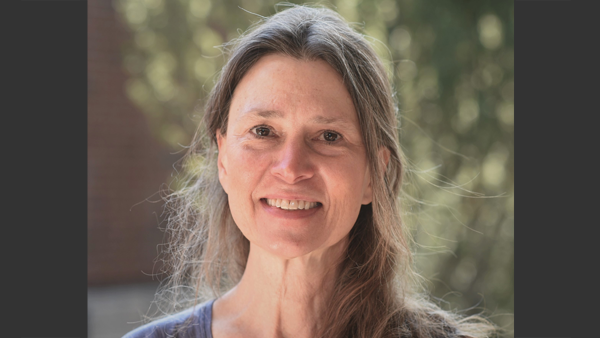
Facilitators
GradCertEdStud(HigherEd)
Description
This 4 hour in-person workshop addressed the fundamentals of effective teaching in class-rooms and laboratories:
- How to write clear learning objectives
- How to implement active learning strategies
- How to evaluate progress in learning
- How to integrate objectives, assessments and teaching activities
Workshop topics
- Intentionally Designing for Learning – Dr. Susan Matthew
- Writing Learning Objectives – Drs. Samantha Gizerian and Steve Lampa
- Multiple-Choice Exams as Problem Solving Assessment – Drs. Lynne Nelson
- Non-MCQ Assessments – Dr. Jeffrey Abbott
- Enhancing Teaching: Active Learning Strategies – Drs. Rachel Halsey
- Further Resources and Feedback – Drs. Susan Matthew and Lynne Nelson
March 31 | Attendance: 16
Facilitators
Description
This 3 hour in-person workshop addressed the fundamentals of effective clinical teaching:
- How to create active learning in rounds
- How to maximize case-based clinical teaching and feedback
- How to assess progress in learning
Workshop topics
- Creating Active Learning in Rounds settings – Drs. Jillian Haines and Sarah Guess
- Maximize case-based feedback – Dr. Jeffrey Abbott
- Assessing Progress in Clinical Learning – Dr. Lynne Nelson
- Further Resources and Feedback – Dr. Lynne Nelson
Seminars & panel discussions
The purpose of these discussions is to explore and disseminate best practices, so that educators can teach students more effectively and efficiently in classrooms and clinics. Among these discussions are Semester Seminars, Summer Teaching Toolkits, and Learning Communities.
- All sessions were in hybrid fashion (classroom & video conferenced via Zoom)
- There were 8 Seminars (2 Spring; 6 Fall) and 7 Panel Discussions. (2 Spring; 5 Fall)
- Attendance totaled 253
- Average attendance per session for 2024, 17 people
January 19 | Panel discussion: Peer observation from all sides
Description
This panel focused on the CVM Teaching Academy Peer Observation of Teaching program. Participants heard from three different perspectives on what it was like to be part of the Peer Observation of Teaching program.
Panelists
- Peer Observation Co-Chairs: Drs. Philip Mixter & Jeffrey Abbott
- Observer: Dr. Susan Matthew
- Both Observee & Observer: Drs. Yoko Ambrosini & Mara Varvil
February 13 | Fall Conference Takeaways by Professional Development Travel Grant Recipients
Description
Participants were encouraged to attend this seminar where travel grant recip-ients shared their experiences and insights gained from their professional development conferences. Attendees discovered what they had learned and how they could apply those lessons to their work environments.
Primary investigators
- Drs. Jeffrey Abbott & Philip Mixter
April 4 | Team Based Learning: Once You See It, It Can’t Be Unseen
Description
After I had the chance to sit-in on a few team-based learning (TBL) courses in the veterinary curriculum at University of Arizona, I was curious about how TBL worked and if it was something that could be done in our curriculum at WSU. I did additional TBL training over the summer, then implemented TBL in 10 hours of the fall internal medicine course in 2023. Along the way, I kept notes on my experiences learning and implementing TBL and gathered data on TBL from the students’ perspective, which I shared during this session.
Presenters
- Dr. Sarah Guess
April 18 | Panel Discussion: Educational Research Grant Presentation & Panel Discussion
Description
WriteSTEM: Virtual Tools to Help Students Improve Their Writing Skills – PI: Philip Mixter, Martina Ederer & Michael Dunn.
This panel focused on the CVM Teaching Academy Educational Research Grant. Participants heard from four different perspectives on the Educational Research Grant program.
Presenter
- Michael Dunn, Emma Ledbetter, Dr. Sarah Guess & Dr. Jane Wardrop
August 8 | Innovate and Inspire: Discover ‘How Learn-ing Works’ with Our Learning Community
Description
How Learning Works: Seven Re-search-Based Principles for Smart Teaching can influence and shape philosophies of reflective teaching. This book puts many teaching and learn-ing concepts into a clear relatable language which were shared during this brief introduction to the revised version of How Learning Works: Eight Research-Based Principles for Smart Teaching. The book, chapter topics and formats were intro-duced as we began the enlightening journey that this book provides in the CVM TA Fall 2024 learning community.
Presenter
- Dr. Steve Lampa
August 23 | Panel Discussion: Peer Observation from All Sides
Description
This panel focused on the CVM Teaching Academy Peer Observation of Teaching program. Participants heard from three different perspectives on what it was like to be part of the Peer Observation of Teaching program.
Panelists
- Peer Observation Co-Chairs: Drs. Philip Mixter & Jeffrey Abbott
- Observer & Observee: Dr. Jessica Bell
- Observee: Dr. Martin Suarez
- Both Observer & Team Leader: Drs. Lynne Nelson & Jessica Bunch
September 4 | Panel Discussion: Byte-Sized Learning: AI’s Impact on the Classroom Experience
Description
The first of three engaging & for-ward-thinking panel discussions, which delved into the evolving role of artificial intelligence in higher education, took place. In this initial ses-sion, the expert panel and audience members col-laboratively explored how AI was reshaping the learning environment, enhancing teaching meth-odologies, & offering new ways to engage and support students. From AI-driven assessments to personalized learning experiences, insights, suc-cesses, & challenges in adopting these cutting-edge technologies were shared.
For instructors curious about incorporating AI into their curriculum or students concerned about aca-demic integrity surrounding the use of AI tools, the seminar provided valuable perspectives & practical advice. The conversation highlighted how AI was transforming the educational experi-ence for both instructors & students.
Presenters
- Drs. Samantha Gizerian, Liam Broughton-Neiswanger and Hanna Shihler
September 17 | Designing Surveys for Education Research
Description
Like exam questions, education research survey questions needed to be thoughtfully selected & written to enable accu-rate measurement. During this workshop, par-ticipants learned to address key principles for designing robust education research surveys & received tips & tricks for writing survey ques-tions to reduce measurement error.
Presenter
- Dr. Susan Matthew
September 25 | Inclusive Excellence: Strategies for Developing and Implementing Inclusive Syllabi
Description
Participants discovered how to create & implement an inclusive syllabus in their courses. They were encouraged to bring their syllabi for interactive discussions, as prac-tical strategies for fostering inclusivity & equity were explored. This seminar examined best practices & provided personalized guidance to ensure syllabi reflected a commitment to diver-sity & supported the success of all learners.
Presenters
- Rocky Lucas, Eric Winzenried, Dr. Samantha Gizerian, Dr. Emily Qualls-Creekmore & Dr. Hannah Cohen
October 9 | Panel Discussion: Byte-Sized Medicine: AI’s Impact on the Clinical Experience
Description
The second of three panel discus-sions delving into the evolving role of artificial intelligence in higher education took place. In this session, the expert panel & audience mem-bers collaboratively explored how AI was re-shaping the clinical environment, enhancing methodologies, & offering new ways to treat pa-tients & support clients. From AI-driven diag-nostic tools to personalized medicine, insights, successes, & challenges in adopting these cutting-edge technologies were shared.
For clinicians curious about incorporating AI into their practice or uncertain about the ethical implications surrounding the use of AI tools in the clinic, this seminar provided valuable per-spectives & practical advice. The conversation highlighted how AI was transforming the clinical experience.
Presenters
- Drs. Liam Broughton-Neiswanger, Hannah Cohen, Sarah Guess & Patrick Doyle
October 23 | Grades and Ranks: Performance Feedback in Professional Programs
Description
This session included a review of the history and use of grading systems other than conventional letter grades in professional health sciences programs. A discussion of how the WSU DVM program approached the decision to adopt a modified pass/fail grading system served as an evidence-based illustration of implementa-tion in an authentic context. Finally, we consid-ered the pros and cons of using ranks as a meas-ure of student performance in a professional pro-gram, again using data from our own program as a basis for discussion.
Presenters
- Dr. Leslie Sprunger
October 31 | Panel Discussion: Optimizing Teaching with House Officers
Description
This panel focused on how fac-ulty could optimize their teaching with resi-dents and house officers. It was especially in-tended for new faculty who had recently been residents themselves and were still building their confidence and skills in leading teaching with house officers.
Presenters
- Dr. Julie Cary, Ryan Baumwart and Karen Kline
October 31 | Panel Discussion: Byte-Sized Learning: AI’s Impact on the Research Experience
Description
The third panel discussion delv-ing into the evolving role of artificial intelli-gence in higher education took place. In this session, the expert panel & audience members collaboratively explored how AI was reshaping the research environment, enhancing research methodologies, & offering new ways to explore and discover. From AI-driven data analysis to specialized methodologies, insights, successes, & challenges in adopting these cutting-edge technologies were shared.
Presenters
- Drs. Liam Broughton-Neiswanger, Arden Baylink & Jasson Makkar
Teaching Toolkit Series
In the Summer Teaching Toolkit Series, we explored topics intended to assist participants in build their instructional “toolkit” and provide ideas that could be applied during the school year.
The Teaching Toolkit format
- Faculty, residents, and graduate students from the CVM and across WSU are invited to attend these mini-workshops.
- We intend for these workshops to be active learning sessions. Participants will be introduced to each topic/idea and will then engage, interact, and create products (where appropriate).
- Ideally, participants will leave each session with one or two lessons they can apply to their teaching
Attendance
Total attendance to all 7 sessions was 117 participants, comprised of 77 individuals. The group included faculty members, graduate students, and staff members. See attendance for specific date below. Just over 75% of attendees attended one session of interest and the remaining 25% was split almost equally between attending 2 and 3 sessions of interest.
Teaching Toolkit Series
May 15 | Professional Development Opportunities: Educational Conferences and Regional Teaching Academy
Description
During that session, we explored the benefits of attending educational conferences, including expanding professional networks and fostering collaborations, as well as learning about innovative ideas and practices. We also discussed the opportunities available through participating in the Regional Teaching Academy.
Presenter
- Dr. Rachel Halsey
May 22 | Who is in Your Classroom?
Description
We invited you to join our summer toolkit series as we delved into essential strategies for identifying classroom diversity and individual student needs. Through interactive discussions and real-life case studies, participants gained insights into recognizing diverse student types and developed plans to address their unique requirements, ensuring an inclusive and supportive learning environment for all.
Presenters
- Drs. Jeffrey Abbott, Jessica Bunch, Tania Perez, Mara Varvil, Jillian Haines, & Jeffrey Olivarez
May 29 | Inclusive Excellence: Strategies for Developing and Implementing Inclusive Syllabi
Description
We explored how to create and implement an inclusive syllabus in your courses. Participants were encouraged to bring their syllabi for interactive discussions, as we examined practical strategies for fostering inclusivity and equity. Together, we reviewed best practices and provided personalized guidance to ensure your syllabus reflected a commitment to diversity and supported the success of all learners.
Presenters
- Rocky Lucas, and Drs. Eric Winzenried, Matthew Peck, Samantha Gizerian, Emily Qualls-Creekmore, Jane Wardrop, & Hannah Cohen
June 5 | Clear Expectations, Better Outcomes: Crafting Transparent Assignments
Description
Transparency in teaching leads to better learner outcomes; one way that faculty can increase transparency is through assignment design. The workshop introduced the Transparency in Learning and Teaching (TILT) framework, which can be used to create more transparent and learner-centered assignments.
Objectives
- Delineate how pedagogical transparency leads to better learner outcomes.
- Evaluate sample assignments using the TILT framework.
- Apply the TILT framework to create more transparent assignments.
Presenter
- Megan Connolly, Instructional Designer, College of Nursing
June 12 | Innovating in Curriculum Through Hands-on Learning and Varied Assignments
Description
Collaboratively discussed class assignments and demonstrated how students may be fulfilled in different ways by leveraging technology.
Presenter
- Jonathan Manwaring, Assistant Director, Learning Innovations, WSU Global Campus
June 18 | Exploring Ways to Enhance Inclusive Student Engagement
Description
In this toolkit series, participants embarked on a journey of exploration, discovering practical strategies to nurture inclusivity within their learning environments. Through discussions and hands-on exercises, participants delved into innovative methods for engaging students and creating an atmosphere of belonging and empowerment in the classroom.
Presenters
- Dr. Steve Lampa, Dr. Sarah Guess, Cassondra Yarlott, Dr. Jennifer Sexton, & Dr. Philip Mixter
June 26 | Enhance Your Teaching with GenAI Tools
Description
In this hands-on workshop, participants experimented with large language models like Gemini, Perplexity, Claude 3, ChatGPT (3.5), Copilot, and Firefly to generate engaging content and beautiful images to enhance their lessons and save time.
Presenter
- Priya Panday-Shukla, M.A., Health Education Graduate Liaison, Ph.D. Candidate in Language, Literacy, and Tech-nology, College of Education
The Summer Program implementation & influences
The CVM Teaching Academy summer program has been going strong for 13 years. The program is based on a book/journal club and/or the Summer Teaching Toolkit series. Data collected over the past 12 years are summarized below.
Our Teaching Toolkit Series was implemented across 2017 – 2024. **For 2022 we incorporated BOTH the Teaching Toolkit series and a book club over the summer
Book/journal club:
- 2013: “How Learning Works” by Ambrose, et al.
- 2014: Teaching Professor Newsletter archived articles (December 2012 to May 2014)
- 2015: “Make It Stick: The Science of Successful Learning” by Peter C. Brown, Henry Roediger, and Mark McDaniel
- 2016: Selected Journal Articles
- 2022: Small Teaching: Everyday Lessons in the Science of Learning, by James Lang
EVENT | Attendance
| Year | # of Events | Attendance |
|---|---|---|
| 2012 | 13 | |
| 2013 | 17 | 181 |
| 2014 | 17 | 130 |
| 2015 | 18 | 101 |
| 2016 | 9 | 110 |
| 2017 | 10 | 220 |
| 2018 | 9 | 136 |
| 2019 | 8 | 139 |
| 2020 | 6 | 133 |
| 2021 | 3 | 21 |
| 2022 | 15 | 135 |
| 2023 | 8 | 131 |
| 2024 | 7 | 117 |
TOTAL | Summer Attendance
| Sess. | Book/Journal Club 2013-16 | Toolkit Series 2017-2021 | Toolkit | Book | Toolkit | ||||||||
|---|---|---|---|---|---|---|---|---|---|---|---|---|---|
| 2013 | 2014 | 2015 | 2016 | 2017 | 2018 | 2019 | 2020 | 2021 | 2022 | 2023 | 2024 | ||
| Info | 26 | 27 | 17 | 22 | 21 | 25 | |||||||
| 1 | 26 | 17 | 11 | 21 | 34 | 19 | 30 | 30 | 7 | 8 | 8 | 19 | 8 |
| 2 | 21 | 10 | 16 | 11 | 16 | 5 | 19 | 29 | 7 | 25 | 7 | 21 | 15 |
| 3 | 21 | 10 | 12 | 8 | 33 | 10 | 18 | 21 | 7 | 16 | 7 | 18 | 16 |
| 4 | 20 | 14 | 11 | 6 | 24 | 9 | 30 | 17 | 12 | 7 | 11 | 9 | |
| 5 | 24 | 14 | 8 | 6 | 17 | 14 | 8 | 19 | 14 | 8 | 13 | 14 | |
| 6 | 13 | 17 | 10 | 7 | 18 | 7 | 20 | 17 | 6 | 4 | 21 | 9 | |
| 7 | 20 | 13 | 9 | 6 | 17 | 15 | 6 | 5 | 16 | 46 | |||
| 8 | 10 | 8 | 7 | 11 | 25 | 32 | 8 | 4 | 12 | ||||
| 9 | 12 | 15 | 4 | ||||||||||
| Avg | 20 | 14 | 11 | 11 | 23 | 15 | 17 | 22 | 7 | 14 | 6 | 16 | 17 |
| Year | 2020 | 2021 | 2022 | 2023 | 2024 |
|---|---|---|---|---|---|
| from within the College | 48 | 10 | 21 | 38 | 41 |
| from outside the College | 12 | 3 | 31 | 31 | 36 |
Learning Communities
Our Learning Communities for 2024-25 were based on How Learning Works: Eight Research-Based Principles for Smart Teaching by Marsha C. Lovett, et al. The Learning Communities aim to facilitate collaborative, self-directed groups of educators interested in refreshing and reinforcing inclusive teaching within our classrooms or clinical settings.
A total of six Learning Communities were formed in 2024 and met approximately every three weeks from September to discuss, plan, and share lessons learned from applying pauses in teaching. Meetings will continue through to May 2025.
Each learning community had the opportunity to adjust the suggested schedule and establish facilitators for each of their sessions. The six groups included a total of 35 community members. A collaborative space was created in Microsoft Teams to aid collaboration among each group.
Attendance
- September – 27
- October – 28
- October B – 31
- November – 32
- December – 20
Active Learning Community Members
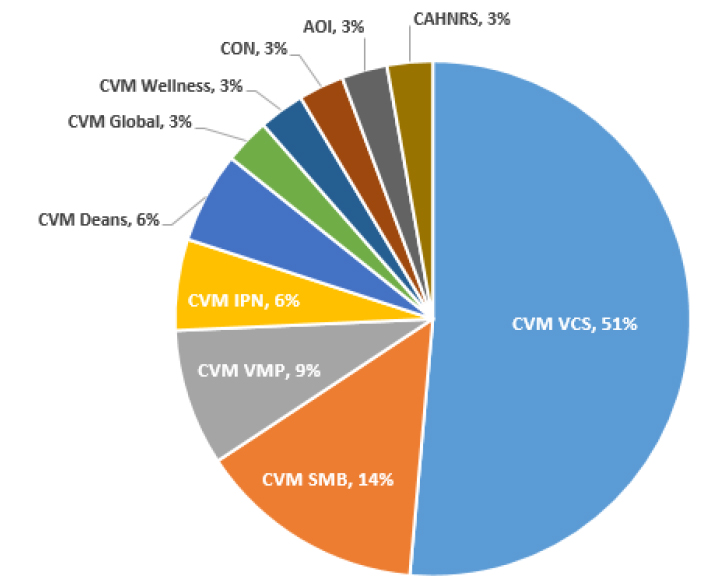
From the 3 Active Learning Communities the participants represented five departments within the College of Veterinary Medicine (CVM) and a few departments outside CVM. 51% represented the Veterinary Clinical Sciences (VCS); 14% represented the School of Molecular Biosciences (SMB); 9% represented Veterinary Microbiology and Pathology (VMP); 6% represented the Dean’s office; 6% Integrative Physiology and Neuroscience (IPN); and 15% were representing other departments within Washington State University.
Community name, day & # of participants
- Monday 10 a.m. “Cosmic Crisp” – 7
- Monday 10 a.m. “Fuji” – 5
- Monday 4 p.m. “Gala” – 6
- Monday 4 p.m. “Golden Delicious” – 6
- Wednesday 7 a.m. “Honey Crisp” – 5
- Thursday 12 p.m. “Red Delicious” – 6
Peer Observation of Teaching program
Co-leaders
Philip Mixter, PhD and Jeffrey Abbott, DVM, PhD, DACVP
Background
A primary goal of the WSU CVM Teaching Academy initiative for Peer Observation of Teaching is to foster a reflective culture for teaching improvement. This culture welcomes peer observers in a variety of instructional contexts, individualize faculty instruction-focused professional development, support educational innovations, and generate community-wide conversations about best teaching practices.
The capture of teaching quality and effectiveness can be limited in student evaluations. The peer observation program addresses these limitations by:
- Providing useful formative input to improve an individual’s teaching effectiveness
- Supporting informed experimentation and innovation (risk taking)
- Stimulating the sharing of teaching experiences and creating a comfortable environment for exploring new teaching practices
- Providing a complete and balanced summative feedback letter, that can be used for annual review and promotion portfolios
Program Overview
Educators are trained using an apprenticeship model to observe, discuss, and actively reflect on a range of teaching skills. The process provides observees with constructive feedback from a team of at least two peer observers following observations of the individual’s teaching activities (which can include lectures, laboratories, and/or clinical instruction). The interactive process follows detailed guidelines and uses standardized forms. Interactions offer opportunities for guided reflection by the observee. The process also provides an additional source of evidence about teaching engagement for annual review and promotion.
The Peer Observation Process
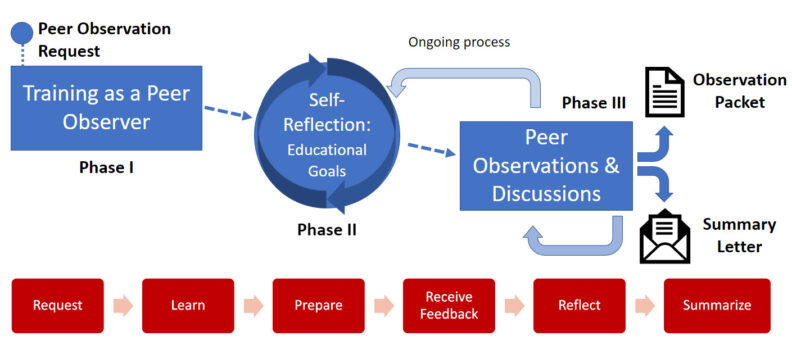
In 2024, a total of 15 peer observations were conducted: 8 in the spring semester, including 6 didactic and 2 clinical observations, and 7 didactic peer observations in the fall semester.
SPRING | Summary
| Name | Observers | Course/Clinical Rotation |
|---|---|---|
| Lais Malavasi | Jeffrey Abbott (Lead), Briedi Gillespie, Jeremiah Grissett | VM 587, Anesthesia and Analgesia (Clinical Anesthesiology) |
| Laura Williams | Philip Mixter (Lead), Yoko Ambrosini, Thomas Waltzek | VM 537, Veterinary Parasitology |
| Jeff Abbott | Jessica Bunch (Lead), Ramanathan Kasimanickam, Tina Owen | VM 534, Veterinary Immunology |
| Mara Varvil | Lynne Nelson (Lead), Steve Lampa, Nickol Finch | VM 657, Clinical Pathology rotation |
| Martin Suarez | Susan Matthew (Lead), Rachel Halsey | Simulation laboratory sessions for VM 587, Clinical Anesthesiology |
| Michela Ciccarelli | Susan Matthew (Lead), Leslie Sprunger, Laura Williams | VM571, Theriogenology |
| Tina Owen | Jeffrey Abbott (Lead), Jessica Bell, Ryan Baumwart | VM 698.19, Small Animal Emergent Surgery Service |
| Ramanathan Kasimanickam | Philip Mixter (Lead), Nicolas Villarino, Laura White | VM 597.3 Population Theriogenology |
FALL | Summary
| Name | Observers | Course/Clinical Rotation |
|---|---|---|
| Martina Ederer | Susan Matthew (Lead) & Ramanathan Kasimanickam | MBioS 303, General Biochemistry |
| Jeff Abbott | Susan Matthew (Lead), Erin Pinnell, Jennifer Sexton | VM 546, Systemic Pathology |
| Erin Pinnell | Lynne Nelson (Lead), Jessica Bell, Kristen Delevich | VM 578, Equine Medicine |
| Jennifer Sexton | Philip Mixter (Lead), Korakrit Poonsuk, Mara Varvil | VM 569, Agricultural Animal Medicine I |
| Korakrit Poonsuk | Jeffrey Abbott (Lead) & Tasha Bradley | VM 535, Veterinary Virology |
| Kristen Delevich | Leslie Sprunger (Lead), Hannah Cohen, Rachel Halsey | NEUROSCI 305, Neurons, Genes, and Behavior |
| Susan Matthew | Ramanathan Kasimanickam (Lead), Jeffrey Olivarez, Shana O’Marra | VM568, Animal Handling and Orientation; VM500, Animal, So-ciety, and the Veterinarian |
Educational Research Grant program
The College of Veterinary Medicine (CVM) Teaching Academy Educational Research Grant (ERG) Intramural program is designed to:
- Promote educational research in the WSU College of Veterinary Medicine
- Foster innovation in the college’s DVM, undergraduate, and graduate curricula
- Support teaching and learning-focused scholarship by faculty involved in the educational missions of the CVM.
Limited to $5,000 per grant annually, these grants are designed to result in a peer-reviewed publication within one year of completion date. These awards may be renewable twice, for up to 3 years of total support. Cross-college collaboration incentive: An additional $3,000 is available for proposals that feature a substantive collaboration with faculty co-investigators in the WSU College of Education or the WSU health sciences College of Medicine, Pharmacy, or Nursing.
WriteSTEM: Virtual tools to help students improve their writing skills
- PI: Dr. Philip Mixter, School of Molecular Biosciences
- CO-PIs: Dr. Martina Ederer, School of Molecular Biosciences & Michael
Dunn (COE) - Awarded: 2021-20256 ERG (no cost extension)
More than 75% of U.S. public school students struggle significantly with writing skills (National Assessment for Educational Progress; NCES, 2017); these challenges can contin-ue into their university education (Artemeva and Fox, 2011; Reiff and Bawarshi, 2011). This study is designed to help upper-division STEM students at Washington State University Pullman (MBioS 304 N=96, each fall and spring; MBioS 430 N=35, fall only) improve their writing skills (e.g., lab reports) through strategy instruction that supports writing transfer and genre awareness specifically. Drs. Mix-ter, Ederer, and Dunn will create web tools, e.g., 5-7 instructional videos explaining rubrics for writing assignments addressing the writing styles included in the genre of lab reports, supplemented short video about the features of low and high-quality exemplars.
Students in these classes can then apply the writing strategies and techniques to improve their STEM-writing skills. The research questions for this study are: what are participants’ perspectives about writing? Do participants improve with respect to writing content and quality with the use of WriteSTEM? How do instructor(s) and students evaluate the WriteSTEM approach?
Dr. Dunn developed a number of creative webtools which pilot tested during spring and fall 2020. A small number of STEM students volunteered to participate. We will develop additional genre-specific webtools and incorporate these WriteSTEM resources into the class curricula. Drs. Mixter, Ederer, and Dunn aim to make WriteSTEM part of the class writing routines for all lab sections . To further incentivize students, we can offer extra credit opportunities to encourage all students to participate . We are planning to present the data and results obtained from this study at a STEM education conference and prepare a manuscript in a STEM education journal. Ultimately, we will use the data from this study to seek additional funding from an external grant agency. All of these efforts will help identify best practices supporting writing skills development in upper-division STEM courses.
December 2024
Assessments of high school stu-dents about to enter university indicate that more than 52-75% cannot write at a basic level (e.g., National Assessment for Educational Progress, 2021; Washington State Smarter Balanced, 2021); these challenges can continue into their university education. The project’s aim was to explore participants’ perspectives about writing and determine what types of webtools could help to improve their skills. STEM instructors (n=13) and students (n=74) completed a survey about students’ writing skills, follow-up interviews (students n=6; instructors n=5), access to a se-ries of online webtools. Students were also offered live 1:1 editing feedback at a campus classroom of via Zoom. The results are in Table 1 (below). Stu-dents found writing STEM lab reports to be challenging. Use of rubrics, exemplars, and class discussions can help. Students liked the webtools and their asyn-chronous accessibility.
| Aspect of Writing | Students | Instructors |
|---|---|---|
| Planning/organizing ideas | 2.15 | 2.27 |
| Knowing what edits to make | 2.46 | 2.45 |
| Making a first draft | 2.06 | 2.45 |
| Reading their own writing | 1.82 | 2.27 |
Manuscript
The authors are now writing the manuscript for the results of this study.
Manuscript Currently Under Review: Dunn, M., Mixter, P., Ederer, M., Ledbetter, E., & Aldousari, A. WriteSTEM: Virtual tools to help students improve their writing skills. Submitted to Co-gent Education on December 18, 2024.
External Grant Awarded: April 2022 (WSU)
Awarded the Samuel H. and Patricia W. Smith Teaching and Learning Grant from the Vice Provost for Academic Engagement and Student Achievement in the amount of $5,000.00 for your proposal entitled, “ImproveWRITING: Mixed-Method Access Tools to Improve Student STEM Writing.”
The Smith project’s data collection has ended, and we are now ready to begin writing the manuscript:
Dunn, M., Mixter, P., Ederer, M., Ledbetter, E. WriteSTEM: Online videos and infographics of strategies and techniques to help undergraduate students improve STEM-writing skills. Manuscript in preparation.
- Dunn, M. (2024). Project ImproveWRITING: Under-graduate students and instructors’ perspectives on writing webtools [Poster or multi-presentation ses-sion]. Council for Exceptional Children’s 2024 An-nual Convention, San Antonio, Texas, United States.
- Dunn, M., Mixter, P., Ederer, M., Ledbetter, E., & Aldousari, A. WriteSTEM: Virtual tools to help stu-dents improve their writing skills. Manuscript sub-mitted September 30, 2023, to the Canadian Journal of Action Research.
- Mixter, P., Dunn, M., Ledbetter, E., s & Ederer, M. (2023, March 30). WriteSTEM: Virtual Tools to Help Students Improve Their Writing Skills [poster session]. Washington State University’s (Research) Showcase, Pullman, Washington, United States.
- Dunn, M., Yuan, W., s Gregory, K., s Mixter, P., Alharbi, H., s Aldousari, A. s (2023, March 2). Re-search-based solutions for struggling writers’ learned helplessness [Poster session]. Council for Exception-al Children’s 2023 Annual Convention, Louisville, Kentucky, United States.
- Dunn, M., Olson, W., & Zajic, M. (2022, October 30). SkribaTools: Web tools to help people improve their writing skills for educational and career oppor-tunities. Submitted to the Honda USA Foundation.
- Dunn, M., Yuan, W., Gregory, K., Mixter, P., Alhar-bi, H., Aldousari, A. (submitted November 9, 2022). Research-based solutions for struggling writers’ learned helplessness [Poster session]. Council for Exceptional Children’s 2023 Annual Virtual Conven-tion, Louisville, Kentucky, United States.
- Dunn, M., & Yuan, W. (2022, February 1-4). Inte-grating writing interventions into classroom practic-es: Text tools for transition-aged STEM students [Poster session]. Council for Exceptional Children Virtual Conference, Orlando, Florida, United States.
WSU Insider story, WSU-wide program focuses on writing in STEM
Professional Development Travel Grant program
The College of Veterinary Medicine Teaching Academy Professional Development Travel Grant is designed to enhance the knowledge, skills, and abilities of CVM educators in a manner that will improve teaching and learning in the college . Additional details are available on the CVM Teaching Academy internal website.
Dr. Tasha Bradley, International Veterinary Simulation in Teaching Conference (InVeST)
Report
August 28-30, 2024 – Surrey, England
InVeST is an annual conference dedicated to advancing veterinary simulation in education. Simulation-based training provides learners with hands-on opportunities to develop clinical skills, decision-making, and critical thinking in a controlled, low-stress, and highly supported environment. As a methodology, simulation has gained widespread recognition for its effectiveness in training more confident and competent veterinarians, and it plays a crucial role in the DVM curriculum at WSU CVM. Having joined the Simulation-Based Education (SBE) team in Summer 2023, attending this conference allowed me to further develop my teaching skills through focused, evidence-based scholarship.
Personal Development
The InVeST conference provided an invaluable opportunity to engage with veterinary educators and research-ers from leading institutions worldwide. Key topics of focus included:
- Teaching and assessing clinical skills in veterinary education.
- The integration of AI and virtual reality into simulation-based training.
- Innovative approaches to curriculum design for pre-clinical and clinical training.
- The development and use of simulation models, task trainers, and high-fidelity simulations to enhance student learning.
A key takeaway was learning how institutions worldwide integrate simulation into their curricula while addressing challenges such as increasing class sizes, resource constraints (e.g., cadaver availability, funding, and staffing), and standardizing assessment methodologies. Additionally, I had the opportunity to engage in discussions on best practices and foster new collaborations that I hope will benefit our DVM program in the long term.
This experience has had a direct influence on my approach to teaching, student evaluation, and curriculum development. Specific ways I have applied lessons from InVeST include:
- Curriculum Development:
- Active involvement in designing the new curriculum for VM598: Clinical and Professional Skills and VM587: Clinical Anesthesia.
- Refining content and structure for VM586: Principles of Surgery, VM502: Clinical Communications, and VM554: Small Animal Surgery & Anesthesia.
- Skill Assessments & Feedback Implementation:
- Development of pre-lab assessments, mid-term evaluations, and pre-live animal surgery assessments to enhance student preparation and performance.
- Use of high-fidelity simulations, models, and task trainers to remediate students struggling with live animal surgeries.
- Introduction of peer-to-peer review and structured feedback in VM586 and VM598 to enhance skill acquisition.
- Design and implementation of new assessment rubrics to provide structured, evidence-based feedback.
- Advocacy & Innovation:
- Promotion of a Competency-Based Skill Tracking System/Portfolio for DVM students at WSU CVM.
- Participation in the creation and refinement of new models, task trainers, and simulations to enhance clinical skill instruction.
Impact on the WSU CVM Community
Beyond my own development, attending InVeST has benefited the broader WSU CVM community by bringing innovative strategies for skill acquisition, assessment design, and simulation-based education to faculty discussions. I have shared insights from the conference through:
- Simulation-Based Education team meetings and broader faculty discussions.
- A WSU CVM Teaching Academy seminar titled “Innovative Approaches to Veterinary Clinical Skills & Simulation: Lessons from the 2024 InVeST Conference.”
- A short seminar series for the SBE team’s biweekly journal club, focusing on new models and task trainers used at other institutions.
Advancements in simulation technology are creating opportunities to reduce reliance on live animals and cadavers for teaching, a development that could have a significant impact on veterinary education at WSU CVM.
Collaborations & Future Initiatives
Attendance at InVeST has facilitated several exciting collaborations that will further enhance simulation-based education at WSU CVM, including:
- Development of new and updated models, modules, and task trainers in collaboration with SBE and CIS faculty and staff.
- A research project with SBE, Dr. Darveshi, and Vetico on a canine arthroscopy simulator.
- Collaboration with Dr. Kimberly McBride to integrate a simulated disease outbreak into her upcoming public health talk on April 4.
- Discussions on future collaborations with Dr. McBride to use virtual reality and AI in public health education for veterinary students.
- A partnership with Idaho Rescue Network to design and implement a high-fidelity disaster response simulation.
Conclusion
Attending the InVeST Conference 2024 has been an incredibly valuable experience, both for my own development as an educator and for the advancement of simulation-based education at WSU CVM. The knowledge, skills, and collaborations gained from this opportunity continue to shape my contributions to veterinary education, and I am deeply grateful for the support provided by the Teaching Academy Travel Grant.
Member promotions & awards
Promotion and tenure recognize a faculty member’s existing contributions to WSU and their potential to grow and contribute further. Four members of the Teaching Academy were promoted in 2024.
Promoted to Professor
Jeff Abbott
DVM, PhD, DACVP; Professor, Associate Chair, DVM Education, Veterinary Microbiology and Pathology
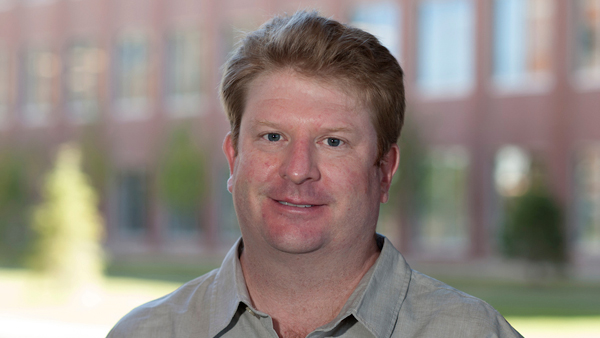
Bertrand Tanner
PhD; Professor, Center for Reproductive Biology, Integrative Physiology & Neuroscience
Promoted to Associate Professor
Sarah Guess
DVM, DACVM; Associate Professor, Small Animal Internal Medicine, Veterinary Teaching Hospital, Veterinary Clinical Sciences
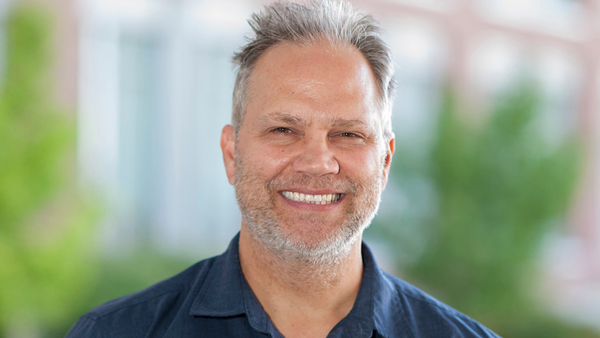
John Hinz
PhD; Associate Professor, School of Molecular Biosciences
Regional Teaching Academy Teaching Awards
Educational Service Award
Recognizes individuals who have had a significant impact in veterinary and biomedical education by facilitating, supporting or instituting best educational practices and/or policies at the local, regional or national level.
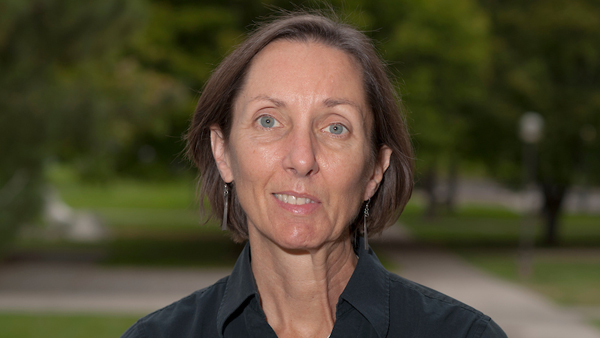
Leslie Sprunger
Associate Dean for Professional Programs, College Administration, Integrative Physiology and Neuroscience
Educational Innovation Award
Recognizes individuals who have created and employed inno-vative strategies that have engaged and supported student learning.
Jeff Abbott
DVM, PhD, DACVP; Professor, Associate Chair, DVM Education, Veterinary Microbiology and Pathology
College of Veterinary Medicine Awards
Westcott Excellence in Clinical Teaching Awards
Dr. Richard Westcott was a highly respected parasitologist and much loved teacher at the WSU College of Veterinary Medicine. Started in 1994 to honor Dr. Westcott, a goal of the award is to recognize WSU College of Veterinary Medicine clinical faculty who provide outstanding teaching and mentoring during clinical rota-tions.
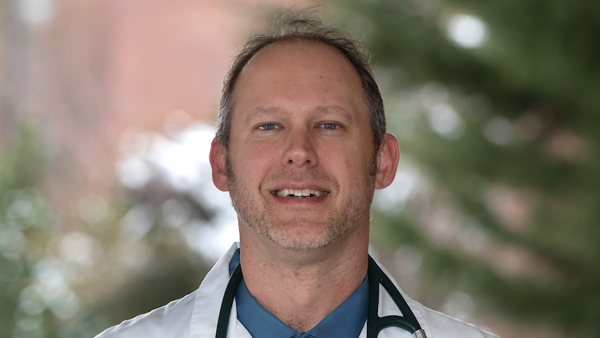
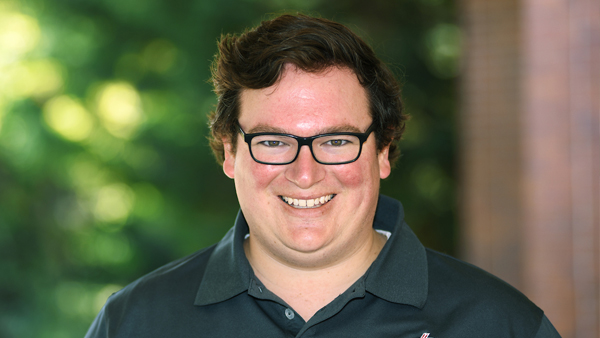
Matthew Mason
Assistant Professor, Community Practice, Veterinary Clinical Sciences, Veterinary Teaching Hospital
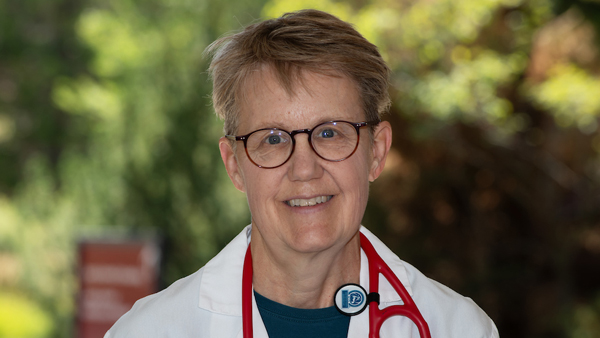
Jeffrey Olivarez
Assistant Professor, Agricultural Animal, Veterinary Clinical Sciences, Veterinary Teaching Hospital
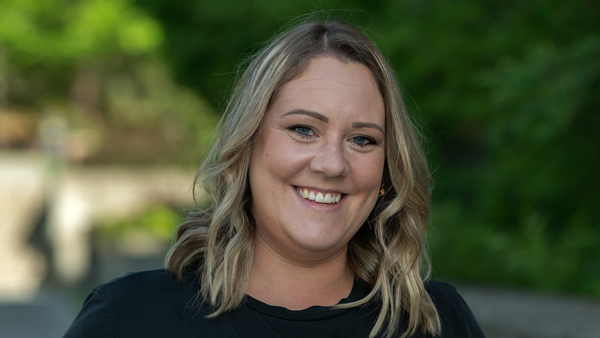
Bonnie Campbell
Professor, Soft Tissue Surgery Small Animal, Veterinary Clinical Sciences, Veterinary Teaching Hospital
Excellence in Preclinical Teaching Award
Presented to a faculty member who demonstrates excellence in character, leadership, and teaching in preclinical Years 1 and 2 of the veterinary curriculum.
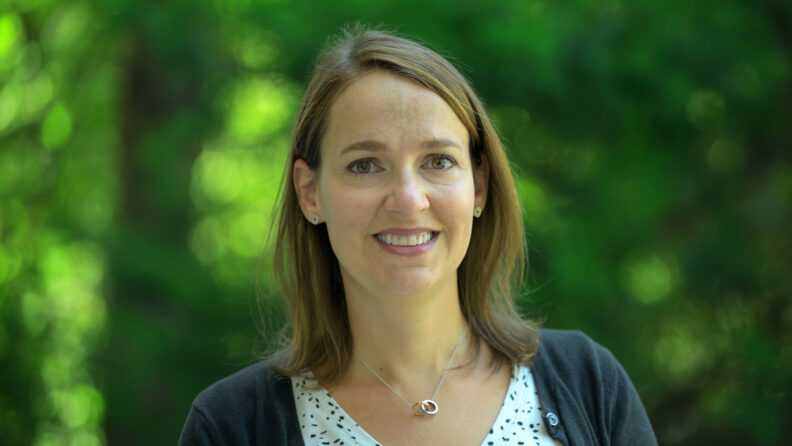
Steve Lampa
Associate Professor, Integrative Physiology & Neuroscience
Jerry Newbrey Teaching Award
Dr. Jerry Newbrey was an exceptional and much beloved professor who taught anatomy and histology at the WSU College of Veterinary Medicine. Jerry was passionate about students and teaching and famous for his creativity in the classroom and sense of humor. Jerry left his mark on all who knew him – students, colleagues, and the college. This award was initiated to honor his memory and to recognize an increased number of College of Veterinary Medicine faculty who provide excellent teaching in WSU’s pre-clinical DVM curriculum.
Conference presentations & meetings
Teaching Academy members disseminated the initiatives, programs, and outcomes of the Teaching Academy through conference presentations and meetings during the year. This gives others the chance to learn from what we are doing in the Teaching Academy and choose what they would like to implement to elevate teaching practices in their own college.
| Member | Date | Presentation |
|---|---|---|
| Susan Matthew | April 11, 2024 | Enhancing Teaching Through Peer Observation and Coaching Feedback Based on Standardized Instruments, Podium presentation at the American Association of Veterinary Medical Colleges Annual Conference, Washington, DC (90 participants) |
| Susan Matthew, Jeff Abbott, Rachel Halsey, and Phil Mixter | July 5, 2024 | Enhancing Teaching Skills Through Collegial Peer Observation and Coaching, Workshop presented at the Interna-tional Veterinary Education Symposium 2024 in Dublin, Ire-land (31 participants) |
| Susan Matthew | August 1, 2024 | Enhancing Teaching Skills Through Collegial Peer Observation and Coaching: You Make a Difference, Workshop presented for the Lincoln Memorial University CVM Faculty Workshop, virtual (70 participants) |
| Susan Matthew | September 16, 2024 | Preparing for Faculty Promotion, Workshop presented for the Mentor Program for the American Association of Veteri-nary Medical Colleges Primary Care Veterinary Educators, vir-tual (16 participants) |
| Susan Matthew | October 24, 2024 | Increasing the Value of Peer Observation of Teaching, Kansas State University Departmental Peer Review of Teach-ing Task Force, virtual (6 participants) |
Members & Affiliates
- Susan Matthew (Director), BVSc, BSc(Vet)(Hons), PhD
- Jeffrey Abbott, DVM, PhD, DACVP
- Yoko Ambrosini, DVM, MPVM, PhD, DACVIM (SAIM)
- Suzanne Appleyard, PhD
- Ryan Baumwart, DVM, DACVIM (Cardiology)
- Jessica Bell, DVM
- Jessica Bunch, DVM
- Tasha Bradley, BVetMedSci, BVM, BVS
- Bonnie Campbell, DVM, PhD, DACVS
- Julie Cary, DVM, MS, DACVS
- Michela Ciccarelli, DVM, PhD
- Hannah Cohen, DVM
- William Davis, PhD
- Emily Davies, MSN, BSN
- Iwona Driskell, PhD, MS
- Chrissy Eckstrand, DVM, PhD
- Martina Ederer, PhD
- Kelly Farnsworth, MSDVM, DACVS
- Raelynn Farnsworth, DVM
- Suzanne Fricke, DVM, PhD
- Peter Gilbert, BVSc, MVSc, MAN-ZCVS, DACVS (Small Animal)
- Briedi Gillespie, PhD
- Samantha Gizerian, PhD
- Lisa Gloss, PhD
- Jeremiah Grissett, PhD
- Sarah Guess, DVM, MS, DACVIM (SAIM)
- Jillian Haines, DVM, MS, DACVIM (Int. Med)
- Gary Haldorson, DVM, PhD
- Rachel Halsey, DVM, GradCert (EdRes)
- Cynthia Haseltine, PhD, MS
- Babiche Heil, DVM, MS, Dipl. ACT
- Consetta Helmick, PhD
- John Hinz, PhD
- Heiko Jansen, PhD
- Ramanathan Kasimanickam, DVM, DACT
- Christie Kittle
- Karen Kline, DVM, DACVIM (Neurology)
- Steve Lampa, PhD
- Mary Sanchez Lanier
- Rocky Lucas, MS
- Christopher Mandella
- Jonathan Manwaring
- Martin Maquivar, PhD
- Alyssa Marre,, DVM
- Linda Martin, DVM, MS, DACVECC
- Matthew Mason, DVM
- Norah McCabe, PhD
- Craig McConnel, DVM
- Robert Mealey, DVM, PhD, DACVIM
- Philip Mixter, PhD
- Reda Mohamed, BSc, PhD
- Benjamin Moreledge-Hampton, PhD
- Lynne Nelson, DVM, MS, DACVIM (Internal Medicine, Cardiology)
- Shana O’Marra, DVM, DACVECC
- Erika Offerdahl, PhD
- Jeffrey Olivarez, DVM, MS
- Mary Packer
- Matthew Peck, PhD
- Tania Perez, DVM, MS
- Erin Pinnell, DVM, MS, DACVIM
- Korakrit Poonsuk, DVM, PhD, DACVM
- Emma Rovani-Rhoades, DVM
- Todd Sabato, PhD, CHES
- Jennifer Sexton, DVM
- Dana Shaw, PhD
- Leslie Sprunger, DVM, PhD
- Chelsea Sykes, DVM
- Bert Tanner, PhD
- Kyle Taylor, DVM, PhD, DACVP
- Mara Varvil, DVM, MSc, DACVP (Clinical)
- Jenna Waltzek, DVM
- Thomas Waltzek, DVM, PhD
- Jane Wardrop, DVM, MS, DACVP
- Jennifer Watts, PhD
- John Wenz, DVM, MS
- Laura White, DVM
- Laura Williams, DVM, PhD
- Eric Winzenried
- Cassondra Yarlott
Regional Teaching Academy
The Regional Teaching Academy (RTA) was established in 2012 to identify, share, and leverage expertise across the seven institutions in the Consortium of West Region Colleges of Veterinary Medicine. The RTA supports the development and implementation of best practices and scholarship in veterinary medical education.
Membership in the Consortium Teaching Academy is by nomination, and is a recognition of commitment to and excellence in teaching-related activities. Potential new members are nominated to a three year term by current RTA Fellow or the Dean of a member institution. Fellows are expected to be actively engaged in the mission of the RTA, which is to serve as a working group for the benefit of educators at all of the Consortium member institutions.
WSU committee members: Heloisa Rutigliano, Raelynn Farnsworth, Samantha Gizerian, Briedi Gillespie, Sarah Guess, Susan Matthew, Tania Perez Jimenez
The group comprises the subcommittees below.
VETS Fundamentals and VETS Selectives: In February 2024, VETS Fundamentals was presented as a 1.5-day workshop at MidWestern University, in conjunction with the RTA Winter meeting. Members of the VETS Fundamentals team also presented on the history of the VETS Fundamentals workshop and the newly-developed “Incorporating Artificial Intelligence into Course Design and Planning Artificial Intelligence (AI)-Powered Education: Leveraging AI for Constructive Alignment” module at the International Symposium of the Veterinary Schools Council conference (VetEd 2024) in Dublin, Ireland in July. VETS Selectives presented a Veterinary Education Research Workshop in June 2024 at Colorado State, and plan to present this again as a pre-conference workshop at the 2025 Summer Biennial Conference.
Clinical Teaching: At the Winter Meeting, plans were set for a 2025 clinical teaching workshop, building on the 2023 Biennial Summer Meeting’s themes of clinician well-being, active learning, and formative feedback. Discussions with the Wellness Committee explored joint initiatives on wellness, AI-assisted feedback, and case-based teaching. The 2023 OSU Workshop reinforced structured feedback and learner engagement. Moving forward, the CTC will integrate emerging technologies, support faculty resilience, and enhance collaboration to improve clinical education.
Student Assessment: Developed and piloted a survey aimed at gauging veterinary educators’ use of assessment as well as barriers and desires they have in their use of assessment. In the Spring of 2025, the subcommittee plans to send the survey to all RTA member institutions and ask for leadership, faculty, and academic support staff to respond. We are hosting a workshop at the RTA Biennial Conference at WSU, where we will both share the results of the survey and facilitate an activity designed to provide direction on future initiatives. Doing this allows our subcommittee to rely on data-informed decision making and the collaborative efforts of those attending the workshop to prioritize our efforts going forward.
Educator Wellbeing: Continued working on the results of the educator well-being initiative from 2022. The results from the Maslach Burnout Inventory, Professional Quality of Life, and Areas of Work Life surveys were presented at the VetEd in summer 2024. The initiative is working on designing and implementing a happiness challenge in Spring 2025, as well as working with the VETS: Clinical Teaching initiative on a collaborative project to promote well-being in the clinical arena.
WSU committee members: Jeffrey Abbott, Philip Mixter, Sarah Guess, Steve Lampa, Susan Matthew
Four promotion/review packets were reviewed and are pending news. Additionally, from 2018-2024, 21 faculty partici-pated and were successfully promoted. Our group’s work was recognized by the AAVMC for potential integration of our rubrics and process in credentialing by the Academy of Veterinary Educators and in Distinguished Teaching Award selection to streamline submissions using our Educator’s CV. Our group had an extremely productive Winter Meeting in January 2025 using generative AI to assist with development of a workshop for the 2025 Biennial Confer-ence on Teaching Portfolios and to enhance our Veterinary Educators Rubric used in packet review
WSU committee member: Jillian Haines
This working group has finalized the teaching effort calculator that will be available for download to any institution. The teaching effort calculator is designed to capture time dedicated toward teaching efforts while also integrating com-ponents of quality of teaching. It is purposely modifiable to accommodate unique requirements at different institu-tions. Current efforts are directed toward data collection from user groups to validate the instrument with the intent to publish in the Journal of Veterinary Medical Education.
WSU Committee Members: Samantha Gizerian
In 2024 the Fellows Committee renamed themselves to better reflect that the committee is engaged with the individuals that make up the RTA (the Fellows) rather than the institutions that sponsor it (the Members). The committee also for-malized two subcommittees to enhance the focus of our work: the Application Review subcommittee which will focus on new and renewing fellowship applications, and the Partners in Education (PIE) subcommittee, which is focused on helping new Fellows engage with the RTA. The PIE coordinated short 3-minute, standardized presentations to serve as an introduction to that committee.
WSU Committee Members: Jillian Haines, Sarah Guess, Rachel Halsey
The theme of the 7th Biennial Conference will be “ Making Teaching Matter: Empowering Educators to Navigate Challenges and Foster Success”. Our first keynote speaker will be Dr. Katherine Fogelberg, DVM, PhD, and author/editor of “Educational Principles and Practice in Veterinary Medicine” delivering three sessions within the 3 day con-ference entitled: “Encouraging agility and adaptability in veterinary medical education”, “Why active learning and how to incorporate it into your teaching” and “Qualitative research in veterinary education”. Additionally, Dr. Lauren Grid-er, DVM, MA, ALC, NCC, CCFP will be delivering two sessions entitled “The Perfectionism Problem” and “Building Better Boundaries”. The conference will include workshops delivered by the RTA Initiative groups as well as educa-tional scholarship and teaching innovation presentations. Pre-conference, the Faculty Development Initiative will de-liver their workshop on educational research.
WSU Committee Members: Samantha Gizerian & Susan Matthew
The steering committee is focusing on communication. They are working with an external website developer to im-prove the flow and function of the current RTA website and adopted the AAVMC Connect platform for membership communication. The committee is drafting a proposal to formalize the process of converting an interest group into a working group.