WSU College of Veterinary Medicine presents the 2015 McCoy Award
Congratulations to Dr. Lauren Trepanier for being awarded the 2015 John E. McCoy Award, which is given to an outstanding worker in the field of clinical veterinary medicine.
Congratulations to Dr. Lauren Trepanier for being awarded the 2015 John E. McCoy Award, which is given to an outstanding worker in the field of clinical veterinary medicine.
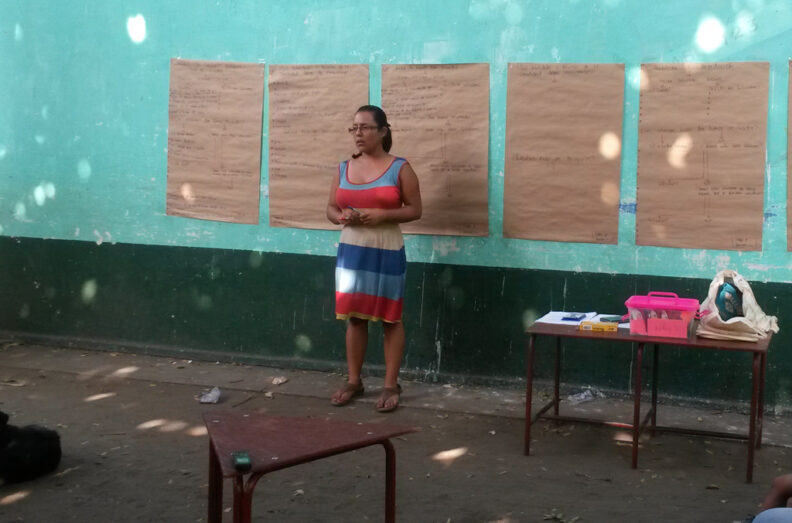
Dawn in Candelaria, the day breaks; it will be cloudless and very hot. Following a breakfast with the family I am staying with during my community-based research work on zoonotic infectious diseases, I grab my bicycle and take off to visit several village households to evaluate the backyard livestock and invite the women of the village for our monthly meeting.
The artist: fourth-year veterinary student Kristen Lucibello.
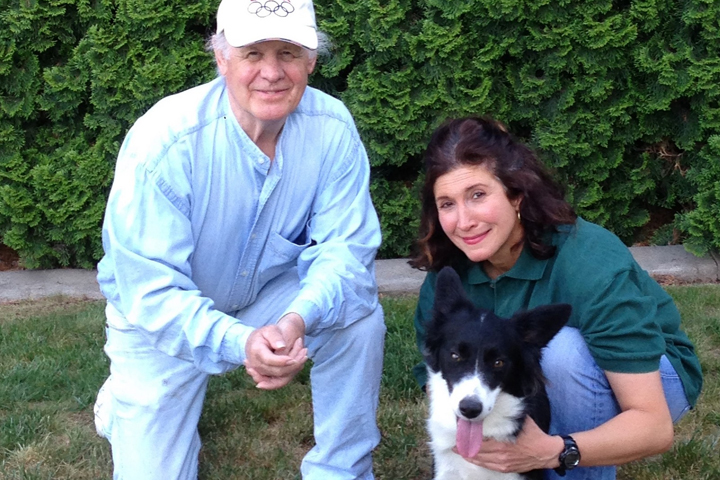
A few days after the New Year in 2014, Laurie Boukas of Richland, Washington, was walking her two Border Collies, Lucy and Connor, when she saw a Pontiac Trans Am drive by. Laurie, who had just moved to Richland a few weeks before with her husband, Nick, saw the car turn around and drive by again.
Beginning in the summer of 2015, the Paul G. Allen School for Global Animal Health is partnering with veterinary clinics and their clients to eliminate rabies as a public health problem worldwide. The goal is zero human deaths by 2030. “We are partnering with veterinary clinics around the country because together we can do more […]
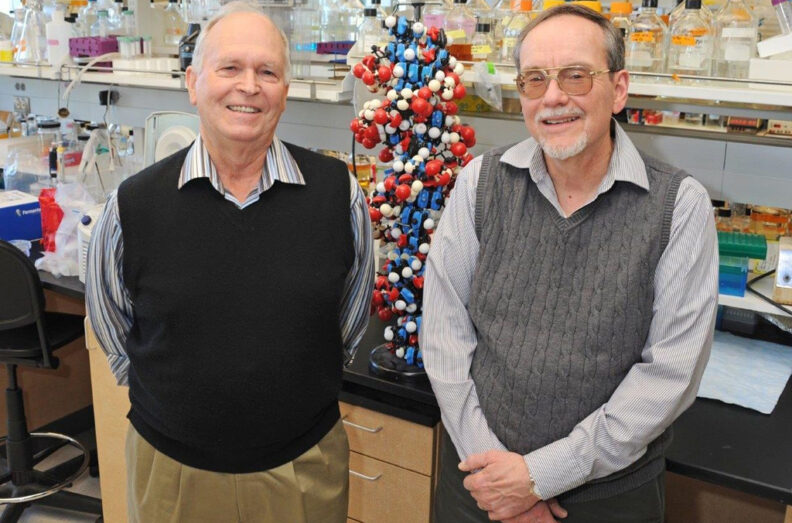
To honor Drs. Smerdon and Reeves and their long careers and innovative research on how DNA in chromatin influences basic cell functions, the School of Molecular Biosciences hosted the Smerdon/Reeves Symposium on DNA Repair in Chromatin: The First 40 years (and Beyond).
Congratulations to Drs. Patricia Hunt and Sue Ritter who were elected to the Washington State Academy of Sciences.
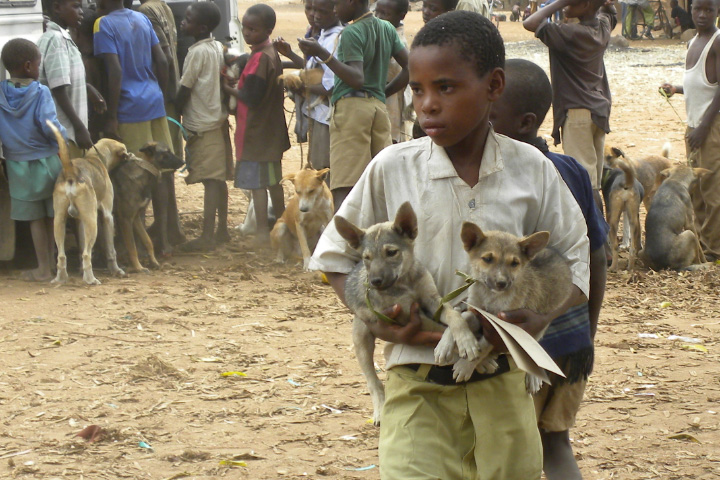
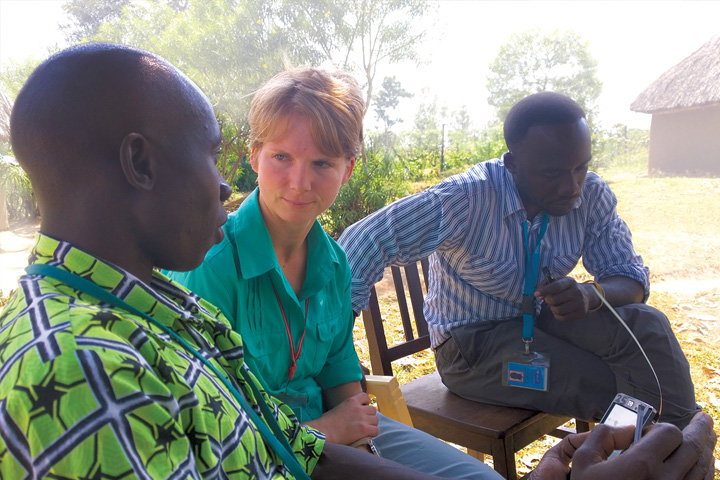
In rural Kenyan villages where few families have electricity or indoor plumbing, a surprising technology helps researchers study the health of animals and people: the cell phone.
Milestones: Significant moments in time to take stock, celebrate achievement and history, and then continue to march ahead strongly. There have been many of these recently.
In its 125th year, Washington State University celebrates the success of our largest fundraising effort to date.