Dean’s message: May 2022
I am just beginning to learn the “seasons of academic life” here at WSU.

I am just beginning to learn the “seasons of academic life” here at WSU.
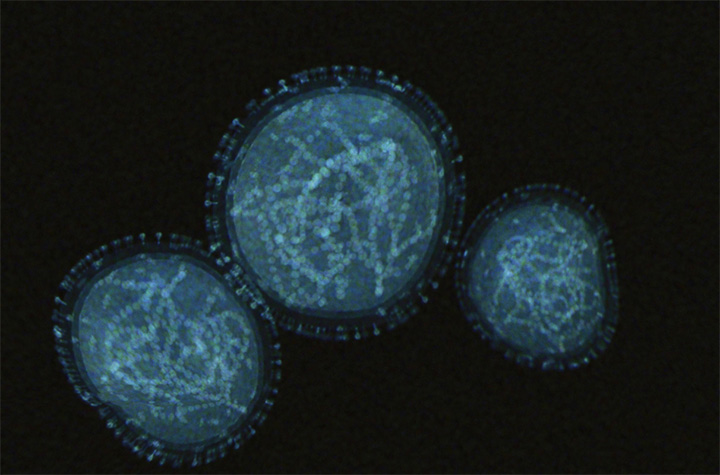
The now-confirmed case of monkeypox in the state should raise awareness of the virus, but it will not spread as easily as COVID-19, according to WSU infectious disease experts.
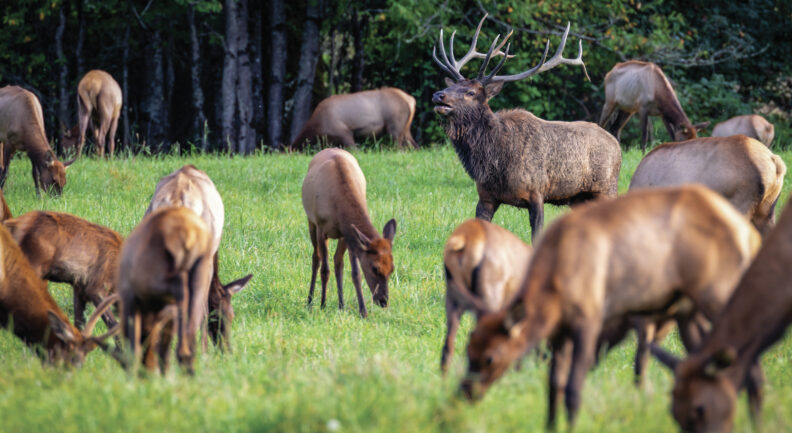
Washington State University’s College of Veterinary Medicine is working hard to identify the cause of elk hoof disease and to provide critical information to wildlife agencies since 2017.
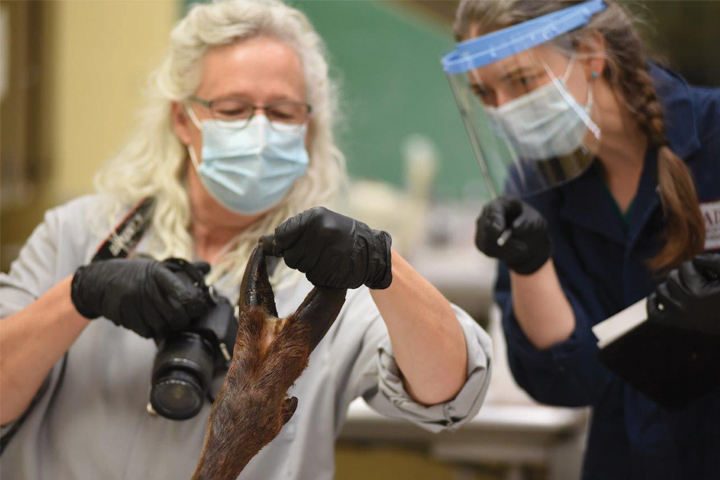
In 2017 the Washington State Legislature unanimously passed Senate Bill 5474 to designate WSU’s College of Veterinary Medicine as the state lead in developing a program to monitor and assess causes of, and potential solutions for, elk hoof disease. Read the 2021 report to the Legislature providing the most recent developments with the disease.
Dr. Engle’s gift supports a permanent faculty member with an established research program about the cause and treatment of infectious diseases in animals.

Born and raised in Havre, Montana, Tom graduated from Havre High School in 1972. In the early 1970s, he developed lymphosarcoma of the colon. In addition to removing the cancerous tumor, a splenectomy was done. In August 1974, Tom married Lynn Engleson, his friend and classmate from Havre. Tom graduated magna cum laude from Whitman […]
Ask Bea Kent of Tacoma why she chose to leave a significant gift to Washington State University’s College of Veterinary Medicine and you’ll get an answer as pragmatic as the successful businesswoman is. “I like animals,” she says matter-of-factly. Her relationship with pets began as a child in Southern California. She recalls when she was […]
The grant program provides support for junior faculty to develop research, scholarly, or creative programs that lead to sustained professional development and extramural funding.

WSU veterinarian Marcie Logsdon is part of research team collecting tundra swan feces and sediment in the Lower Coeur d’Alene River Basin in an effort to monitor levels of lead exposure.
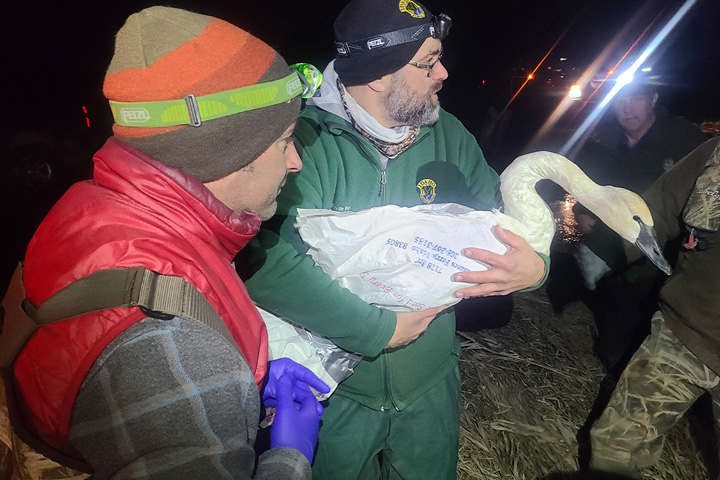
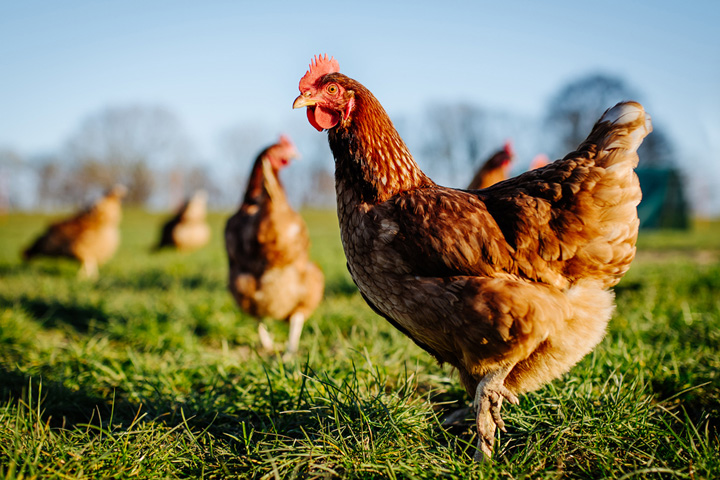
Cases of the H5N1 avian influenza virus in birds have been confirmed in Washington, and disease experts at WSU are asking the public to take measures to avoid spread.