May 2015

Freedom from the cold chain by allowing villagers to help themselves

Today the team are carrying out a WSU-funded vaccine trial* that will determine whether our hypothesis—that the rabies vaccine is still effective even when it is not stored at cold temperatures—is true.
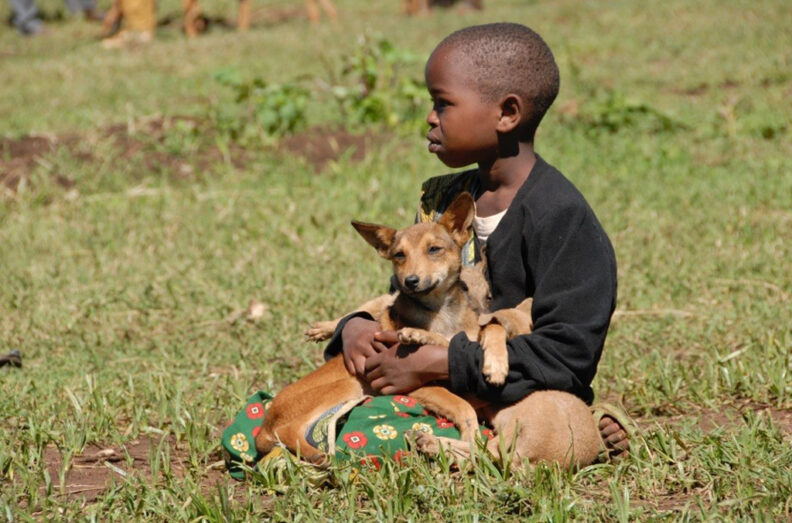
East African boy sitting in the grass with a puppy in his lap.

Message from the Dean

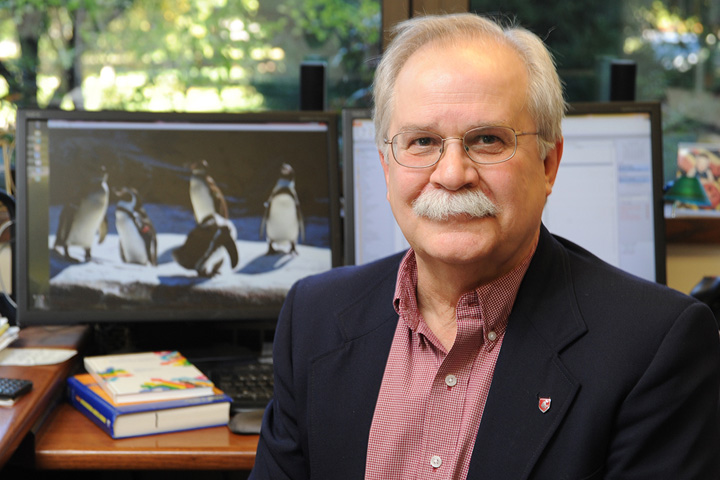
by Bryan Slinker, dean of the College of Veterinary Medicine I recently prepared a talk for the Bellevue, Washington, Breakfast Rotary. There is so much to be excited about in our college that I always risk delivering an exhaustive laundry list of good things. Do I talk about Theia, whose simultaneously heartwarming and heartbreaking story […]

Dr. Brian Slinker at his desk in Bustad Hall.

Theia: An incredible story of survival, hope, and compassion

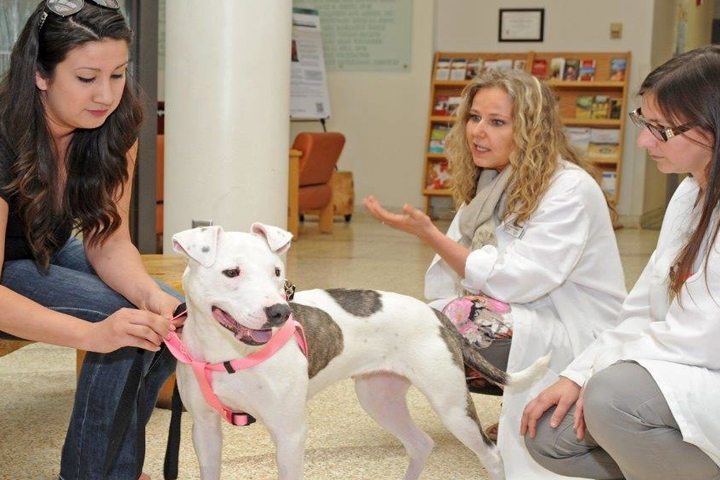
Theia, an ownerless 1-year-old bully breed mix, came to the WSU Veterinary Teaching Hospital in March after being hit by a car, bludgeoned over the head with a hammer, and then buried in a field. She returned to Pullman weeks later to have surgery on her sinuses, which were badly damaged from the blows to her head.

(l-r) Sara Mellado, Theia’s caretaker; Theia; Dr. Boel Fransson; and Dr. Jade Hardy, WSU veterinary intern.

One-of-a-kind medicine for one-of-a-kind patients

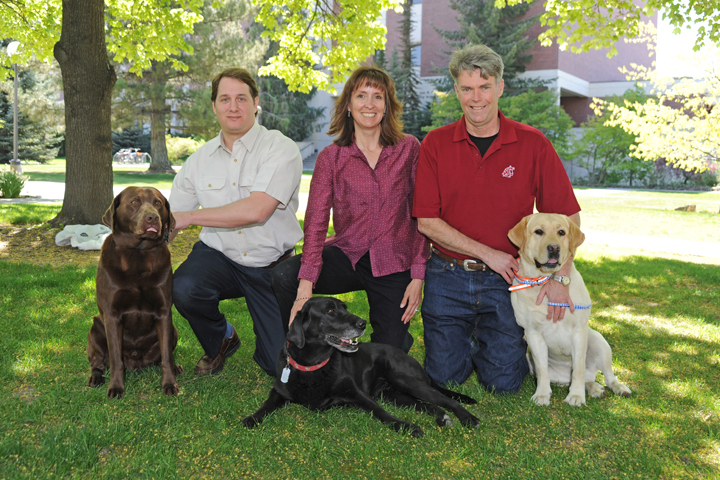
Carlee, a 7-year-old yellow lab, is a mutant. Like many of her human redheaded counterparts, Carlee has a mutation in the MC1-R gene, or melanocortin 1 receptor. The gene is responsible for producing melanin, a pigment that determines hair, or in this case, coat color.

Nicolas Villarino with a chocolate lab, Katrina Mealey with a black lab, Michael Court with a yellow lab.

Our generous alumni

When I think of our graduates, one word comes to mind—pride. I feel pride when I see them enter our program here at WSU and grow to become confident veterinarians, surgeons, and professionals when they graduate. I’m proud of them when they are hired for their first jobs, and when they succeed in their careers.