2016
Using household surveys to understand disease control
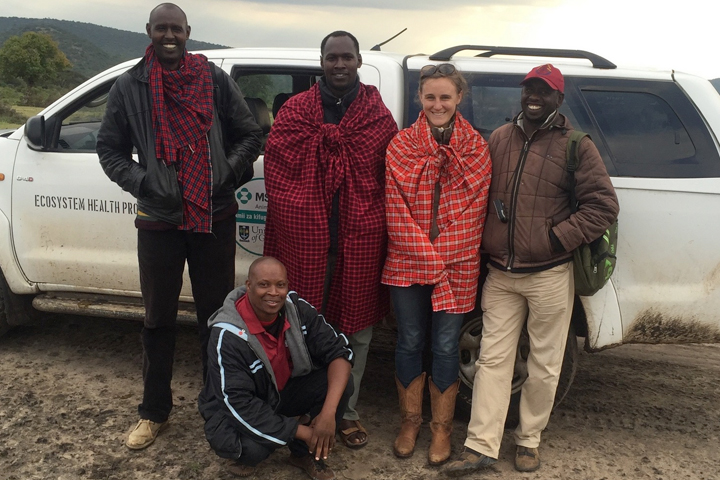
Habari za asubuhi dada (good morning sister)! It is a little before 7:00 in the morning and the survey team slowly starts appearing at my residence ready to start another day in the field. The driver helps me load the charged computers, extra batteries, backup paper surveys, the paper visual aids, GPS devices, and peanut butter and jelly bag lunches into the car. Today we have a two-hour drive to the border of Tanzania and Kenya where we will ask 25 households to complete surveys.
WSU College of Veterinary Medicine presents the 2016 Distinguished Alumni Award
Congratulations to our 2016 Distinguished Alumni Award winner, Dr. D. Scott Adams (’72 DVM, ’79 PhD) – Excellence in Teaching and Research.
Prevention of cruelty to animals
Washington State Magazine | Marvin Mackie ’63 DVM
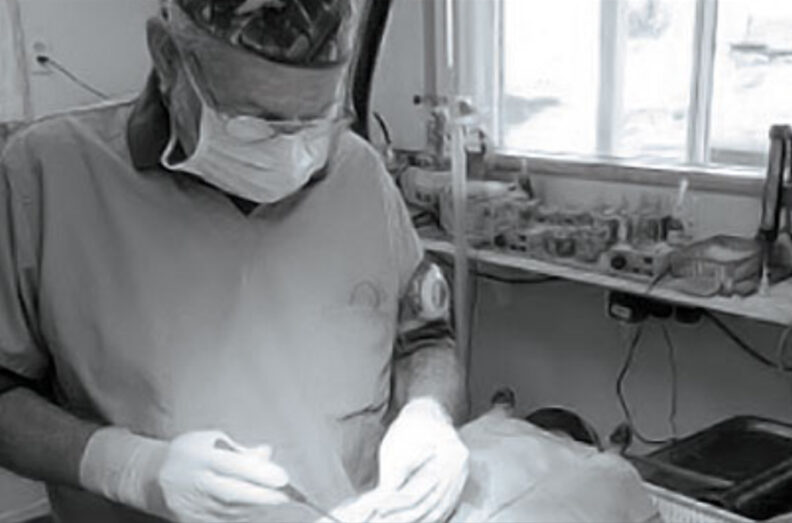
Rabies vaccine found effective even after warm storage
A Washington State University-led research team determined rabies vaccines stored at warmer temperatures still protect against the disease in dogs.
A WSU Veterinary Alumna Helps a Student Travel to Tanzania
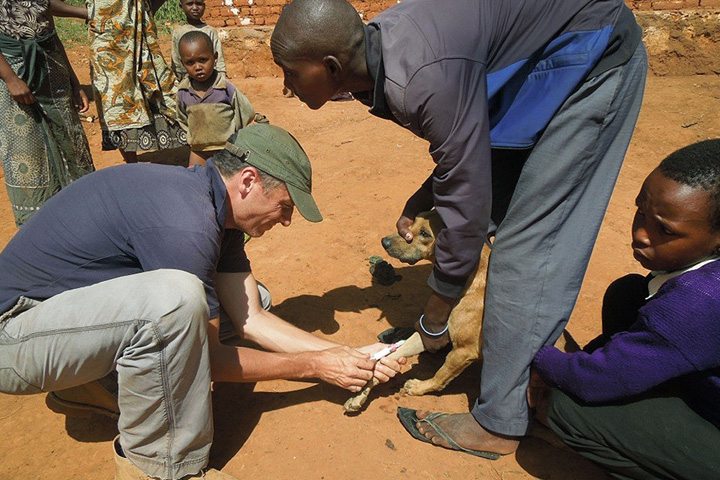
As they entered a village in Tanzania, Cassie Eakins (’16 DVM) and members of the rabies team announced over a loudspeaker that there would be a rabies vaccine clinic coming to town the next day. At another village, they tossed posters from their vehicle. Once the team started to drive away, the village children gathered them up to be posted. The next day a crowd was lined up to have their dogs vaccinated.
Past WSVMA Awards
Each year, the Washington State Veterinary Medical Association (WSVMA) honor individuals whose service has contributed significantly to the veterinary profession in Washington State.
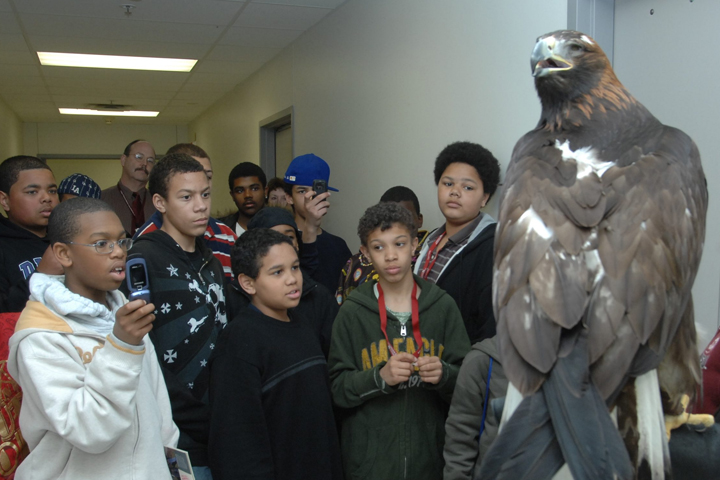
Raptor care thanks to generous donors
To be able to care for more birds, we have made extensive renovations to the raptor facility thanks to the support of the Potlatch Corporation, Avista Utilities, the WSU Raptor Club, and countless other generous donors.
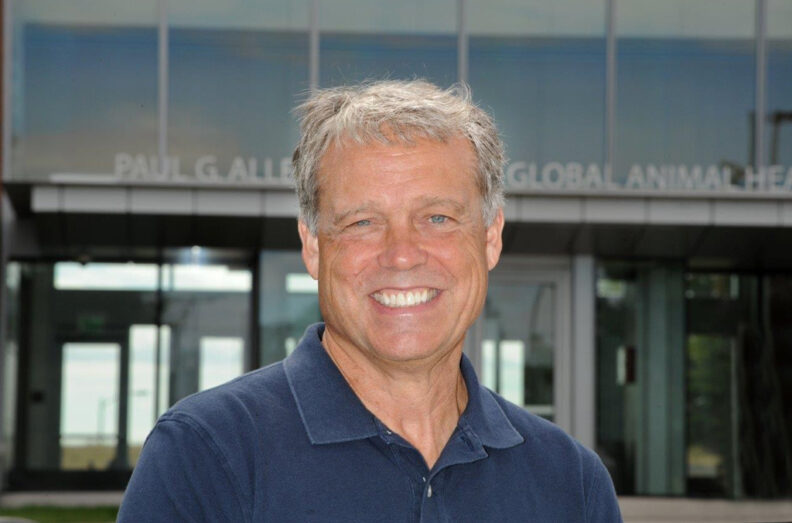
Meet the Paul G. Allen School for Global Animal Health’s new director
For the past 34 years when anyone asked me this question all I had to do was say that I was born and raised in Idaho, and it was enough to launch an entire dinner conversation. I’ve enjoyed describing to people what it was like to grow up in the west, and the fact that Idaho borders Washington and Canada, not Illinois.
Awards and achievements
Congratulations to Mushtaq Memon and Wendy Brown who retired in July 2016