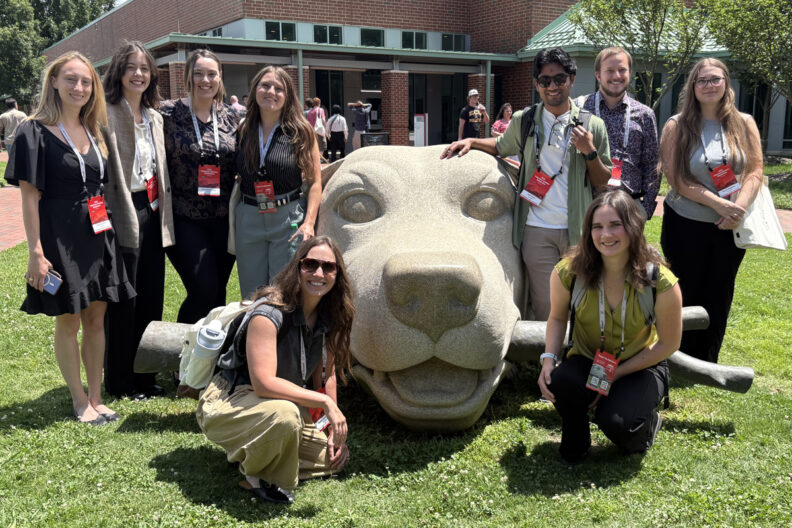
The Veterinary Student Summer Research Fellowship is a 10- to 12-week summer program designed to introduce first- and second-year veterinary students to biomedical research under the guidance of a faculty mentor.
Students gain practical research skills helping to conduct research in faculty labs and attending weekly seminars and workshops. The program concludes with a research symposium where students present their findings.
Summer 2026 featured students

Anna Blackburn
Hometown: Pateros, WA
Undergraduate degree: Animal Science (WSU)
Area of interest: Small Animal Surgery
Anna is developing and evaluating an innovative arthroscopy training model that helps veterinary residents build surgical skills and confidence before entering the operating room.
Caroline Cave
Hometown: Gig Harbor, WA
Undergraduate degree: Animal Science/Chemistry Minor (WSU)
Area of interest: Small Animal Specialty – Radiology
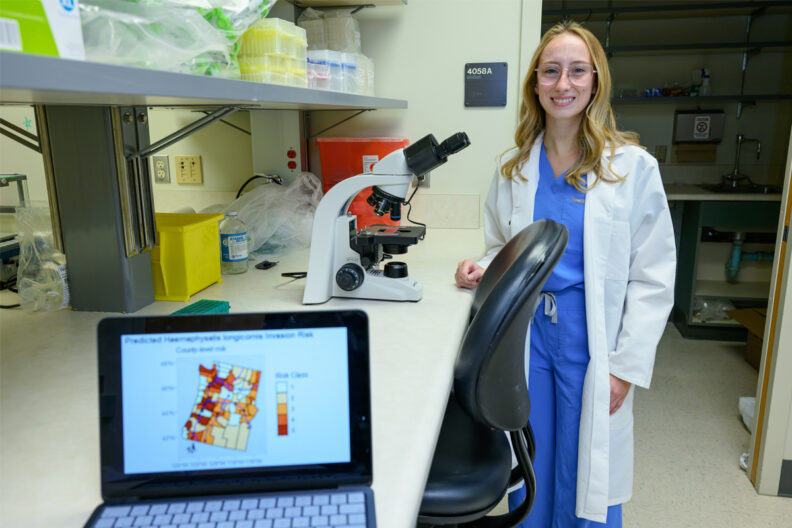
An invasive tick is expanding its range closer to the Pacific Northwest and Caroline is helping map where it could appear next. Caroline is using environmental data to identify areas across Washington that may be at risk for the spread of the Asian longhorned tick.
Lorelei Derenne
Hometown: Vancouver, WA
Undergraduate degree: Animal Sciences (WSU)
Area of interest: Small Animal Medicine, Ophthalmology, Pathology
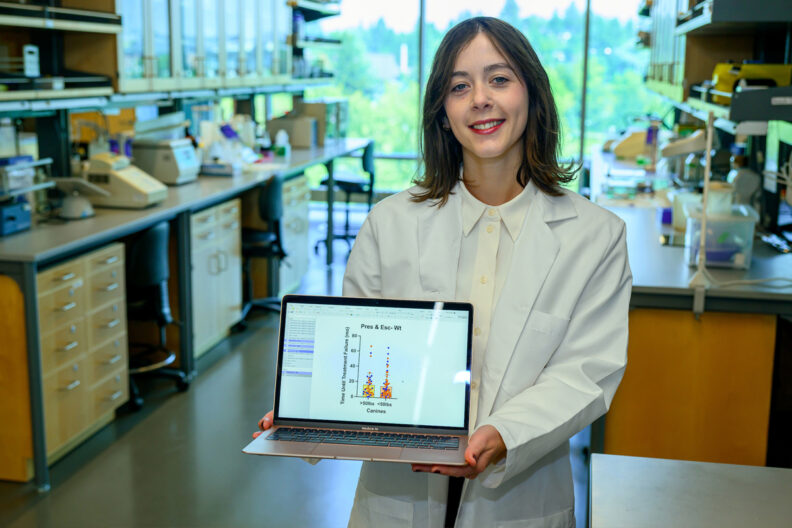
Lorelei is evaluating three commonly used medications for primary canine glaucoma — latanoprost, dorzolamide, and dorzolamide combined with timolol. She hopes to generate data on how these treatments perform in dogs with naturally occurring glaucoma.

Ari Klausner
Hometown: Las Vegas, NV
Undergraduate degree: Chemistry (University of Redlands)
Area of interest: Small Animal General Practice, Integrative Medicine
Working with Drs. Travis Brown and Giuseppe Giannotti, Ari is investigating whether hyperbaric oxygen therapy can help reduce withdrawal symptoms and lower the risk of relapse — research that could one day improve treatment options for addiction.
Hanna Meyer
Hometown: Seattle, WA
Undergraduate degree: Animal Science (WSU)
Area of interest: Undetermined
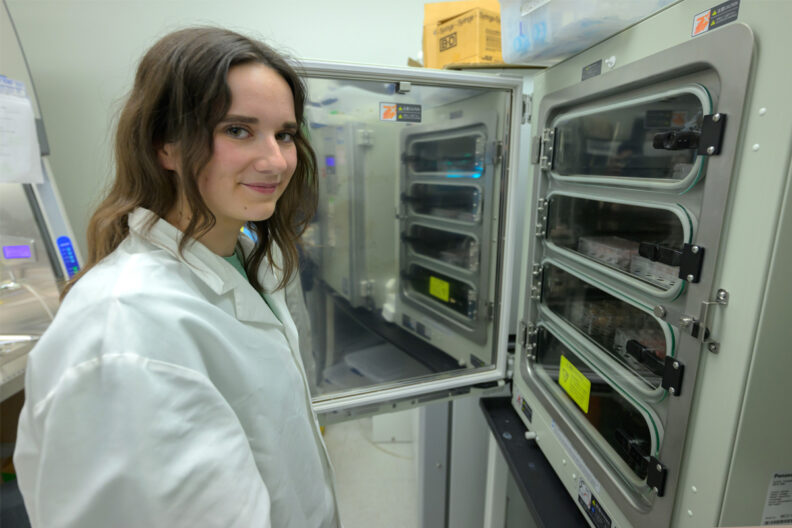
Hanna is researching how CRISPR gene-editing technology could improve cattle’s natural resistance to bovine respiratory disease: research that has the potential to advance animal health and strengthen food production.
Airyel Noguera
Hometown: Fort Lauderdale, FL
Undergraduate degree: Biology (Texas A&M)
Area of interest: Small Animal Emergency and Surgery
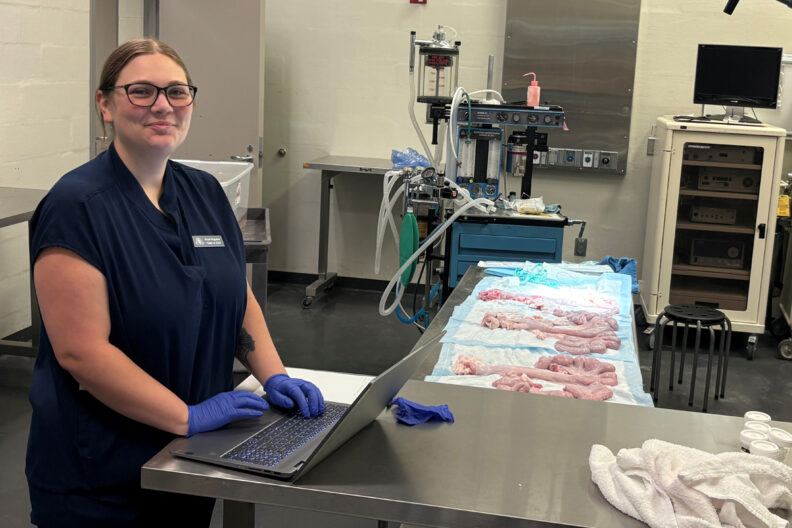
Airyel is helping improve embryo transfer techniques that support advances in veterinary and biomedical research by evaluating reproductive techniques that can increase the success of pregnancies.

Jyot Patel
Hometown: Toronto, Canada
Undergraduate degree: HBSc in Animal Physiology
Area of interest: Small Animal Internal Medicine
Jyot is exploring the canine gut-brain axis, specifically how communication between the gut and brain could influence health and disease in dogs. Jyot is gaining hands-on experience investigating an emerging area of veterinary science while building on his interest in improving the health and well-being of companion animals.
Aspen Scott
Hometown: Sunnyside, WA
Undergraduate degree: Bachelor of Arts in English
Area of interest: Mixed Animal
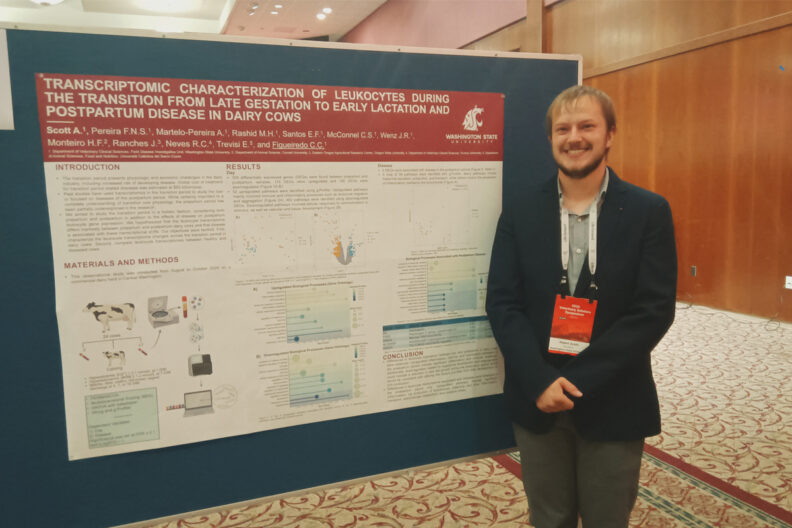
Aspen is studying how dairy cows respond to health challenges by examining changes in their immune systems at the molecular level. Aspen’s work could help researchers determine how cows respond to disease and identify ways to improve their health and productivity.
Tessa Williams
Hometown: Idaho Falls, ID
Undergraduate degree: Biology (Idaho State)
Area of interest: Mixed Animal
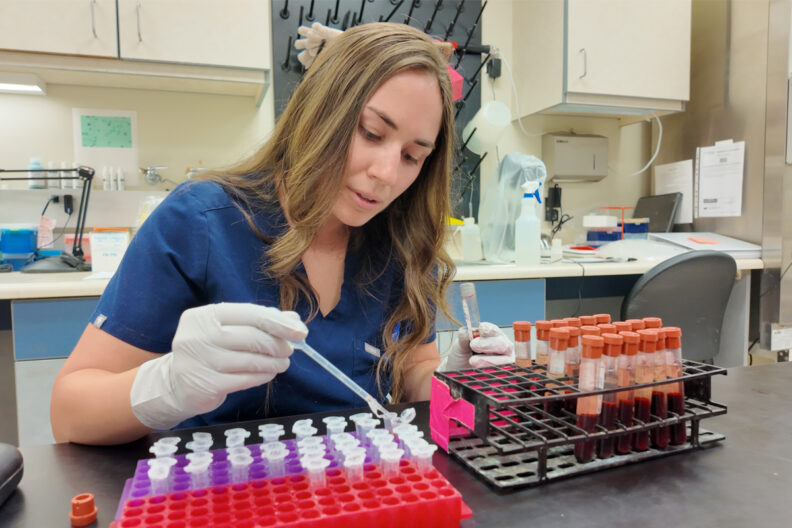
Tessa is surveilling Mycoplasma ovipneumoniae (M. ovi), a respiratory pathogen that affects sheep and can also be found in wild bighorn sheep. Tessa’s research at the livestock-wildlife interface is helping researchers understand how this pathogen moves between domestic and wild animal populations.