Our influence
The College of Veterinary Medicine Teaching Academy was founded in 2010 and has since grown to offer a wide variety of professional development opportunities. Its vision is to be an inclusive community of educators advancing teaching excellence, educator career development, and educational scholarship in the college.
The CVM Teaching Academy offers a range of activities throughout the year in service of its vision, including seminars, workshops, learning communities, peer observations of teaching and informational meetings. By engaging with these opportunities, educators are better prepared to meet the changing needs of the higher education environment.
The focus of our events throughout the year varies based on the needs and interests of our members. In this report you will hear about the events offered in 2024. These events were attended by a total of 195 unique faculty, staff, and students from the College of Veterinary Medicine, broader WSU and beyond. Many of these attendees contributed to more than one event across the year. Through these combined and collective efforts by the overall CVM Teaching Academy learning community, we have positively impacted our college and campus both directly and indirectly at multiple levels.
| Event | 2025 | 2024 | 2023 | 2022 | 2021 | 2020 | 2019 | 2018 | 2017 | 2016 | 2015 | 2014 | 2013 | 2012 |
|---|---|---|---|---|---|---|---|---|---|---|---|---|---|---|
| Seminars & Panel Discussions | 15 | 8 | 16 | 3 | 5 | 10 | 11 | 16 | 19 | 16 | 9 | 16 | 19 | |
| Workshops | 21 | 15 | 14 | 4 | 6 | 7 | 4 | 6 | 3 | 10 | ||||
| Guest Speakers | 6 | 3 | 9 | 5 | 4 | 4 | 10 | 2 | ||||||
| Book Club | 20 | 10 | 17 | 17 | 17 | 13 | ||||||||
| Teaching Toolkits | 7 | 7 | 8 | 6 | 3 | 6 | 8 | 9 | 9 | |||||
| TA Learning Communities | 66 | 48 | 37 | 12 | 6 | 9 | 27 | 29 | 4 | 3 | ||||
| Webinars | 1 | 1 | 8 | 7 | ||||||||||
| Nat'l Acad. Summer Institutes Worshop | 2 | 2 | ||||||||||||
| New Faculty Development | 12 | 13 | 4 | |||||||||||
| Job Candidate Meetings | 11 | 14 | 9 | 7 | 4 | 10 | 14 | 5 | 7 | 13 | 16 | 25 | ||
| Grad Students as Educators | 7 | 7 | ||||||||||||
| Peer Observation Series | 4 | 3 | 8 | 7 | 1 | 2 | 4 | 7 | 1 | |||||
| Other | 13 | 4 | 1 | |||||||||||
| Total | 122 | 102 | 84 | 73 | 17 | 23 | 45 | 55 | 59 | 104 | 105 | 77 | 38 | 45 |
New member & affiliates
Celebrating our community
- Alasdair Botting, BVSc; Lecturer, Equine Medicine, Veterinary Clinical Sciences
- Lexi Botting (Schlamp), DVM; Lecturer, Simulation Based Education, Veterinary Clinical Sciences
- Riley Claude, BVM&S, MS; Assistant Professor, Small Animal Internal Medicine, Veterinary Clinical Sciences
- Cassidy Cordon, DVM; Assistant Profes-or, Community Practice, Veterinary Clinical Sciences
- Tryssa de Ruyter, VMD; PhD Student, Microbiology Resident; Advisor: Dr. Claire Burbick, Veterinary Microbiology & Pathology
- Sandra Diaz Yucupicio, MVZ; Assistant Professor, Equine Medicine, Veterinary Clinical Sciences
- Andreas Eleftheriou, DVM, MS, PhD, MPH, DACVPM; Assistant Professor, Veterinary Microbiology & Pathology
- Christine Haake, DVM; Anatomic Pathology Resident, PhD Student; Advisor: Dr. Anthony Nicola, Veterinary Microbiology & Pathology
- Christine Hayes, BSN, MN; Teaching Assistant Professor, College of Nursing
- Amy Petersilie Heile; Student Accommodations Specialist, Washington State University
- Natasha Hottmann, DVM, DACVS (SA); Assistant Professor, Small Animal Orthopedic Surgery, Veterinary Clinical Sciences
- Alyssa Maine, MS; Interdisciplinary Doctoral Student Educational Psychology, Biomedical Sciences, Communica-tion, WSU Graduate School
- Jonathan Miller, DVM, PhD, DACVP; Assistant Professor, Pathologist, Veterinary Microbiology & Pathology
- Hussnain Rashid, DVM; PhD Student; Advisor: Dr. Craig McConnel, Field Disease Investigation Unit, Veterinary Clinical Sciences
- Andrea Rediske, PhD; Assistant Professor, School of Molecular Biosciences
- Lela Remington, DVM; Veterinary Resident, Small Animal Internal Medicine, Veterinary Clinical Sciences
- Wesley Sheley, DVM, PhD, DACVP; Assistant Professor, Pathologist, Veterinary Microbiology & Pathology, Washington Animal Disease Diagnostic Laboratory
- Rubia Tomacheuski, DVM, PhD; Assistant Professor, Anesthesiology, Veterinary Clinical Sciences
- Arno Werners, MEd, DVM, PhD, DECVPT; Associate Dean for Professional Programs, College Administration
Interested in becoming a College of Veterinary Medicine Teaching Academy member? Email Dr. Susan Matthew or Dr. Rachel Halsey.
Steering Committee
The CVM Teaching Academy Steering Committee is comprised of representatives from across the teaching activities of the CVM. The responsibilities of the Steering Committee members are to: contribute to strategic and operational plans and decisions; solicit ideas and feedback from their liaison groups; invite educators to join the Teaching Academy; promote Teaching Academy events and opportunities to their groups; and identify and invite innovative presenters and new contributors for activities.
Teaching Academy Director
Liaison for Wellness team, DVM Associate Chairs
Susan Matthew
PhD, BVSc, BSc(Vet)(Hons)
Berger Keatts Distinguished Professor
Associate Chair of Veterinary Medical Education, Veterinary Clinical Sciences
Associate Dean of Faculty Programs & Teaching
Liaison for Associate Deans for undergraduate, DVM, postgraduate programs; Ad hoc faculty
Peer Observation of Teaching Program
Liaison for observees, peer observation team leaders and members
Jeffrey Abbott
DVM, PhD, DACVP
Assistant Dean, Professional Students
Associate Chair, Veterinary Medical Education
Professor, Veterinary Microbiology & Pathology
Undergraduate teaching
Liaison for teachers for undergraduate classrooms, labs, capstone projects etc.
DVM classroom and lab teaching
Liaison for teachers for DVM classrooms, labs, SBE, etc.
DVM clinical teach co-representatives
Liaisons for teachers in the VTH, including faculty, house officers, veterinary technicians, and staff
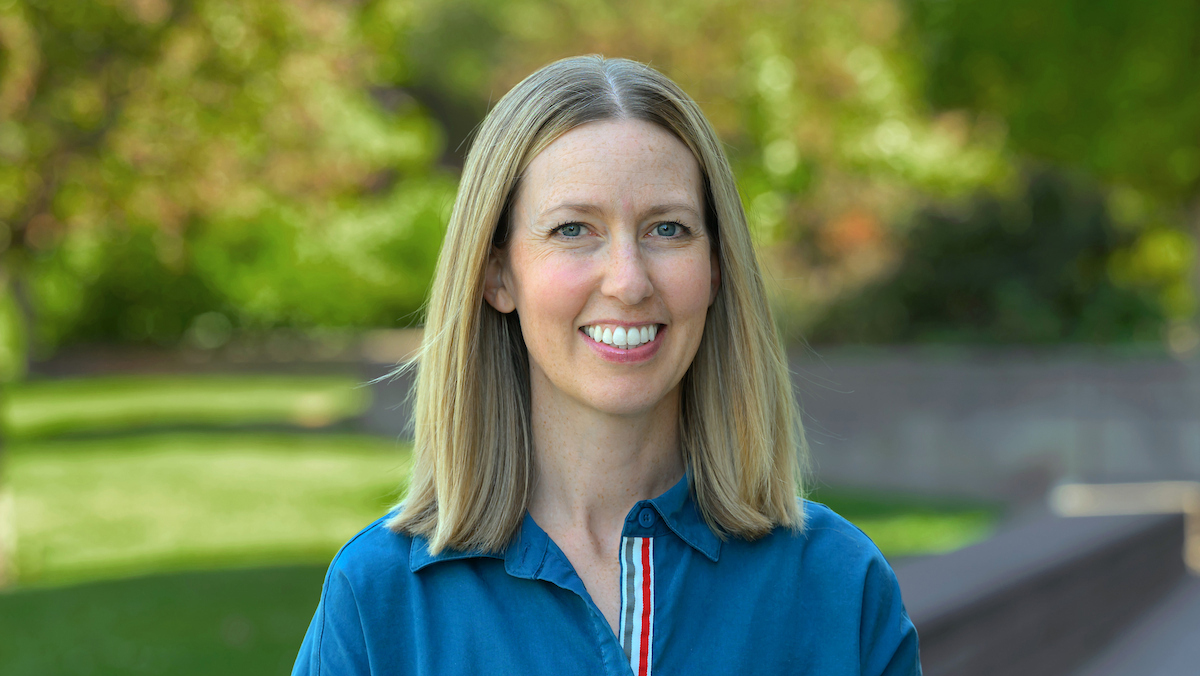
Sarah Guess
DVM, MS, DACVIM
Asscociate Professor, Small Animal Internal Medicine, Veterinary Clinical Sciences
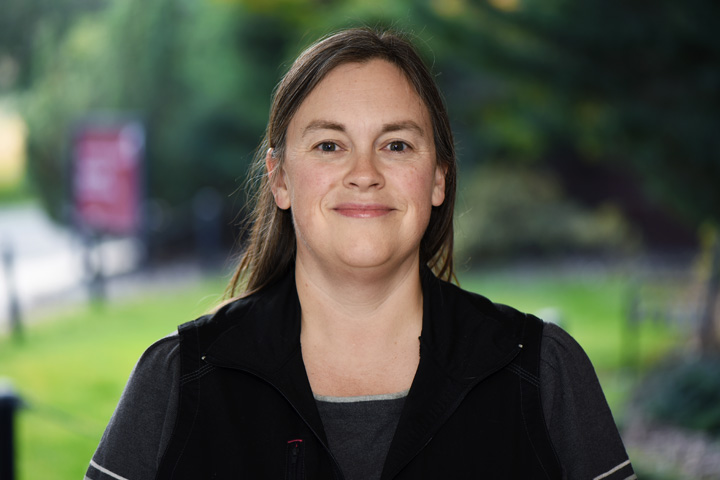
Jessica Bunch
DVM
Associate Professor, Integrative Veterinary Medicine, Veterinary Clinical Sciences
Postgraduate teaching co-representatives
Liaisons for teachers and learners in graduate programs
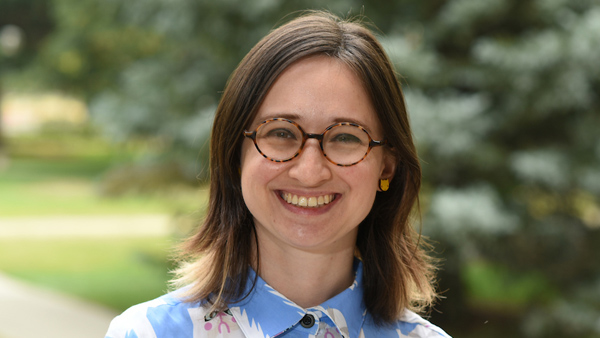
Hannah Cohen-Rodriguez
DVM, MS, DACVP
Assistant Professor, Clinical Pathology, Veterinary Clinical Sciences
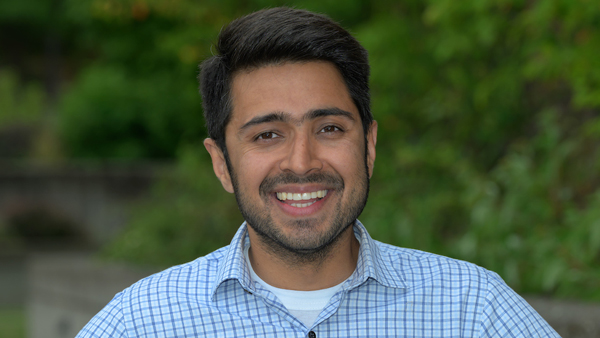
Hussnain Rashid
DVM, PhD Student
Advisor: Dr. Craig McConnel, Field Disease Investigation Unit, Veterinary Clinical Sciences
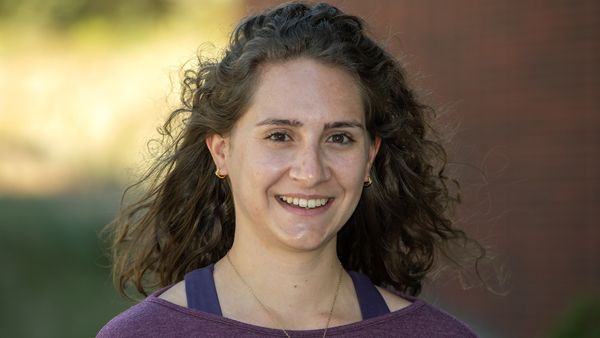
Emma Rovani-Rhoades
DVM, Pathology Resident
Veterinary Clinical Sciences
Educator Development Workshops
January 31 | Attendance: 4
Facilitators

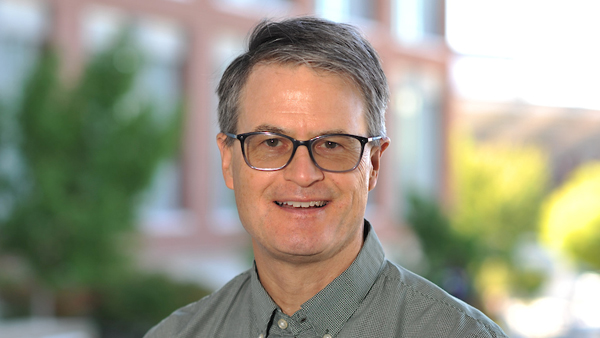
Description
This 4 hour in-person workshop addressed how to effectively present participants’ contributions to teaching and learning in their promotion packets. Participants learned effective guidelines to follow and began applying these in showcasing their own work.
Learning objectives
- Describe the stages, timelines and components of the WSU CVM promotion process
- Access guidelines and resources to begin developing your promotion packet
- Compare and contrast examples, critically reflecting on these to strengthen your portfolio
- Organize your portfolio strategically, managing themes and supporting evidence to effectively tell your professional story
Workshop topics
- CVM guidelines and timelines
- Optimizing Your Dossier and Creating an Educator’s CV – Dr. Philip Mixter
- Framing Your Teaching Portfolio/Reflective Document – Dr. Steve Lampa
- Writing Your Teaching Portfolio/Educator’s Reflective Document and Appendices – Drs. Susan Matthew and Jeffrey Abbott
March 7 | Attendance: 12
Facilitators
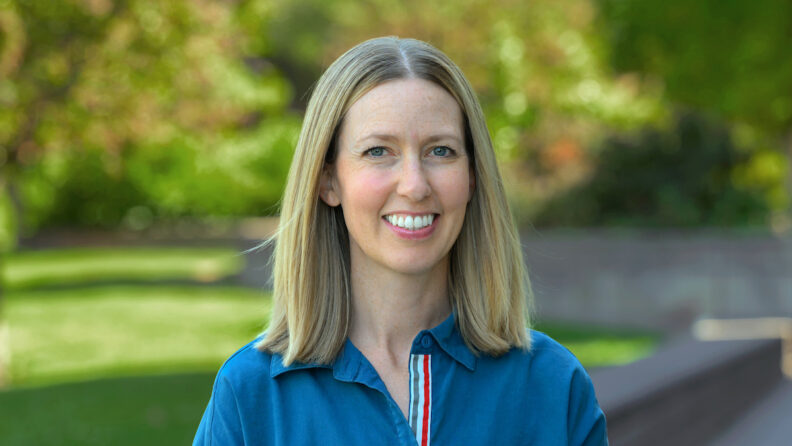
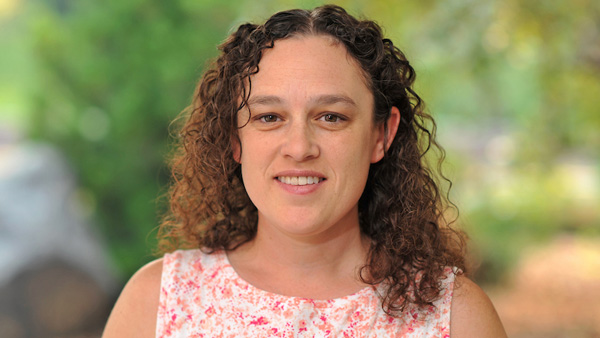
Description
This 3 hour in-person workshop addressed the fundamentals of effective clinical teaching:
- Create active learning in rounds settings
- Maximize case-based clinical teaching and feedback
- Assess progress in clinical learning
Workshop topics
- Creating Active Learning in Rounds settings – Drs. Jillian Haines and Sarah Guess
- Maximize case-based feedback – Dr. Jeffrey Abbott
- Assessing Progress in Clinical Learning – Dr. Lynne Nelson
- Further Resources and Feedback – Dr. Lynne Nelson
March 28 | Attendance: 8 & September 24 | Attendance: 17
Facilitators
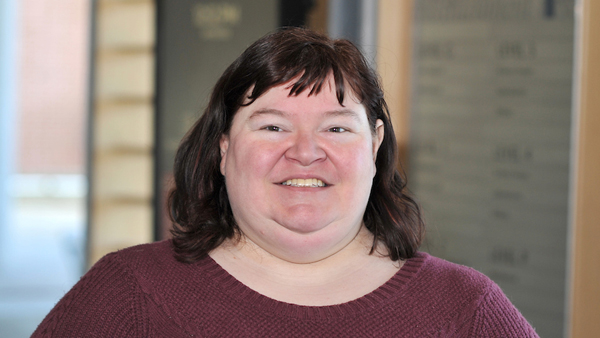
Description
This 4 hour in-person workshop that was offered in both Spring and Fall in 2025 addressed the fundamentals of effective teaching in classrooms and laboratories:
- Write clear learning objectives
- Implement active learning strategies
- Evaluate progress in learning
- Integrate objectives, assessments and teaching activities
Workshop topics
- Beginning with the End in Mind – Dr. Susan Matthew
- Writing Learning Objectives – Drs. Samantha Gizerian and Steve Lampa
- Multiple-Choice Exams as Problem Solving Assessment – Drs. Briedi Gillespie and Lynne Nelson
- Non-MCQ Assessments – Dr. Jeffrey Abbott
- Enhancing Teaching: Active Learning Strategies – Dr. Rachel Halsey
- Further Resources – Drs. Susan Matthew and Lynne Nelson
The purpose of these discussions is to explore and disseminate best practices, so that educators can teach stu-dents more effectively and efficiently in classrooms and clinics. Among these discussions are Semester Semi-nars, Summer Teaching Toolkits, and Learning Communities.
Discussions
The purpose of these discussions is to explore and disseminate best practices, so that educators can teach students more effectively and efficiently in classrooms and clinics. Among these discussions are Semester Seminars & Panel Discussions, Summer Teaching Toolkits, and Learning Communities.
Semester Seminars & Panel Discussions
All sessions were offered in hybrid format (in-person & video conferenced via Zoom.)
- There were 12 Seminars (4 Spring; 8 Fall) and 1 Panel Discussion (Spring).
- Attendance totaled 234; average attendance per session for 2025 = 18 people
Erika Offerdahl
This seminar provided an overview of teaching philosophies and their purpose. Participants began drafting their own philosophy statements and received feedback to support their continued development.
Jeffrey Abbott, Sarah Guess, & Tina Owen
Panelists discussed how the context statement, Educator’s CV, teaching portfolio, and supporting materials work together to present a cohesive narrative of contributions to teaching and educational leadership. Participants learned practical strategies for navigating the promotion process and address-ing common challenges.
Susan Matthew
This seminar guided educators in using CVM Teaching Academy templates de-signed to streamline the documentation of teaching for promotion. Participants learned how to tailor the Educator’s CV, teaching portfolio, and supporting materials templates to align with their assigned roles. They also began using the templates to organize their materials and document their achievements.
Susan Matthew
This session highlighted the three grant programs offered by the CVM Teaching Academy to support members in advancing their teaching and educational scholarship. Participants reviewed funding opportunities for teaching-focused professional development travel, instructional innovation projects, and educational research. The session also included discussion of strategies for leveraging this support and fostering effective collaboration to enhance education within the CVM.
Samantha Gizerian & Steve Lampa
This session explored how AI can streamline the development of clear and effective learning objectives. By the end of the seminar, participants were able to use AI tools to generate specific, measurable learning objectives and evaluate the quality of AI-generated objectives using established educational frameworks.
Jeffrey Abbott & Jillian Haines
This session introduced the CVM Teaching Academy’s two 2025–2026 Learning Communities, Hitting Pause and Beautiful Questions in the Classroom. Facilitators described how Hitting Pause applies intentional pause strategies to clinical teaching and how Beautiful Questions in the Classroom emphasizes purposeful questioning as a means of fostering curiosity. Participants examined how each text connects to everyday teaching prac-tice and supports ongoing professional growth.
Samantha Gizerian & Mara Varvil
This session examined how rubrics can enhance teaching effectiveness. Participants considered how well-designed rubrics enable instructors to work more efficiently while supporting students’ skill and knowledge development. Although open to all instructors, the session was particularly relevant to those teaching in the undergraduate curriculum, where clear and structured rubrics are especially beneficial for novice learners.
Jeffrey Olivarez
This session introduced partici-pants to wabi sabi, a traditional Japanese art form grounded in the acceptance of transience and imperfection. The philosophy emphasizes an appreciation of beauty that is “imperfect, impermanent, and incomplete.” The session encouraged creativity and highlighted the value of imperfection in both art and the classroom, culminating in the creation of participants’ own wabi sabi–inspired works.
Susan Matthew
This seminar highlighted the purpose of an Educator’s CV as a tool for documenting teaching and educational leadership activities, making it especially useful for annual reviews, promotions, and awards. Participants were introduced to the CVM Teaching Academy Educator’s CV template and learned how early use of the template to compile and track activities streamlines future reporting. Faculty were encouraged to adopt the template to support accurate and efficient documentation of their teaching and educational leadership contributions.
Jeremiah Grissett
This session examined frustration as a primary emotion of learning and explored strategies for supporting both students’ learning-related frustrations and instructors’ teaching-related frustrations.
Jessica Bunch & Arno Werners
In this session, presenters examined the rationale and implementation of pass–fail grading. They reviewed the foundational elements of these grading systems and engaged participants in dialogue about their advantages and limitations. The session also addressed competency-based grading, milestone progression throughout the clinical year, and best practices for assigning passing, marginal, or failing grades.
Regional Teaching Academy Guest Fellow—Naomi Nishi (CSU)
This session addressed the increasing number of DVM students who identify as neurodivergent, including those diagnosed and seeking accommodations partway through their programs. The presenter examined how ableism can manifest within educational structures through the normalization of neurotypical ways of learning, which may marginalize or isolate neurodivergent students. The session also explored how neurodivergence may present in learning environments and offered strategies for creating more inclusive teaching practices and educational settings that better support neurodivergent learners.
Samantha Gizerian
This seminar provided an overview of how AI can be effectively and ethically integrated into teaching. Participants examined the spectrum of mindsets from AI-ready to AI-resistant and explored examples of AI tools for course and assignment development. They also discussed approaches for designing authentic assignments that support skill development. The session addressed strategies for helping students critically evaluate AI-generated information using frameworks such as the CRAAP test, the FLUF(F) test, and iSearch.
Teaching Toolkit
In the Summer Teaching Toolkit Series, we explored topics intended to assist participants in build their instructional “toolkit” and provide ideas that could be applied during the school year.
The Teaching Toolkit format
- Faculty, residents, graduate students and instructional staff from the CVM and across WSU are invited to attend these mini-workshops.
- These workshops are intended to be active learning sessions. Participants will be introduced to each topic/idea and then invited to engage, interact, and create products where relevant.
- Ideally, participants will leave each session with one or two lessons they can apply to their teaching.
All sessions were in a hybrid format (in-person & video conferenced via Zoom.) There were 7 discussions.
- 165 total attendance; average attendance = 24
- 69 people in total participated
- 51 were from within the college
- 18 were from outside the college, including 6 from other Regional Teaching Academy member institutions.
Claire Burbick, Iwona Driskell, Jillian Haines, Shana O’Marra, Eric Winzenried
This session introduced concept mapping as a powerful visual tool that helps learners organize and connect ideas to promote deeper understanding. Participants examined what concept mapping is and why it enhances teaching and learning across disciplines. They also explored practical strategies for creating and using concept maps in their own educational settings.
Jeffrey Abbott, Jessica Bunch, & Jeffrey Olivarez
In this low-stakes session, participants explored the connections between learning to paint with watercolors and educating students. The seminar emphasized goal-oriented practice and the use of targeted feed-back, allowing attendees to experience firsthand how these instructional strategies support learning and skill development.
Tasha Bradley, Daniel Haley, Shayna Grogan, & Rebecca Haley
This session examined how learners develop mastery and how educators and staff can either support or unintentionally inhibit that process. The facilitators shared key educational research on skill and knowledge development and offered strategies for maximizing students’ time, attention, and overall learning effectiveness.
Rachel Halsey, John Hinz, Steve Lampa, Matthew Peck, Tania Perez Jimenez, & Catherine Perillo
In this interactive session, participants explored how students’ knowledge organization influences their ability to retain, apply, and transfer learning. Drawing on insights from How Learning Works (Chapter 3), the session examined differences between novice and expert mental models. Participants reflected on their current teaching practices and were introduced to strategies, such as sorting tasks and concept mapping, to help students build more meaningful and structured knowledge networks.
Martina Ederer, Lisa Gloss, Philip Mixter, Erin Pinnell, Chelsea Sykes, & Cassondra Yarlott
This session focused on the use of checklists and exam wrappers to support students’ preparation for assessments. Participants examined how these techniques clarify expectations before an exam and promote reflection on strengths and areas for improvement afterward. Both strategies were emphasized for their role in fostering a growth mindset, which is essential to effective learning.
Stephanie Anderson, Hannah Cohen-Rodriguez, Emily Davies, Jeremiah Grissett, Mary Packer, & Mara Varvil
This session featured an interactive discussion focused on strategies for fostering students’ development as self-directed learning.
Rachel Halsey
This interactive session guided participants through the process of designing clear, well-structured survey items aligned with their research goals. Through real examples, collaborative discussion, and hands-on revision, participants examined common pitfalls, applied best practices, and refined their survey items to enhance data quality and respondent engagement.
The summer program implementation & influences:
The CVM Teaching Academy summer program has been going strong for 13 years. The program has been based on a book/journal club and/or the Summer Teaching Toolkit series. Data collected over the past 13 years is summarized below.
Book/journal club
- 2013: “How Learning Works” by Ambrose, et al.
- 2014: “Teaching Professor” Newsletter archived articles (December 2012 to May 2014)
- 2015: “Make It Stick: The Science of Successful Learning” by Peter C. Brown, Henry Roediger, and Mark McDaniel
- 2016: Selected Journal Articles
- 2022: “Small Teaching: Everyday Lessons in the Science of Learning,” by James Lang
Our Teaching Toolkit Series was implemented across 2017 – 2025. **For 2022 we incorporated BOTH the Teaching Toolkit series and a book club over the summer.
EVENT | Attendance
| Year | # of Events | Attendance |
|---|---|---|
| 2025 | 7 | 165 |
| 2024 | 7 | 117 |
| 2023 | 8 | 131 |
| 2022 | 15 | 135 |
| 2021 | 3 | 21 |
| 2020 | 6 | 133 |
| 2019 | 8 | 139 |
| 2018 | 9 | 136 |
| 2017 | 10 | 220 |
| 2016 | 9 | 110 |
| 2015 | 18 | 101 |
| 2014 | 17 | 130 |
| 2013 | 17 | 181 |
| 2012 | 13 | not recorded |
| Year | from within the College | from outside the College |
|---|---|---|
| 2025 | 51 | 41 |
| 2024 | 18 | 36 |
| 2023 | 38 | 31 |
| 2022 | 21 | 31 |
| 2021 | 10 | 3 |
| 2020 | 48 | 12 |
TOTAL | Summer Attendance
| Sess. | Book/Journal Club 2013-16 | Toolkit Series 2017-2021 | Toolkit | Book | Toolkit | |||||||||
|---|---|---|---|---|---|---|---|---|---|---|---|---|---|---|
| 2013 | 2014 | 2015 | 2016 | 2017 | 2018 | 2019 | 2020 | 2021 | 2022 | 2023 | 2024 | 2025 | ||
| Info | 26 | 27 | 17 | 22 | 21 | 25 | ||||||||
| 1 | 26 | 17 | 11 | 21 | 34 | 19 | 30 | 30 | 7 | 8 | 8 | 19 | 8 | 27 |
| 2 | 21 | 10 | 16 | 11 | 16 | 5 | 19 | 29 | 7 | 25 | 7 | 21 | 15 | 22 |
| 3 | 21 | 10 | 12 | 8 | 33 | 10 | 18 | 21 | 7 | 16 | 7 | 18 | 16 | 21 |
| 4 | 20 | 14 | 11 | 6 | 24 | 9 | 30 | 17 | 12 | 7 | 11 | 9 | 29 | |
| 5 | 24 | 14 | 8 | 6 | 17 | 14 | 8 | 19 | 14 | 8 | 13 | 14 | 23 | |
| 6 | 13 | 17 | 10 | 7 | 18 | 7 | 20 | 17 | 6 | 4 | 21 | 9 | 31 | |
| 7 | 20 | 13 | 9 | 6 | 17 | 15 | 6 | 5 | 16 | 46 | 12 | |||
| 8 | 10 | 8 | 7 | 11 | 25 | 32 | 8 | 4 | 12 | |||||
| 9 | 12 | 15 | 4 | |||||||||||
| Avg | 20 | 14 | 11 | 11 | 23 | 15 | 17 | 22 | 7 | 14 | 6 | 16 | 17 | 24 |
Learning Communities
All sessions were scheduled in a hybrid format (in-person & video conferenced via Zoom.)
- Small group communities: Spring: 6; Fall: 6.
- There were 66 discussions across these commu-nities during the Spring and Fall semesters.
- Attendance totaled 303; average attendance per session for 2025 = 5 people.
2024-2025 Learning Communities
Our Learning Communities for 2024–25 were based on How Learning Works: Eight Research-Based Principles for Smart Teaching by Marsha C. Lovett et al. These Learning Communities aimed to facilitate collaborative, self-directed groups of educators interested in re-freshing and reinforcing inclusive teaching within classroom and clinical settings.
A total of six Learning Communities were formed in 2024 and met approximately every three weeks from September 2024 through May 2025 to discuss, plan, and share lessons learned from applying the eight principles to teaching.
Each Learning Community had the opportunity to adjust the suggest-ed meeting schedule and identify facilitators for their sessions. The six groups included a total of 35 members (Cosmic Crisp = 7, Fuji = 5, Gala = 6, Golden Delicious = 6, Honeycrisp = 5, Red Delicious = 6). A collaborative Microsoft Teams space was created to support communication and resource sharing across all groups.
2025-2026 Learning Communities
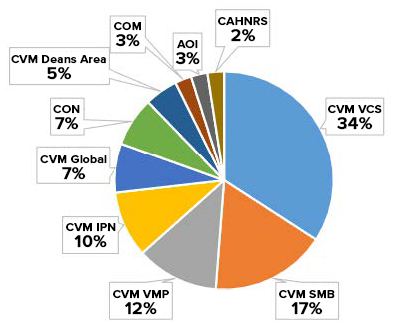
Our Learning Communities for 2025–26 are centered on two books: (1) Beautiful Questions in the Classroom: Transforming Classrooms Into Cultures of Curiosity and Inquiry by Warren Berger and Elise Foster; and (2) Hitting Pause by Gail Taylor Rice. These Learning Communities are designed to support collaborative, self-directed groups of educators interested in enhancing their teaching through intentional “pause” practices and the cultivation of curiosity-driven learning.
Six Learning Communities were formed, three focusing on Hitting Pause and three focusing on Beautiful Questions in the Classroom. Groups met approximately every three weeks beginning in September 2025 to discuss key ideas from the books, apply strategies in their classrooms or clinical settings, and share insights from their experiences. Meetings will continue through May 2026.
Each group adapted the suggested schedule to meet their needs and identified facilitators for their sessions. Across the six communities, a total of 41 members are participating. A shared Microsoft Teams space is being maintained to support collaboration, resource sharing, and ongoing discussion across all groups.
| Learning Communites | # of participants |
|---|---|
| Red Delicious (Beautiful Questions) | 9 |
| Cosmic Crisp (Beautiful Questions) | 7 |
| Gala (Beautiful Questions) | 7 |
| Fuji (Hitting Pause) | 6 |
| Honeycrisp (Hitting Pause) | 6 |
| Sunfire (Hitting Pause) | 6 |
Fall 2025 Attendance
- September A – 32
- September B – 33
- October – 30
- November – 27
- December – 32
2025-2026 Learning Community Members
Peer Observation of Teaching program
Co-leaders
Philip Mixter, PhD and Jeffrey Abbott, DVM, PhD, DACVP
A primary goal of the Teaching Academy Peer Observation of Teaching program is to develop a culture and community characterized by collegial and continuing teaching enhancement across our college. This culture: welcomes collegial peer observations, coaching feedback, and constructive interactions; contextualizes teaching development for individual educators according to their goals; supports experimenting with educational innovations and strategies; and generates community-wide conversations about best practices for teaching.
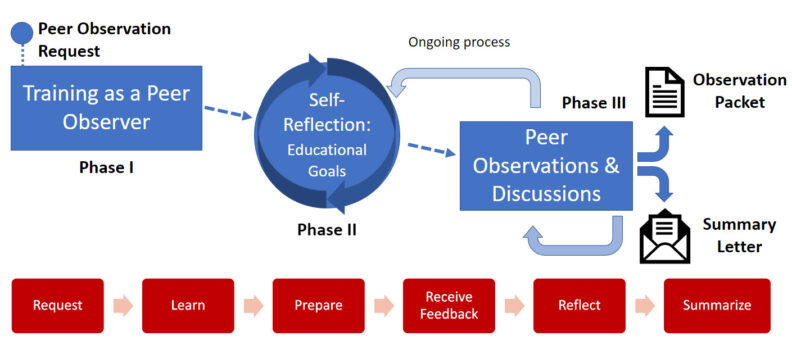
A total of 21 peer observation of teaching series were completed in 2025: 7 in Spring and 14 in Fall. Of these series, 15 were focused on lecture and/or laboratory teaching and 6 were focused on clinical teaching.
*Indicates that the observer also served as a mentor for the new team leader
SPRING | Summary
| Name | Observers | Course/Clinical Rotation |
|---|---|---|
| Briedi Gillespie | Hannah Cohen-Rodriguez (Lead), Susan Matthew*, Korakrit Poonsuk | VM 521 Veterinary Clinical Neuroanatomy/Neurology |
| Jillian Haines | Susan Matthew (Lead), Nicolas Villarino, Cassondra Yarlott | VM 606/613 Small Animal Internal Medicine |
| Babiche Heil | Philip Mixter (Lead), Tasha Bradley, Jeremiah Grissett | VM 571 Theriogenology |
| Jeffrey Olivarez | Jeffrey Abbott (Lead), Babiche Heil, Emily Qualls-Creekmore | VM 570 Agriculture Animal Medicine II |
| Tania Perez Jimenez | Susan Matthew (Lead), Michela Ciccarelli | VM 650 Anesthesia Case Management |
| Erin Pinnell | Jessica Bunch (Lead), Ryan Baumwart Craig McConnel | VM 578 Equine Medicine |
| Emily Qualls-Creekmore | Ramanathan Kasimanickam (Lead), Yoko Ambrosini, Rachel Halsey* | VM 520 Veterinary Physiology II |
FALL | Summary
| Name | Observers | Course/Clinical Rotation |
|---|---|---|
| Yoko Ambrosini | Michela Ciccarelli (Lead), Susan Matthew*, Erin Pinnell | VM 606/613 Small Animal Internal Medicine |
| Jessica Bunch | Susan Matthew (Lead), Jonathan Miller, Hussnain Rashid | VM 553 Small Animal Surgical Diseases and Traumatology |
| Claire Burbick | Jessica Bunch (Lead), Emily Qualls-Creekmore, Salmon Waqas | VM 536 Veterinary Bacteriology |
| Michela Ciccarelli | Lynne Nelson (Lead), Cassondra Yarlott | VM 615.5 Theriogenology |
| Cassidy Cordon | Jessica Bell (Lead), Lais Malavasi, Susan Matthew* | VM 554 Small Animal Surgery and Anesthesia |
| Samantha Gizerian | Susan Matthew (Lead), Claire Burbick, Cassidy Cordon | Neurosci 105 Meet Your Brain |
| Jillian Haines | Jeffrey Olivarez (Lead), Rachel Halsey (Mentor), Tania Perez Jimenez | VM 551 Small Animal Medicine I |
| Natasha Hottmann | Rachel Halsey (Lead), Tasha Bradley, Kimberly McBride | VM 553 Small Animal Surgical Diseases and Traumatology |
| Lais Malavasi | Sarah Guess (Lead), Craig McConnel, Susan Matthew*, Arno Werners | VM 650 Anesthesia Case Management |
| Jeffrey Olivarez | Hannah Cohen-Rodriguez (Lead), Wesley Sheley, Shane Thomas | VM 569 Agriculture Animal Medicine I |
| Korakrit Poonsuk | Jeffrey Abbott (Lead), John Hinz, Robert Mealey | VM 535 Veterinary Virology |
| Shane Thomas | Mara Varvil (Lead), Rachel Halsey, Todd Sabato | MBIOS 360 Cell and Molecular Biology Laboratory |
| Mara Varvil | Martina Ederer (Lead), Samantha Gizerian, Rachel Halsey* | VM 589 Veterinary Clinical Pathology |
| Nicolas Villarino | Jeffrey Abbott (Lead), Natasha Hottmann, Wei Yan | VM 522 Fundamentals of Veterinary Pharmacology |
The Teaching Academy created an asynchronous, interac-tive training module to support faculty serving as Team Leaders in the Peer Observation of Teaching program. Designed to be completed in under 30 minutes, the module guides Team Leaders through their responsibilities, before, during, and after the observation series. This includes practical guidance for facilitating meetings, submitting forms, and completing the summary letter. A downloadable checklist was also developed to support consistency and confidence in fulfilling this role.
Educational Research Grant program
The goals of the Teaching Academy Educational Research Grant (ERG) Intramural program are to: promote educational research in the WSU College of Veterinary Medicine; foster innovation in the college’s DVM, undergraduate, and graduate curricula; and support teaching and learning-focused scholarship by faculty involved in the educational missions of the CVM.
Limited to $5,000 per grant annually, these grants are designed to result in a peer-reviewed manuscript being accepted for publication within 1 year after the grant completion date. An additional $3,000 is available for proposals that feature a substantive collaboration with faculty co-investigators in the WSU Colleges of Education, Medicine, Pharmacy, or Nursing. The awards may be renewable twice, for up to 3 years of total support.
Development of a Hemostasis Learning Module
PI: Dr. Mara S. Varvil (VCS)
Co-PI: Dr. Hannah Cohen-Rodriguez (VCS); Dr. Bonnie Campbell (VCS); Dr. Shana O’Marra (VCS), Dr. Sarah Guess (VCS), Mary Packer (WSU), Oluwafemi Johnson
Background: E-learning modules have been utilized to promote self-directed learning and to engage learners in collaborative learning. Within veterinary medicine interactive online modules have been used as teaching models in a variety of subjects, demonstrating that the student engagement relating to recognizing relevance of information increases with utilization of interactive learning modules. Hemostasis and coagulation are complicated topics in veterinary medicine programs. There are no current reports on the use of an electronic hemostasis learning module in a Doctor of Veterinary Medicine Program to aid in learner understanding.
Purpose: To develop and evaluate the use of a learning module in teaching hemostasis concepts to veterinary learners within the Doctor of Veterinary Medicine program.
Study type: This pilot study employs a within-subjects, paired-sample design.
Methodology: This pilot study evaluates changes in knowledge and learner perceptions following engagement with an interactive hemostasis learning module. Participants will include 42 approximately second-year DVM students enrolled in VM589 (Veterinary Clinical Pathology), each acting as their own control. Their baseline knowledge of hemostasis topics will be evaluated prior to receiving any formal didactic training with a pretest. After receiving standard didactic instruction on hemostasis and washout period, students will complete the pretest again assessing baseline knowledge. After another washout period, participants will then complete the Introduction and Novice sections of the learning module, followed by a posttest and a structured survey. This design enables within-participant comparisons and sub-group analyses based on prior academic performance or behavioral indicators of engagement, such as mod-ule completion or interaction time.
Assessment: The pretests and posttest will consist of instructor-developed multiple-choice and clinical scenario-based items, aligned with the course’s learning objectives and focused on core hemostasis concepts. Both assessments will be administered under course-supervised conditions and will be matched in content scope and cognitive demand.
Students will engage with the Introduction and Novice sections of the interactive module, which includes narrated explanations, case-based reasoning exercis-es, and a glossary of key hemostasis terms and diagnostics. Upon completion of the module, students will complete the posttest and a structured survey within two weeks of the module completion. The survey will include Likert-scale and open-ended items.
December 2025 Update: Summary of progress: The project has been moving forward according to the proposed timeline. The pilot study was conducted on a small subset of the planned module components in order to gather data and feedback before developing the other parts of the module to ensure a student-centered approach and student engagement. While the data from the pilot study are still being analyzed, preliminary results show a statistically significant increase in learning related to hemostasis topics from the starting point (prior to formal hemostasis education in the DVM program) and traditional instruction methods. Additionally, after implementation of the module, learning retention and continued learning are documented. Qualitative feedback shows a positive response to in-module activities and case-based learning within the module and a perceived higher understanding of hemostasis topics.
Deviations from plan: Initially we had planned to include purchased videos discussing hemostasis topics. Ultimately, we found that creating our own animations integrates better with the module as we have designed it, so that funding has not yet been used in that capacity.
Challenges: The pilot study has been conducted as planned; unfortunately, we had significantly less participants (12) than planned (42). This discrepancy was likely due to the timing of the recruitment in conjunction with the heavy courseload for the DVM Year 2 Fall semester. Fortunately, the feedback we received from the participants was positive and helpful in continued development of the module.
- Planned response: In the next phase of this project and study, we plan to avoid asking DVM year 2 learners to participate in the Fall semester. Additionally, we plan to complete the IRB process well in advance of the study, as this process took longer than expected (or estimated on the IRB website) which delayed our recruitment for the study.
The software used to administer the pre/post tests had unexpected limitations in how questions could be asked, which potentially introduced confusion into the testing process. Because of this, between Pre-test 1 and Pre-test 2 some questions were reworded to better fit the format and ensure participant understanding.
- Planned response: For the future study, we are looking into other testing software that will ensure a variety of question types and depth.
Future directions: Present module, study findings, and process in a WSU CVM Teaching Academy seminar on May 1 at 12 pm.
As this pilot study is integral in development of the full module and, ultimately, evaluation of the completed module (planned for Spring 2027), the remainder of the grant period will be spent continuing to develop the other parts of the module, complete data analysis, consideration of dissemination of findings, and prepare for the full study.
- Plan to request funding extension for the 2026-2027 year in order to complete full study. Remaining funds will be used as participant compensation.
Please reach out the the Teaching Academy if you wish to see a timeline of the development of this project. Email contactTA@vetmed.wsu.edu.
Member promotions & awards
Promotion and tenure recognize a faculty member’s existing contributions to WSU and their potential to grow and contribute further. Four members of the Teaching Academy were promoted in 2024.
Conference presentations & meetings
Teaching Academy members disseminated the initiatives, programs, and outcomes of the Teaching Academy through conference presentations and meetings during the year. This gives others the chance to learn from what we are doing in the Teaching Academy and choose what they would like to implement to elevate teaching practices in their own college.
| Member | Date | Presentation |
|---|---|---|
| Susan Matthew | April 11, 2025 | Documenting Teaching Quality and Impact For Career Advancement Decisions, Podium presentation at the American Association of Veterinary Medical Colleges Annual Conference and Iverson Bell Symposium, Washington, DC (80 participants) |
| CVM Teaching Acadent | Hosted the Regional Teaching Academy Summer Conference |
Members & Affiliates
94 members
- Susan Matthew (Director), PhD, BVSc, BSc(Vet)(Hons)
- Jeffrey Abbott, DVM, PhD, DACVP
- Yoko Ambrosini, DVM, MPVM, PhD, DACVIM (SAIM)
- Suzanne Appleyard, PhD
- Ryan Baumwart, DVM, DACVIM (Cardiology)
- Jessica Bell, DVM
- Alasdair Botting, BVSc
- Lexi Botting, DVM
- Tasha Bradley, BVetMedSci, BVM, BVS
- Jessica Bunch, DVM
- Bonnie Campbell, DVM, PhD, DACVS
- Julie Cary, DVM, MS, DACVS
- Michela Ciccarelli, DVM, PhD
- Riley Claude, DVM
- Hannah Cohen-Rodriguez, DVM
- Cassidy Cordon, DVM
- Bettina Darveshi, BVMS, MS
- William Davis, PhD
- Emily Davies, MSN, BSN
- Tryssa de Ruyter
- Sandra Diaz Yucupicio, MVZ, DACVIM (LA)
- Iwona Driskell, PhD, MS
- Martina Ederer, PhD
- Andreas Eleftheriou, DVM, MS, PhD, MPH, DACVPM
- Kelly Farnsworth, MSDVM, DACVS
- Raelynn Farnsworth, DVM
- Suzanne Fricke, DVM, PhD
- Briedi Gillespie, PhD
- Samantha Gizerian, PhD
- Lisa Gloss, PhD
- Jeremiah Grissett, PhD
- Sarah Guess, DVM, MS, DACVIM (SAIM)
- Christine Haake, DVM
- Jillian Haines, DVM, MS, DACVIM (Int. Med)
- Rachel Halsey, DVM, GradCert (EdRes)
- Cynthia Haseltine, PhD, MS
- Christine Hayes, BSN, MN
- Babiche Heil, DVM, MS, Dipl. ACT
- Amy Heile
- John Hinz, PhD
- Natasha Hottmann, DVM, MS, DACVIM (SA)
- Heiko Jansen, PhD
- Ramanathan Kasimanickam, DVM, DACT
- Karen Kline, DVM, DACVIM (Neurology)
- Steve Lampa, PhD
- Mary Sanchez Lanier, PhD
- Rocky Lucas, MSW, QCSW, LICSW
- Alyssa Maine, MS
- Christopher Mandella
- Jonathan Manwaring
- Martin Maquivar, PhD
- Alyssa Marre, DVM
- Linda Martin, DVM, MS, DACVECC
- Matthew Mason, DVM
- Craig McConnel, DVM
- Robert Mealey, DVM, PhD, DACVIM
- Jonathan Miller, DVM, PhD
- Philip Mixter, PhD
- Reda Mohamed, BSc, PhD
- Benjamin Moreledge-Hampton, PhD
- Lynne Nelson, DVM, MS, DACVIM (Internal Medicine, Cardiology)
- Erika Offerdahl, PhD
- Shana O’Marra, DVM, DACVECC
- Jeffrey Olivarez, DVM, MS
- Mary Packer
- Matthew Peck, PhD
- Tania Perez Jimenez, DVM, MS, PhD, DACVAA
- Erin Pinnell, DVM, MS, DACVIM
- Korakrit Poonsuk, DVM, PhD, DACVM
- Emily Qualls-Creekmore, PhD
- Hussnain Rashid, DVM
- Andrea Rediske, PhD
- Lela Remington, DVM
- Emma Rovani-Rhoades, DVM
- Todd Sabato, PhD, CHES
- Jennifer Sexton, DVM
- Dana Shaw, PhD
- Wesley Sheley, DVM,, PhD, DACVP
- Leslie Sprunger, DVM, PhD
- Chelsea Sykes, DVM
- Bertrand Tanner, PhD
- Kyle Taylor, DVM, PhD, DACVP
- Rubia Tomacheuski, DVM, PhD
- Mara Varvil, DVM, MSc, DACVP (Clinical)
- Jenna Waltzek, DVM
- Thomas Waltzek, DVM, PhD
- Jane Wardrop, DVM, MS, DACVP
- Jennifer Watts, PhD
- Arno Werners, MEd, DVM, PhD, DECVPT
- John Wenz, DVM, MS
- Laura White, DVM
- Laura Williams, DVM, PhD
- Eric Winzenried
- Cassondra Yarlott
Regional Teaching Academy
The Regional Teaching Academy (RTA) was established in 2012 to identify, share, and leverage expertise across the seven institutions in the Consortium of West Region Colleges of Veterinary Medicine. The RTA supports the development and implementation of best practices and scholarship in veterinary medical education. Fellowship of the Consortium Teaching Academy is by nomination, and is a recognition of commitment to and excellence in teaching-related activities. Fellows are expected to be actively engaged in the mission of the RTA, which is to serve as a working group for the benefit of educators at all of the Consortium member institutions.
WSU committee members: Jessica Bunch, Raelynn Farnsworth, Samantha Gizerian, Briedi Gillespie, Sarah Guess, Susan Matthew, Tania Perez Jimenez, Matthew Peck, Erin Pinnell
The group comprises the subcommittees below.
VETS Fundamentals: The group took a hiatus at the 2025 RTA Biennial Conference to allow other initiatives to present pre-conference workshops. The team plans to present a 1-day workshop at Western University in Pomona, CA, leading up to the 2026 RTA Winter meeting.
VETS Selectives: An online Team Based Learning program was offered by the University of Arizona. While a second iteration of the educational research workshop program was planned as a pre-conference workshop for the Biennial Conference, this program was cancelled due to unexpected budget reductions.
Clinical Teaching: The group paused formal activities in 2025 due to leadership transi-tions. While no workshops or new initiatives were launched this year, the committee remains committed to enhancing clinical teaching across RTA institutions. Reestablishing leadership and clarifying next steps will be a priority moving forward to ensure continued collaboration and support for clinician educators.
Student Assessment: Following the Winter Meeting, the Student Assessment subcommit-tee finalized a survey based on participant feedback, obtained IRB approval, and distributed the survey to all RTA member institutions. At the RTA Biennial Conference, the subcommittee facilitated a collaborative workshop to gather input on current assessment practices, areas of interest, perceived challenges, and potential solutions. Throughout the fall, the group met regularly to review key takeaways from the conference workshop data and to begin identifying priorities for future work. As 2025 concludes, the survey has been closed and initial themes from both the survey and conference data have been reviewed. During the 2026 winter meetings, the subcommittee will conduct a first-pass qualitative analysis of the survey data to inform next steps, with the goal of developing targeted guidance, resources, and initiatives to support RTA Fellows and member institutions. Time manage-ment has already emerged as a key area for further exploration.
Educator Wellbeing: The Educator Well-being initiative continued working on the results of the educator well-being initiative from 2022. The results from the Maslach Burnout Inventory, Professional Quality of Life, and Areas of Work Life surveys were presented at the VetEd symposium in summer 2024. The initiative is working on designing and implementing a happiness challenge in Spring 2026, as well as working with the VETS: Clinical Teaching initiative on a collaborative project to promote well-being in the clinical arena.
WSU committee members: Jeffrey Abbott, Jessica Bell, Jessica Bunch, Philip Mixter, Sarah Guess, Steve Lampa, Susan Matthew
The group continued to increase its capacity for rigorous external peer review of teaching-focused promotion materials. Seven packets were reviewed in 2025 using the updated review rubric and examples developed at the 2025 Winter Meeting. The year ended with 20 EPRT members and up to 24 external reviewers prepared to contribute. The 2026 Winter Meeting will focus on evaluating and enhancing the rubric, examples and summary letter template for ongoing use.
WSU committee members: Jeffrey Abbott, Briedi Gilles-pie, Sarah Guess, Tania Perez Jimenez, Mara Varvil
Launched in late 2023 and formally approved as a permanent RTA initiative in September 2025, the group has grown to 51 Fellows across all eight member institutions. In 2025, the group advanced a shared vision for curricular collaboration, supporting exchange of instructional materials ranging from full modules to high-value teaching resources. Shared materials have already supported faculty promotion efforts at multiple institutions. A well-attended workshop at the 2025 Biennial Meeting highlighted progress and future directions. With unified support from all eight deans, the Initiative is actively pursuing external funding to develop a robust shared library with regional and national impact.
WSU committee member: Jillian Haines
The teaching effort calculator created from this initiative is currently available for download by any RTA institution. This tool quantifies time dedicated toward teaching including teaching quality metrics. Our 2026 goals entail the creation of focus groups to validate the instrument in a diverse population of faculty with variable teaching efforts. Once validation is complete, we plan to publish our findings in the Journal of Veterinary Medical Education.
WSU Committee Members: Samantha Gizerian
The Fellows Committee continued the year-round application process, with an October 1 annual review deadline. In Fall 2025, the committee reviewed submitted applications and approved 10 new Fellows from 5 institutions; there were no renewal applications this cycle. The committee also identified seven Fellows with limited participation and initiated outreach, with follow-up planned for Spring 2026. The committee revised its Standard Operating Procedures (SOP), currently under review, and began developing processes for Emeriti Fellow status as approved by the Steering Committee. Additional priorities include clarifying Co-Chair terms, institutional representative procedures, and refining the fellowship application process, including the Educator’s Curriculum Vitae.
WSU Committee Members: Jillian Haines, Sarah Guess, Rachel Halsey
The 7th Biennial Conference, “Empowering Educators to Navigate Challenges and Foster Success,” drew 60 participants. Post-conference survey results will be reviewed by the planning team to guide future development. Immediate debrief feedback highlighted a high-quality, engaging, and collegial experience, with keynote workshops especially praised for being interactive, application-focused, and delivered by inspiring speakers. Program structure and timing remain areas for refinement, along with developing a formal SOP and planning timeline for BMPC members. Innovation sessions received consistently positive feedback, while scholarship sessions may benefit from clearer guidance to ensure appropriate focus on data, methods, and results within time limits. The new Passport Kickoff activity successfully promoted networking, and the inclusion of the RTA awards in the conference program was widely applauded.
WSU Committee Members: Samantha Gizerian & Susan Matthew (Chair)
A highlight of the year was awarding third annual RTA Awards that recognize excellence in Educational Innovation, Educational Service, and Educational Scholarship. The committee resolved budget shortfalls by pausing training and grant programs directed towards educational scholarship, while increasing support and oversight for developing the new RTA website. The committee expanded its leadership roles to include a Past Chair to ensure continuity in leading the committee’s activities.